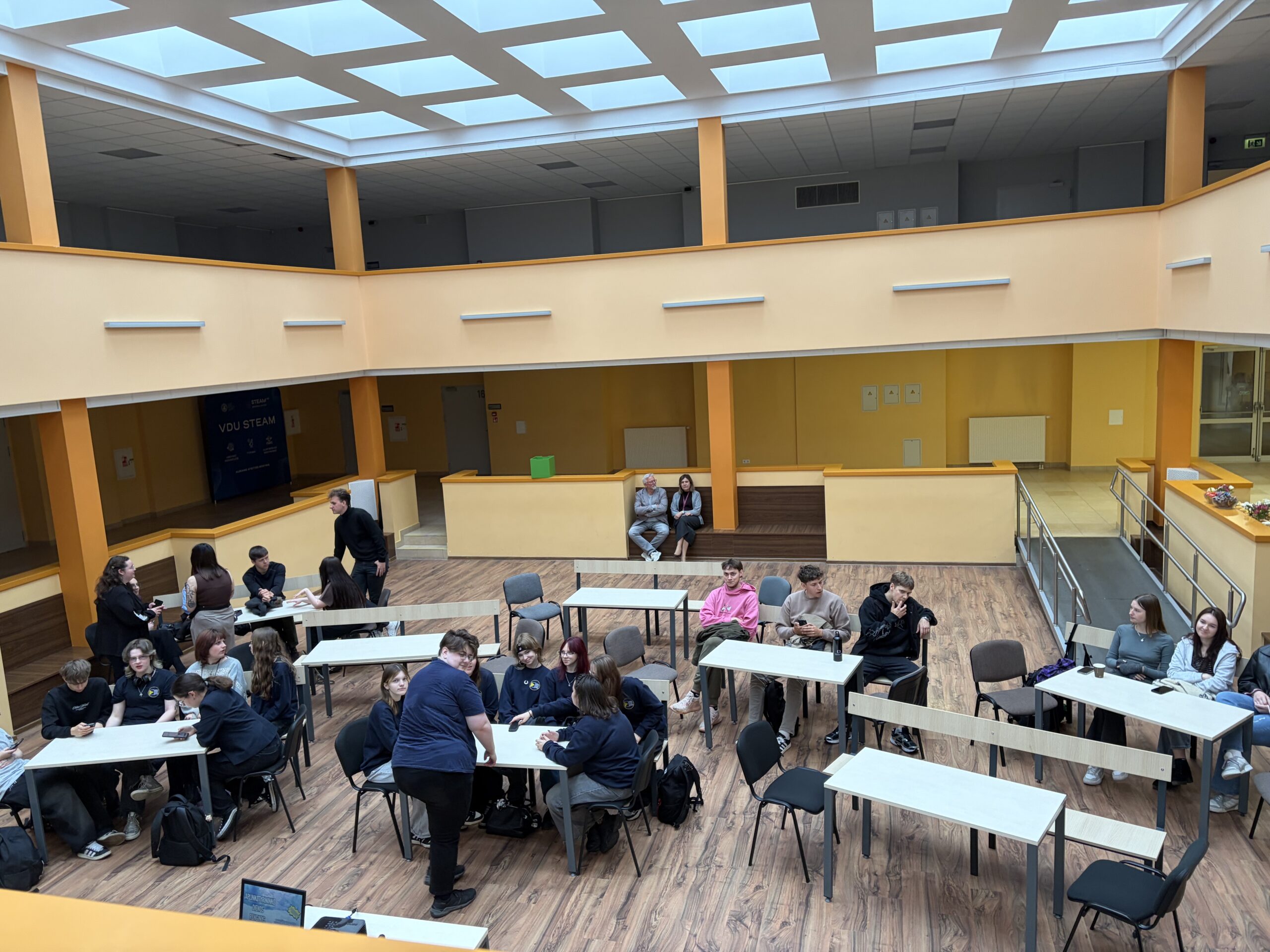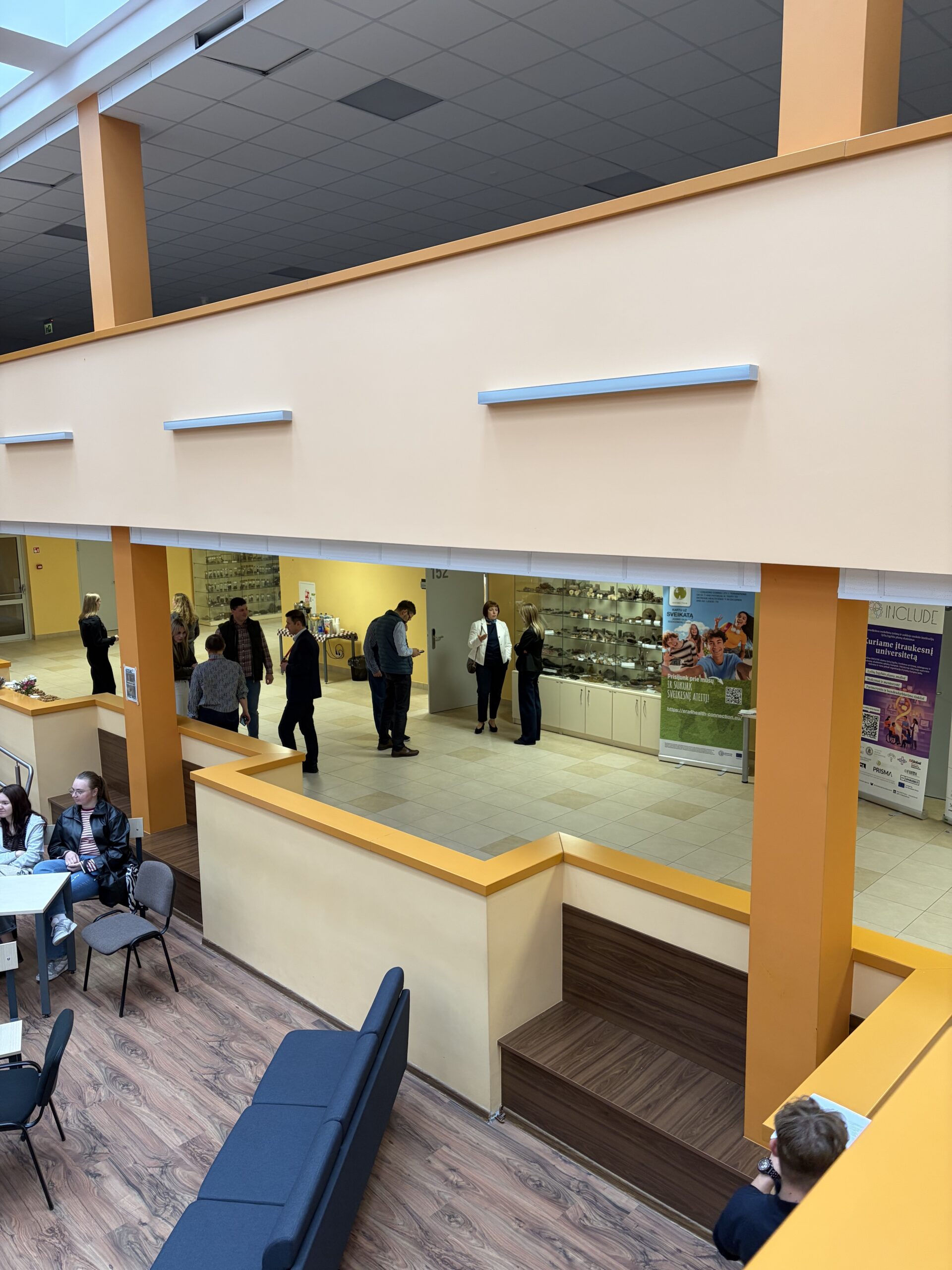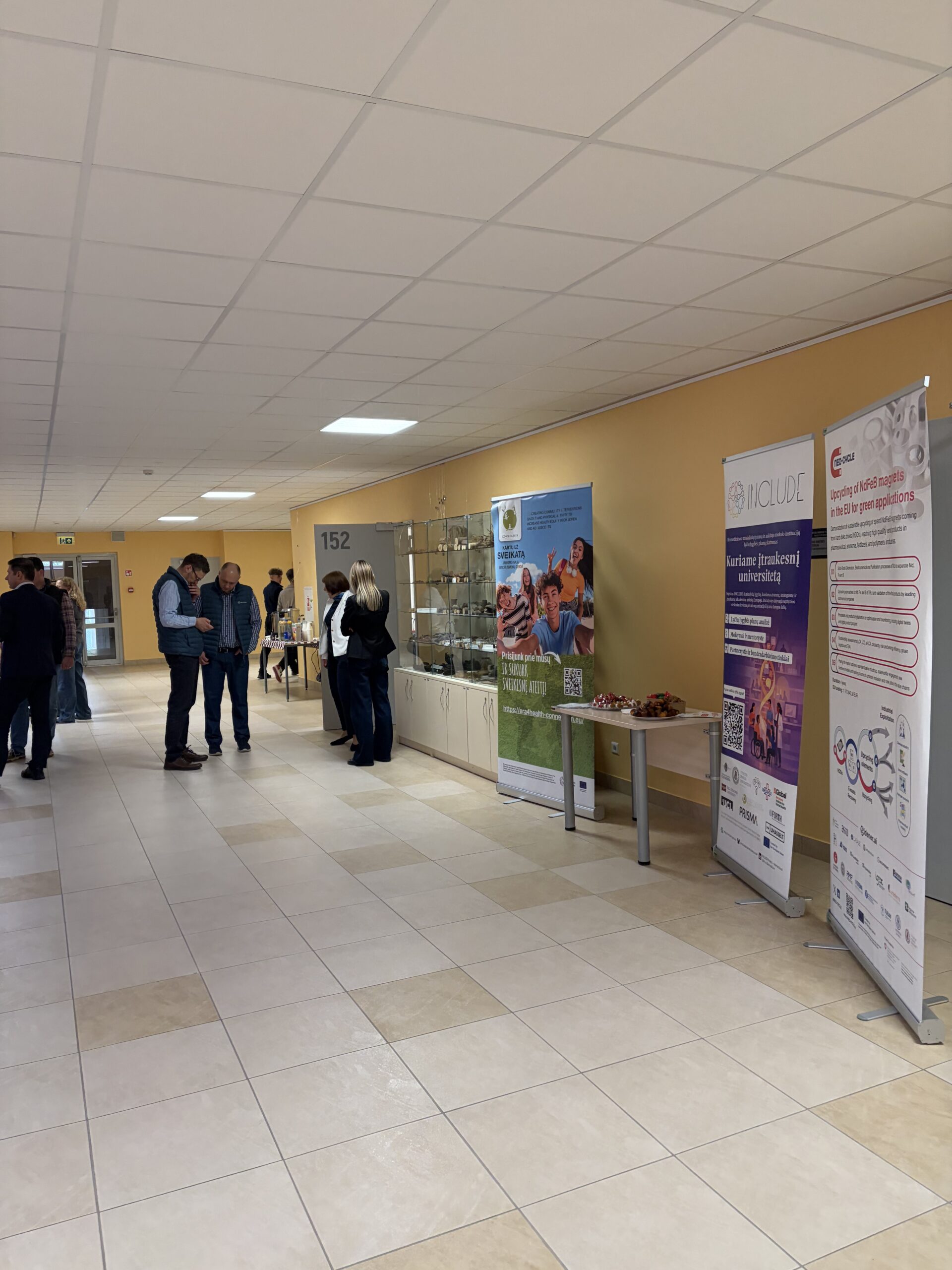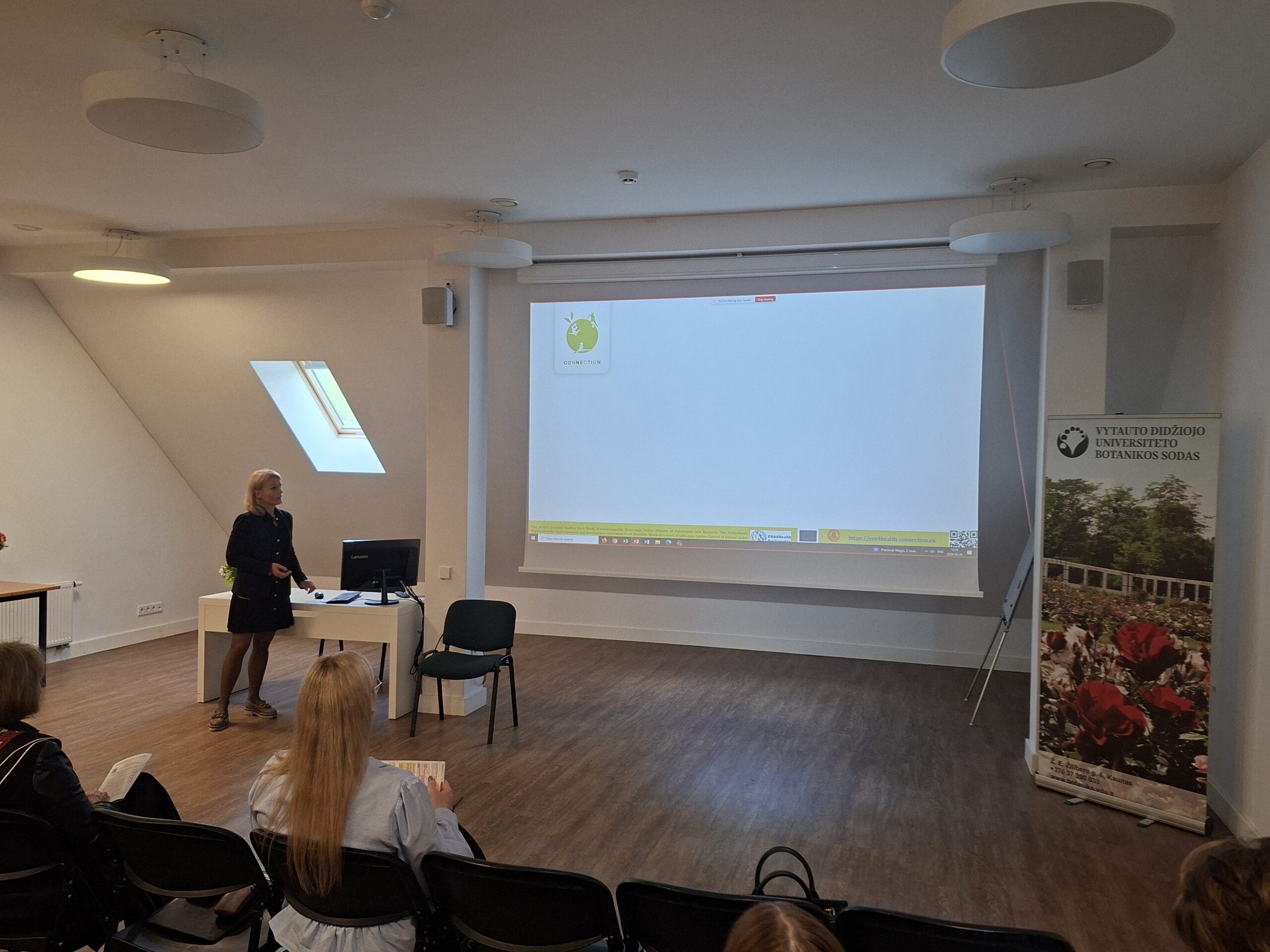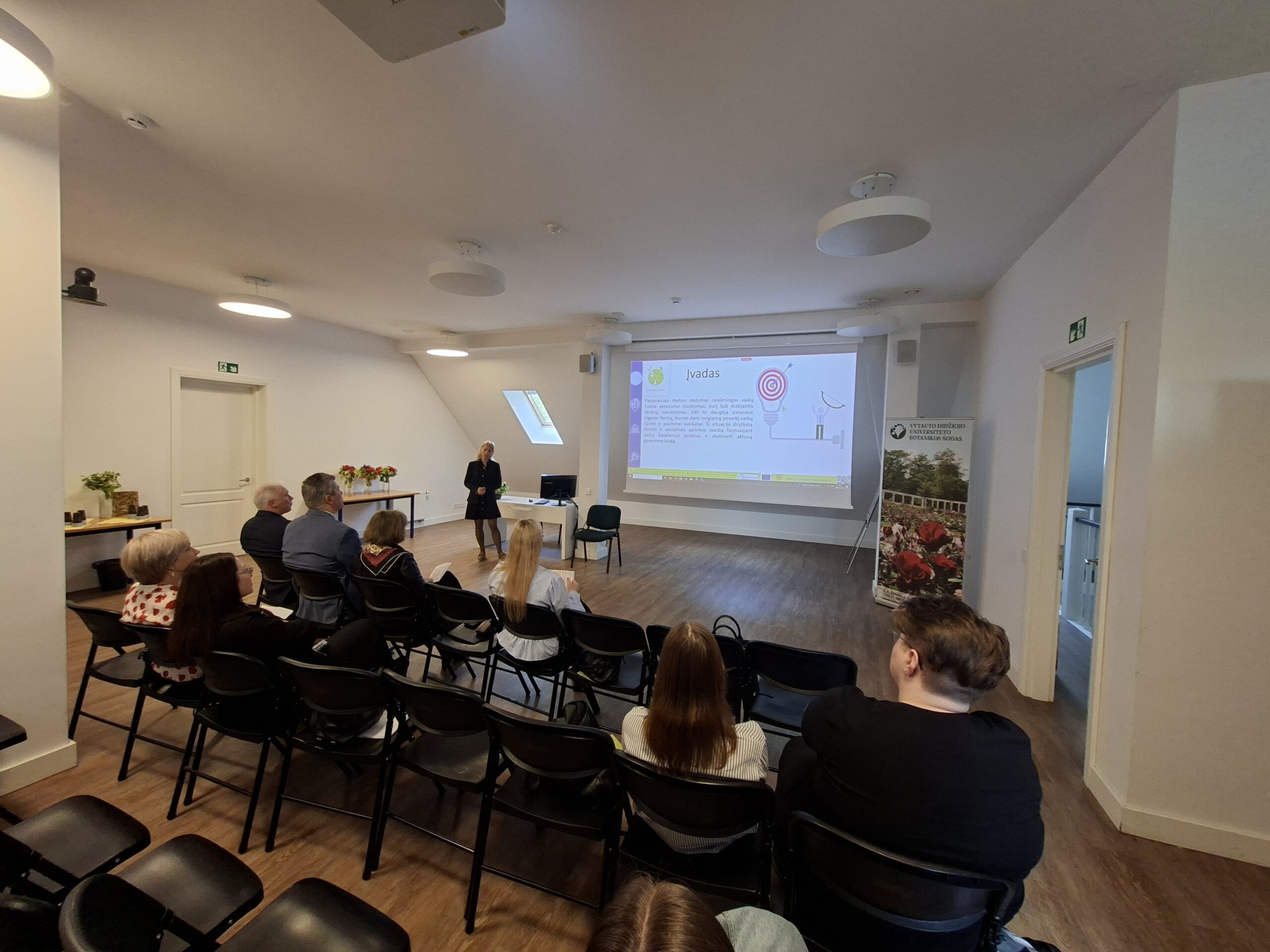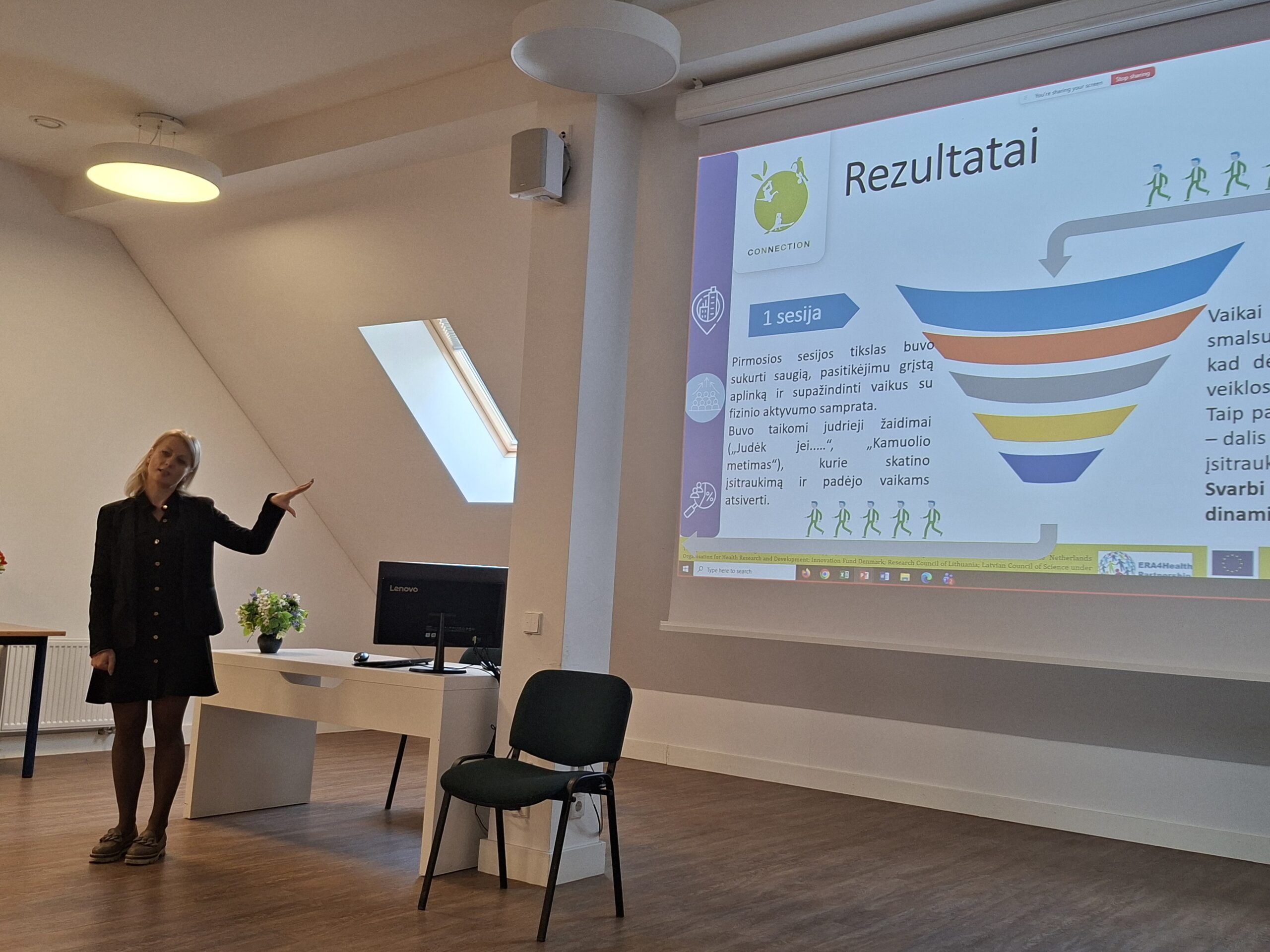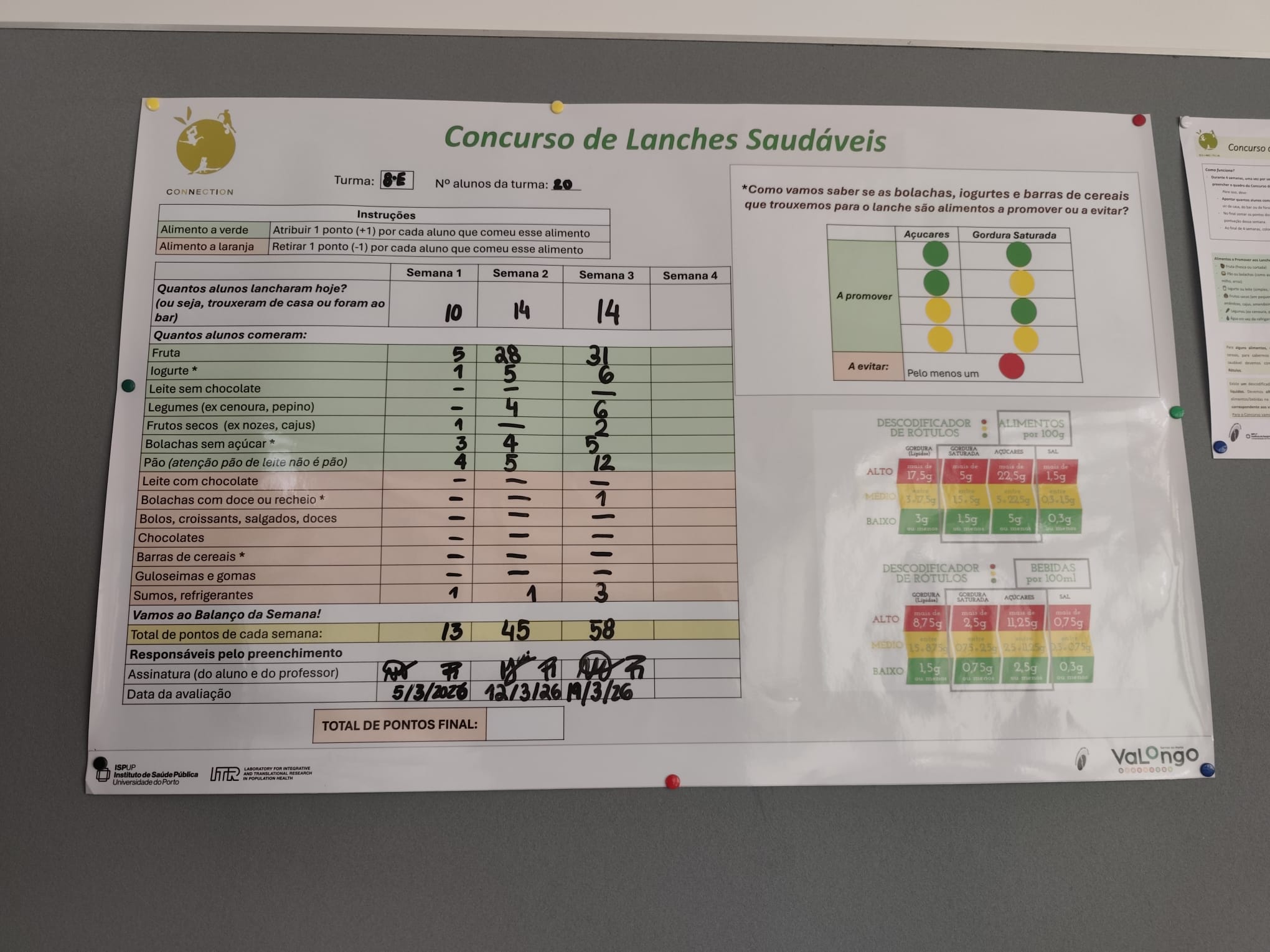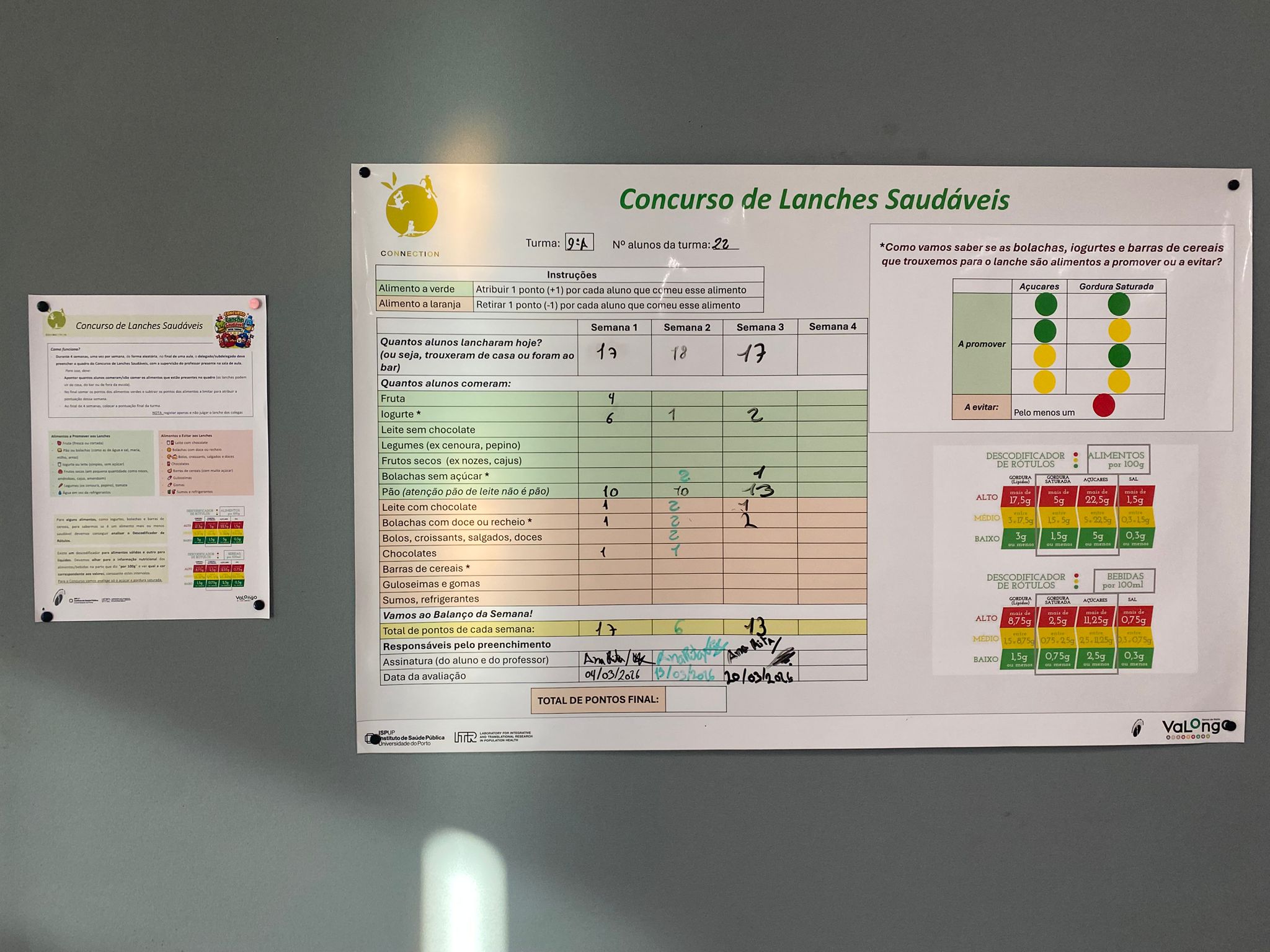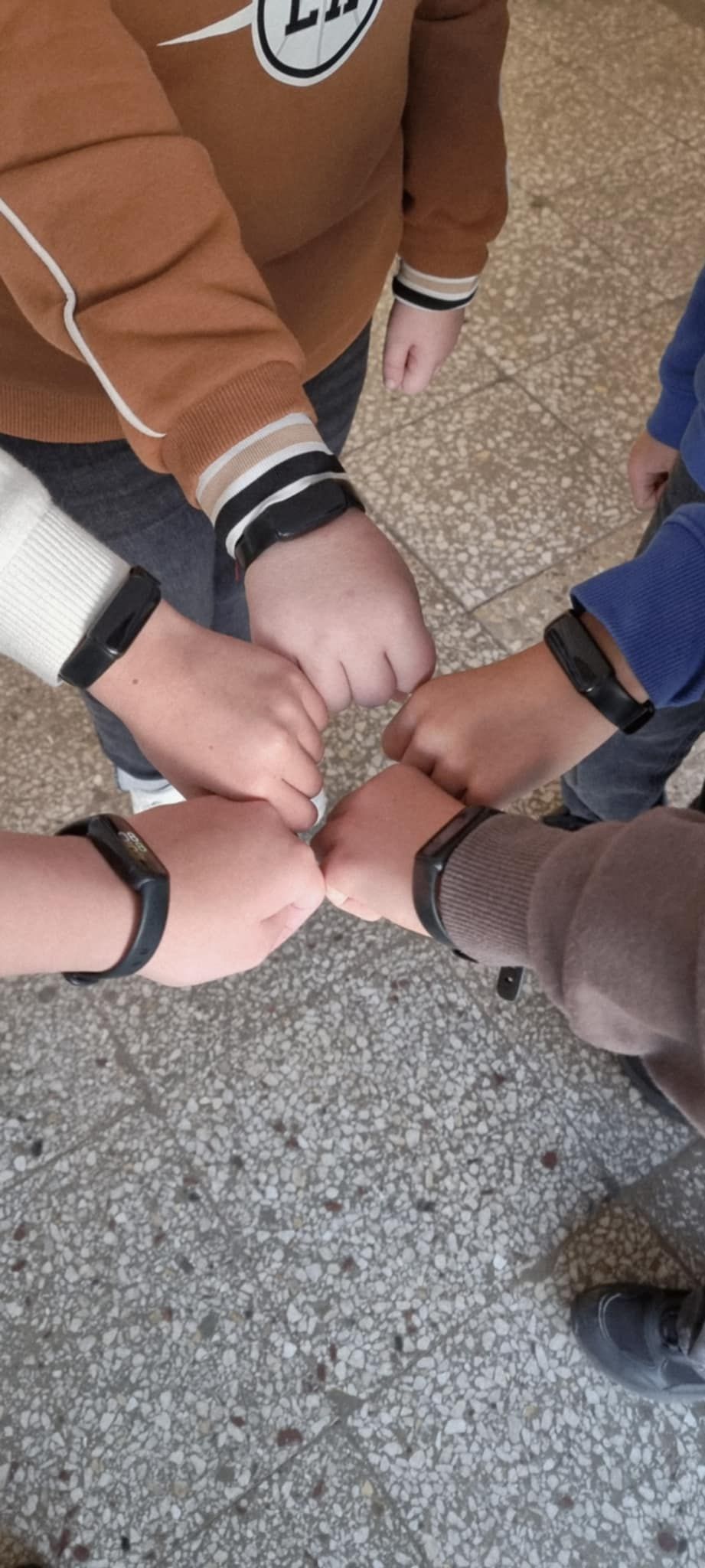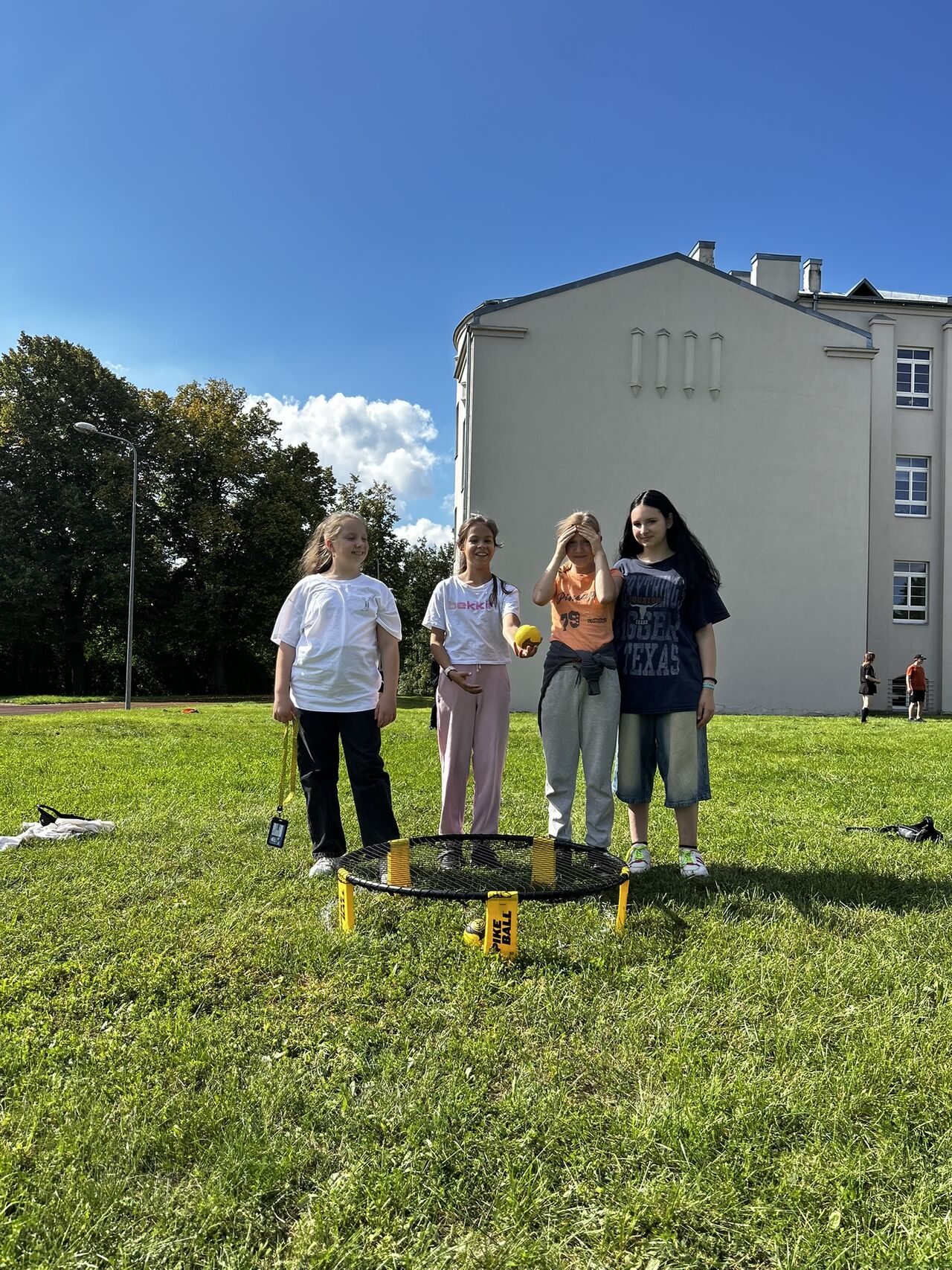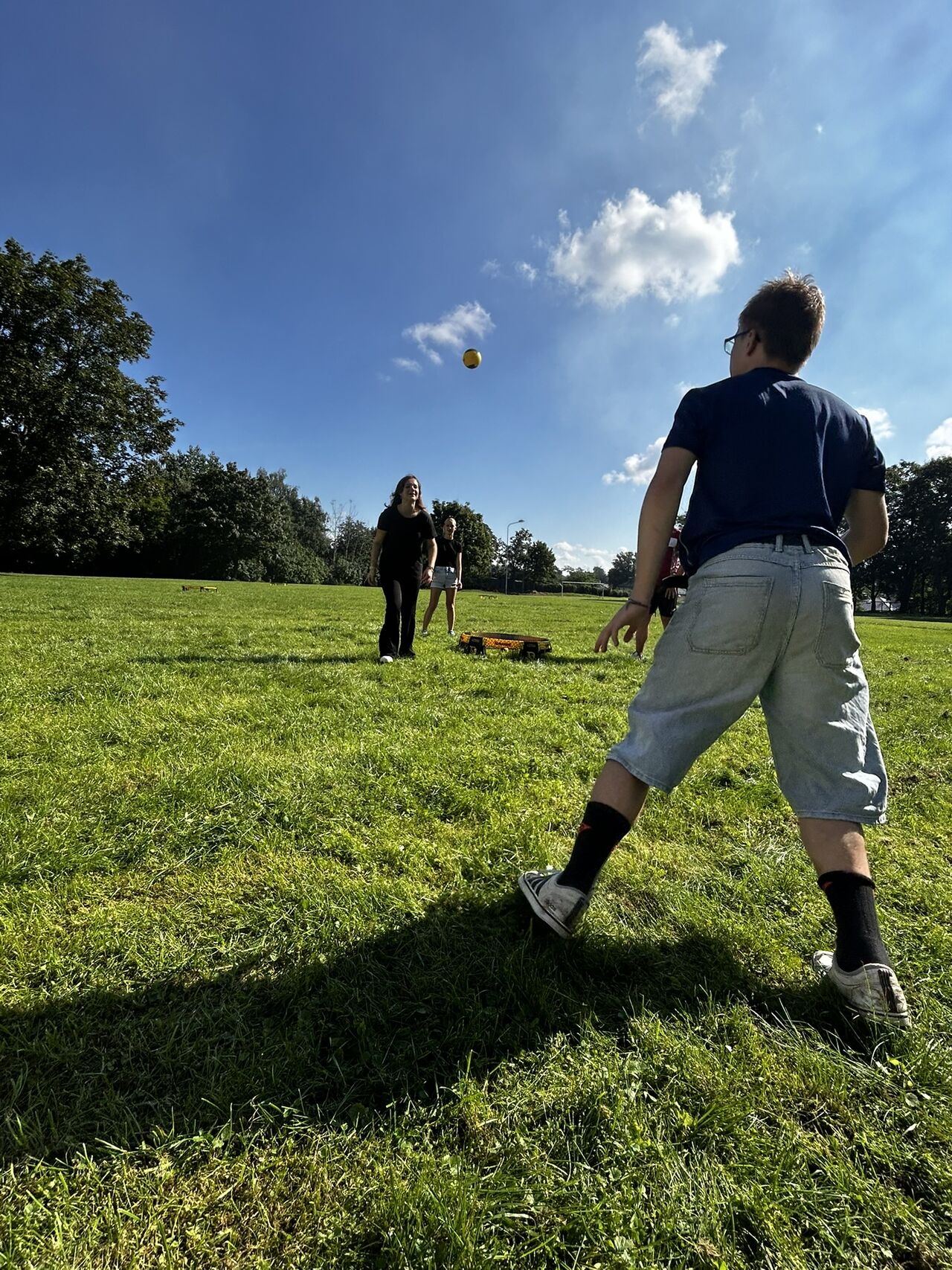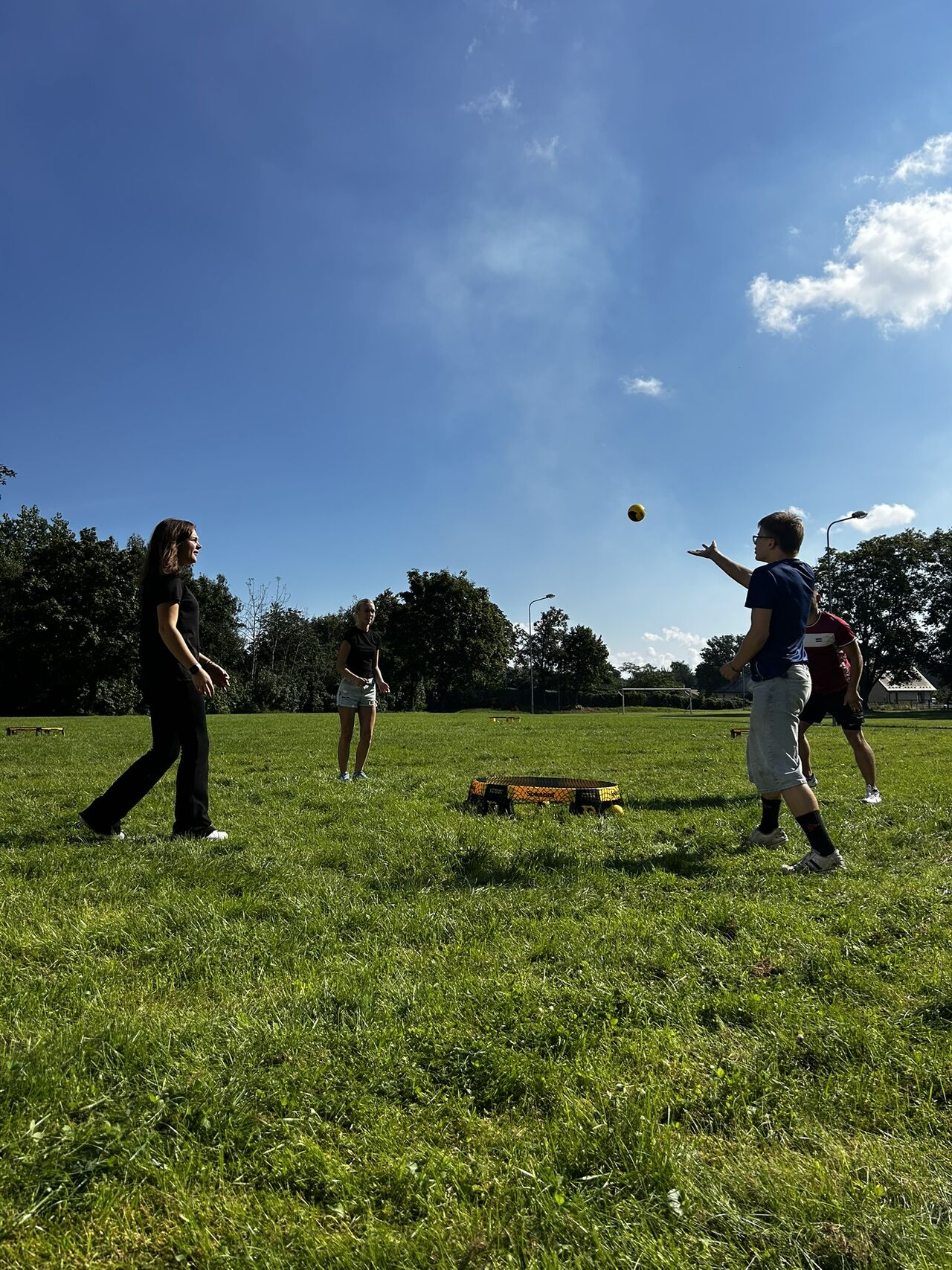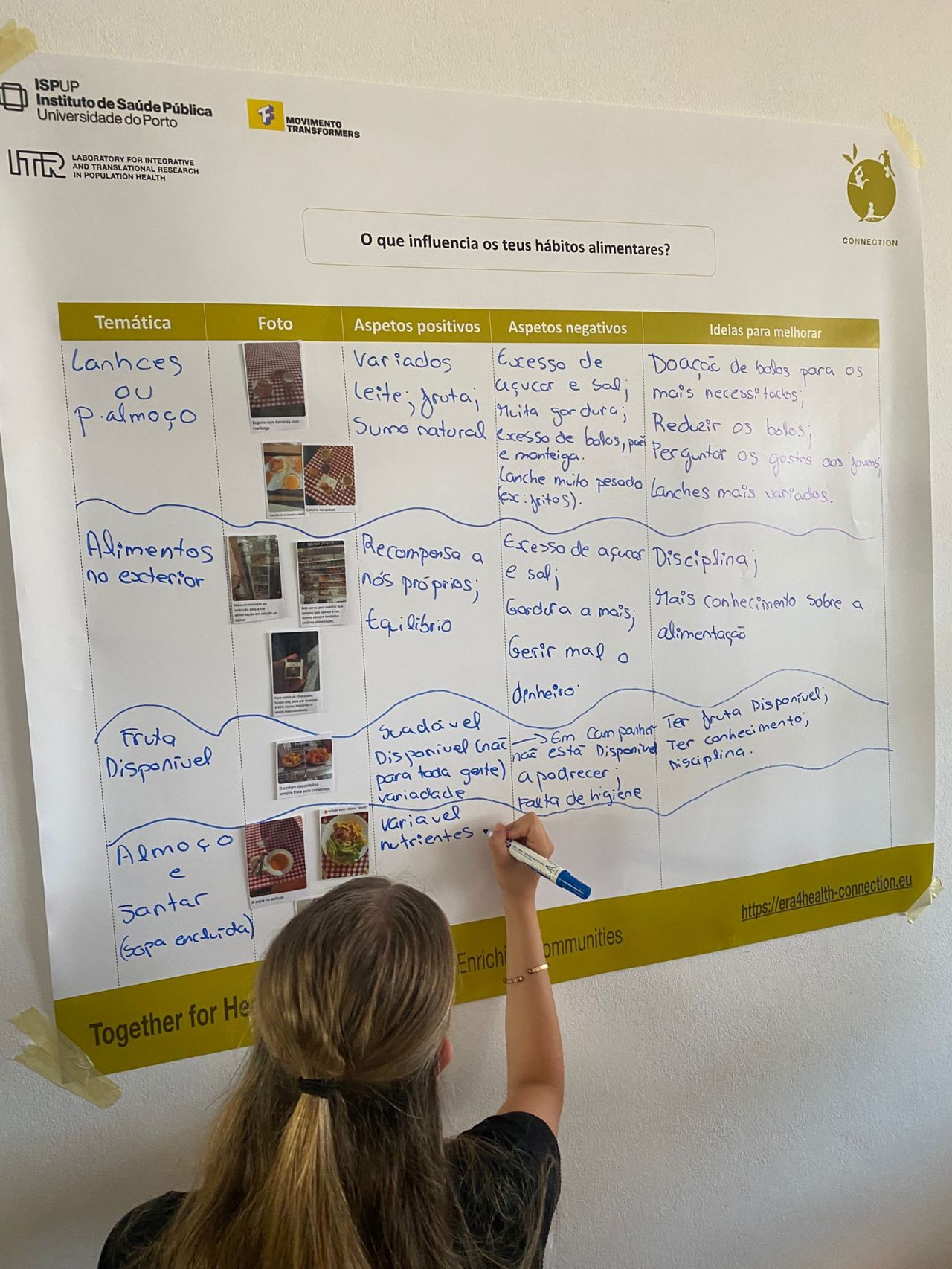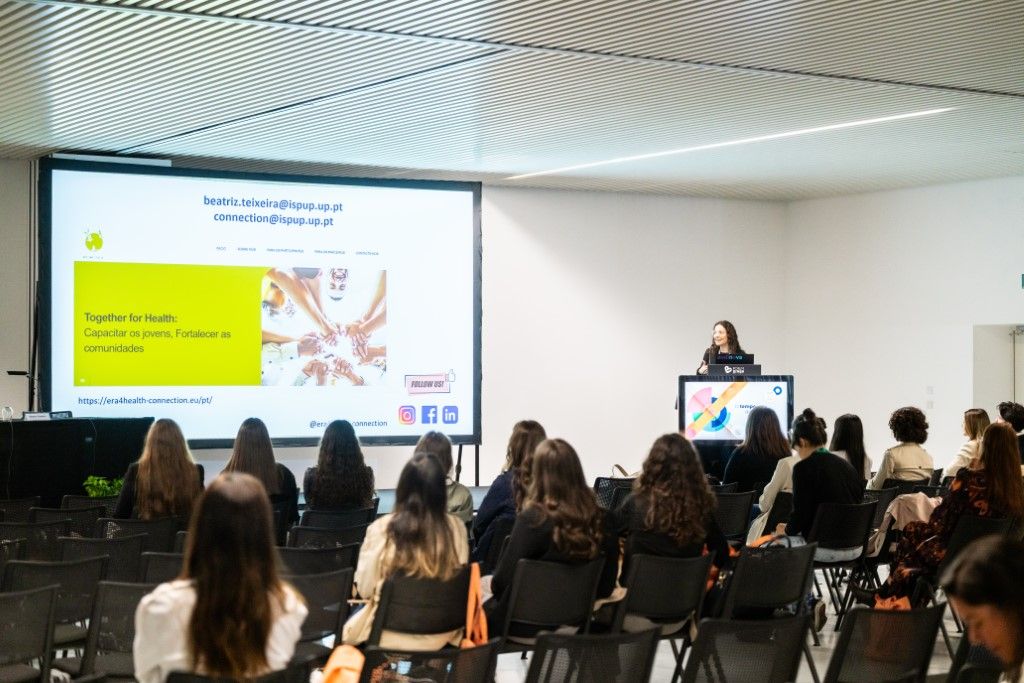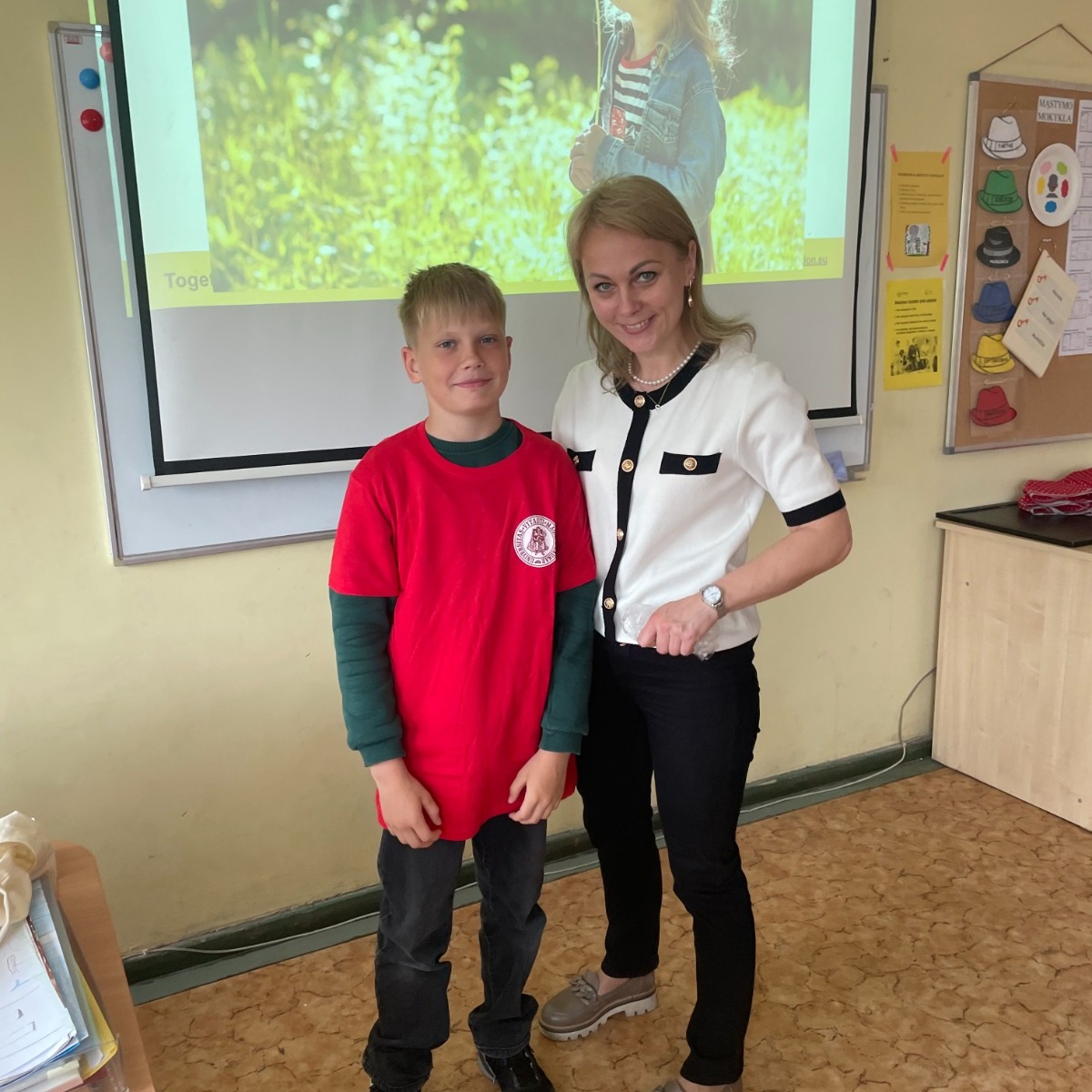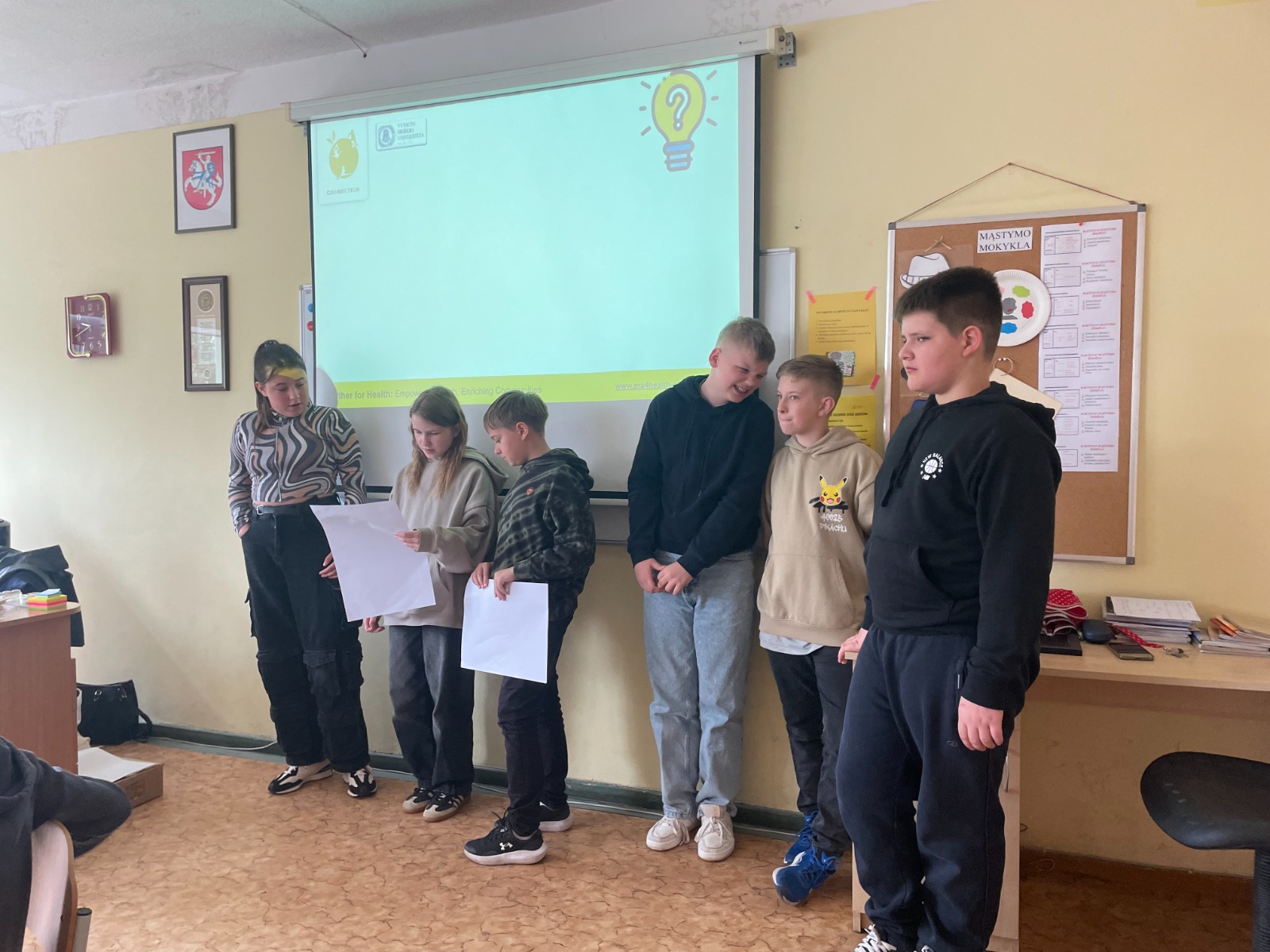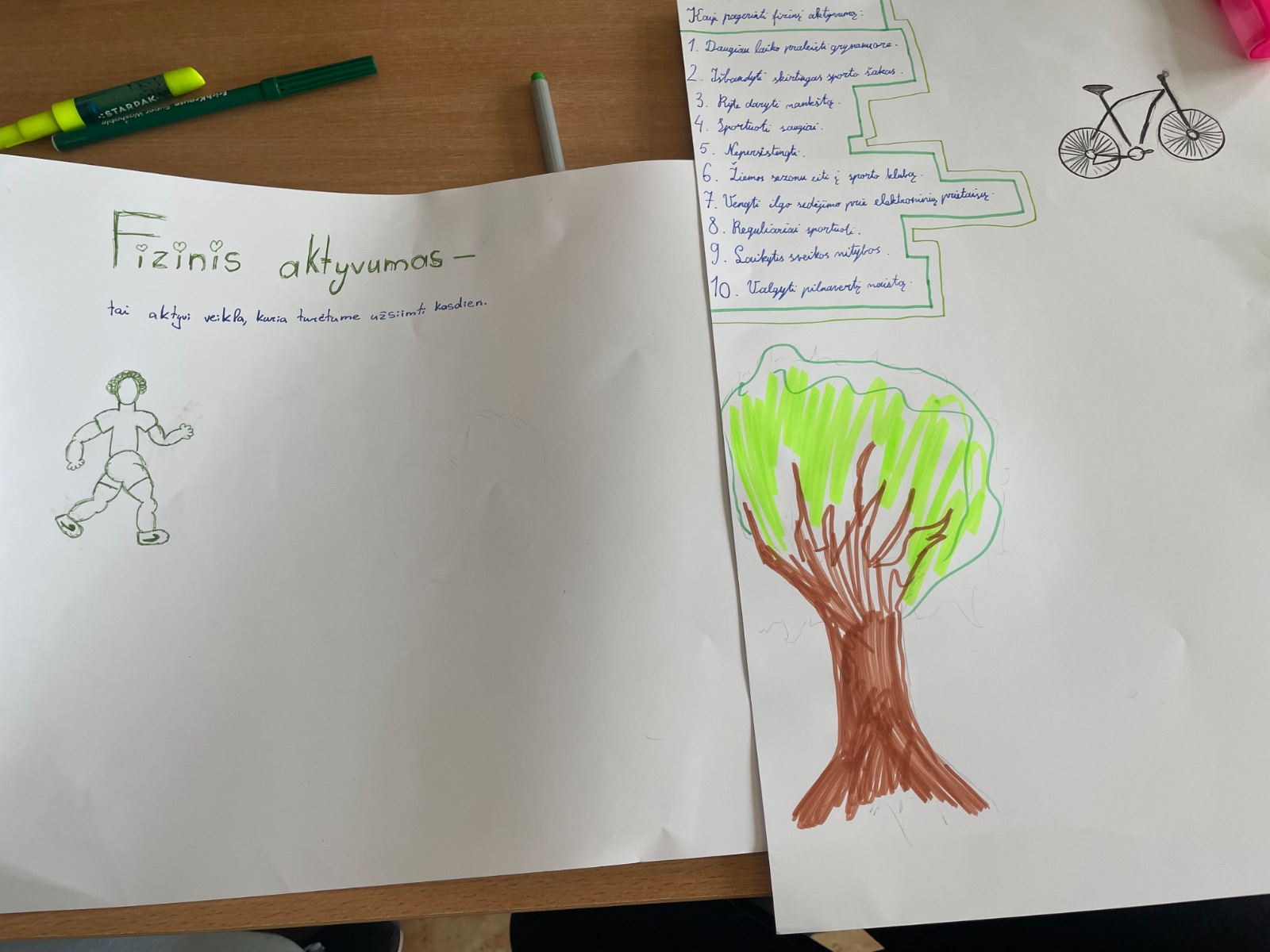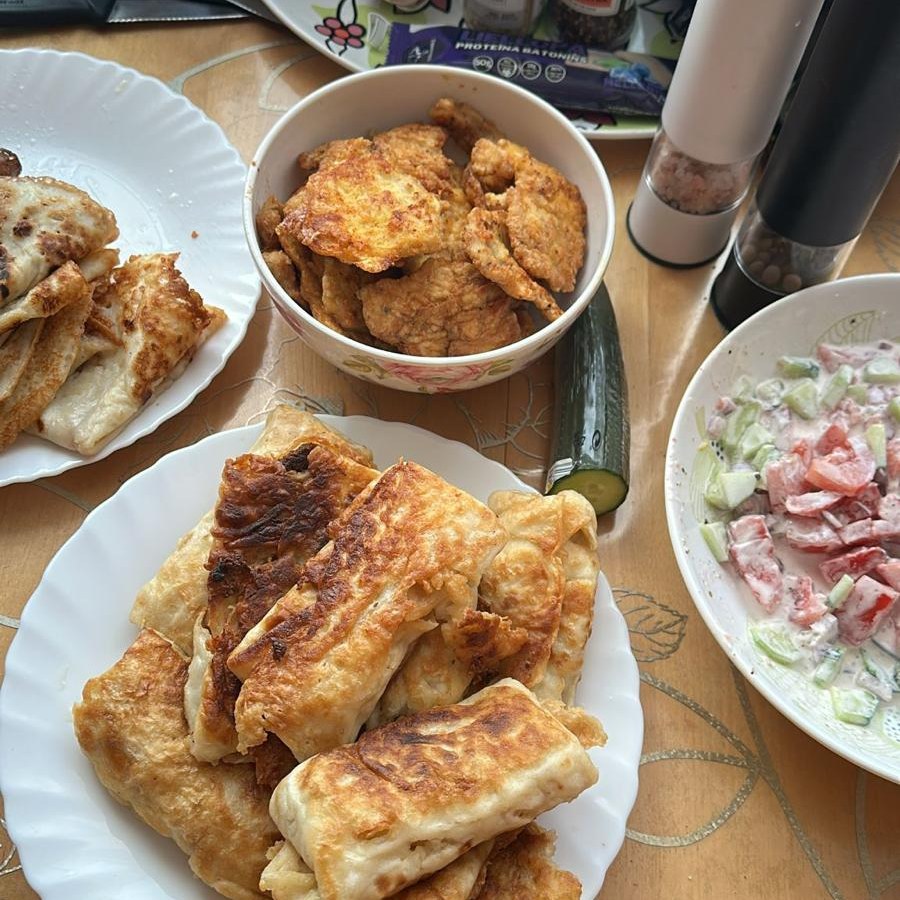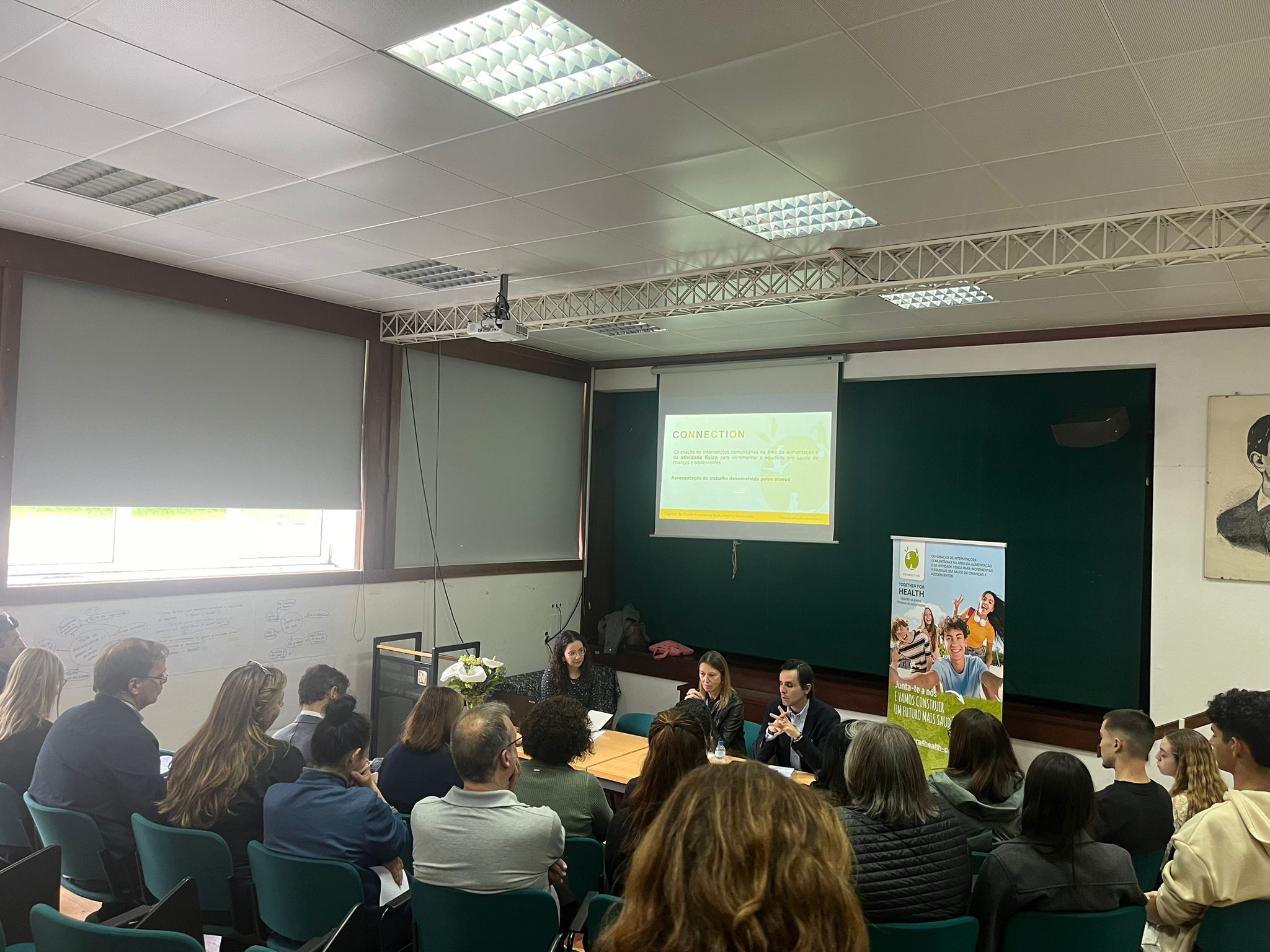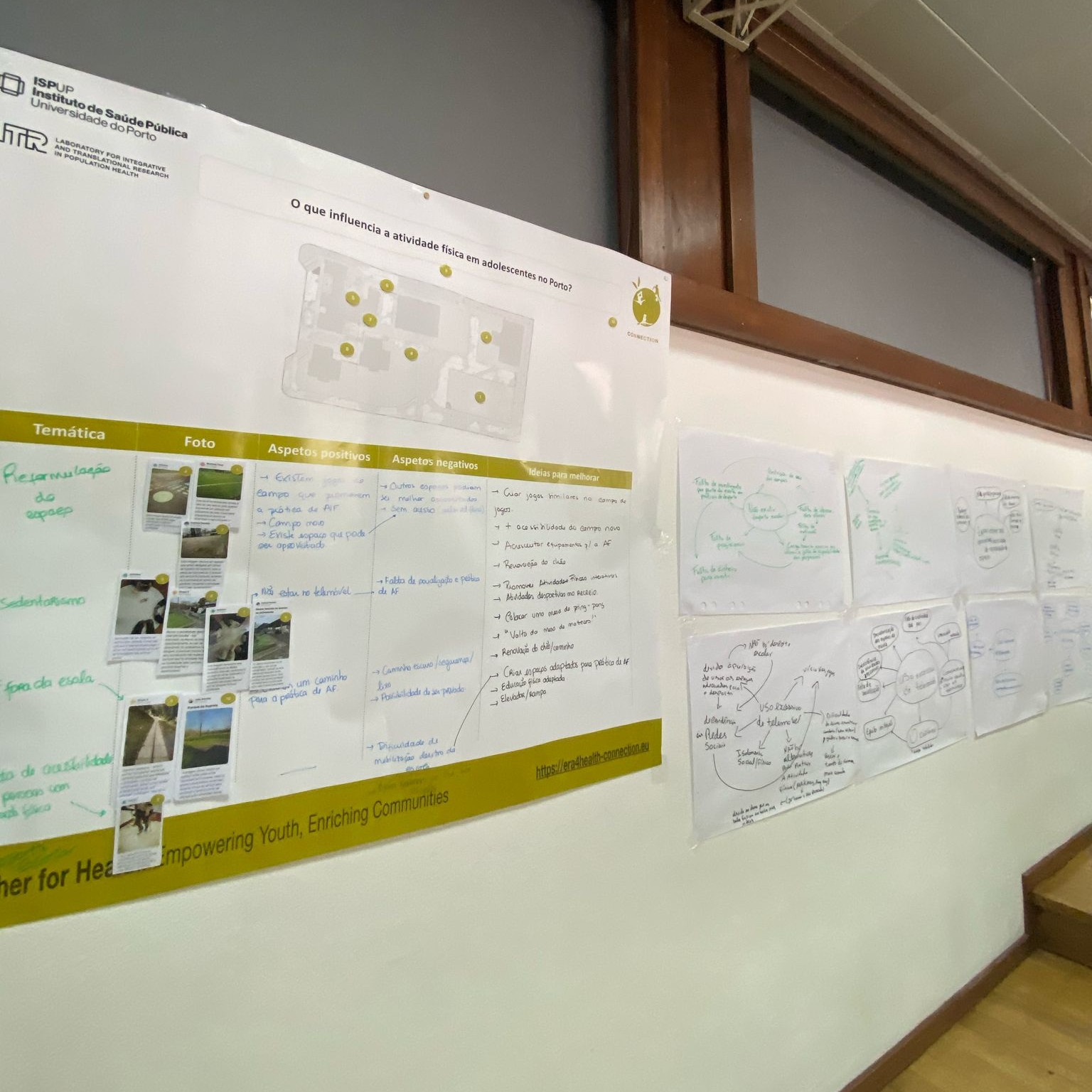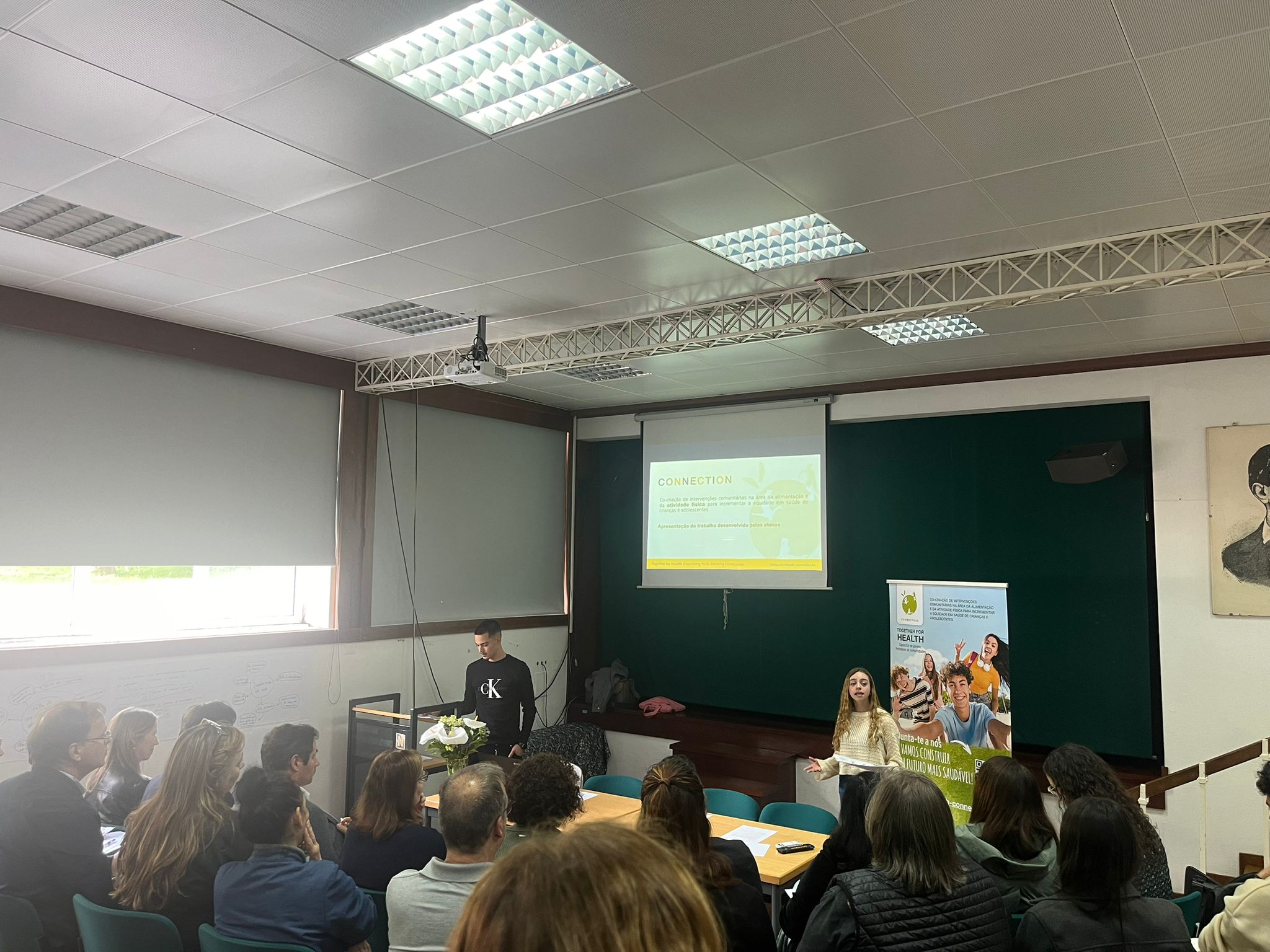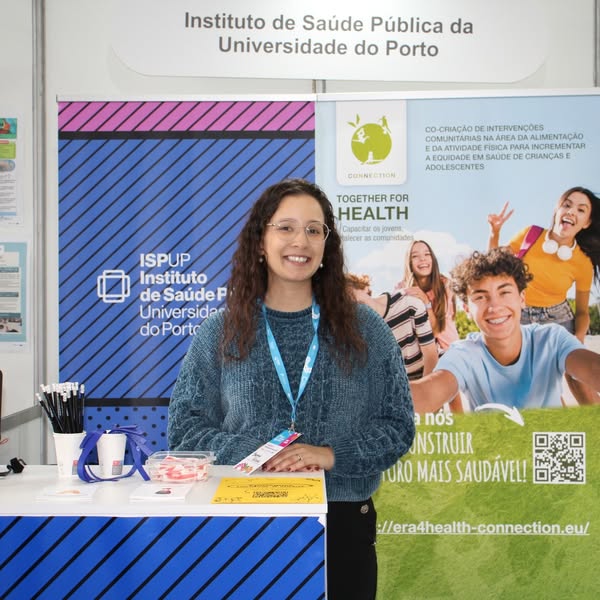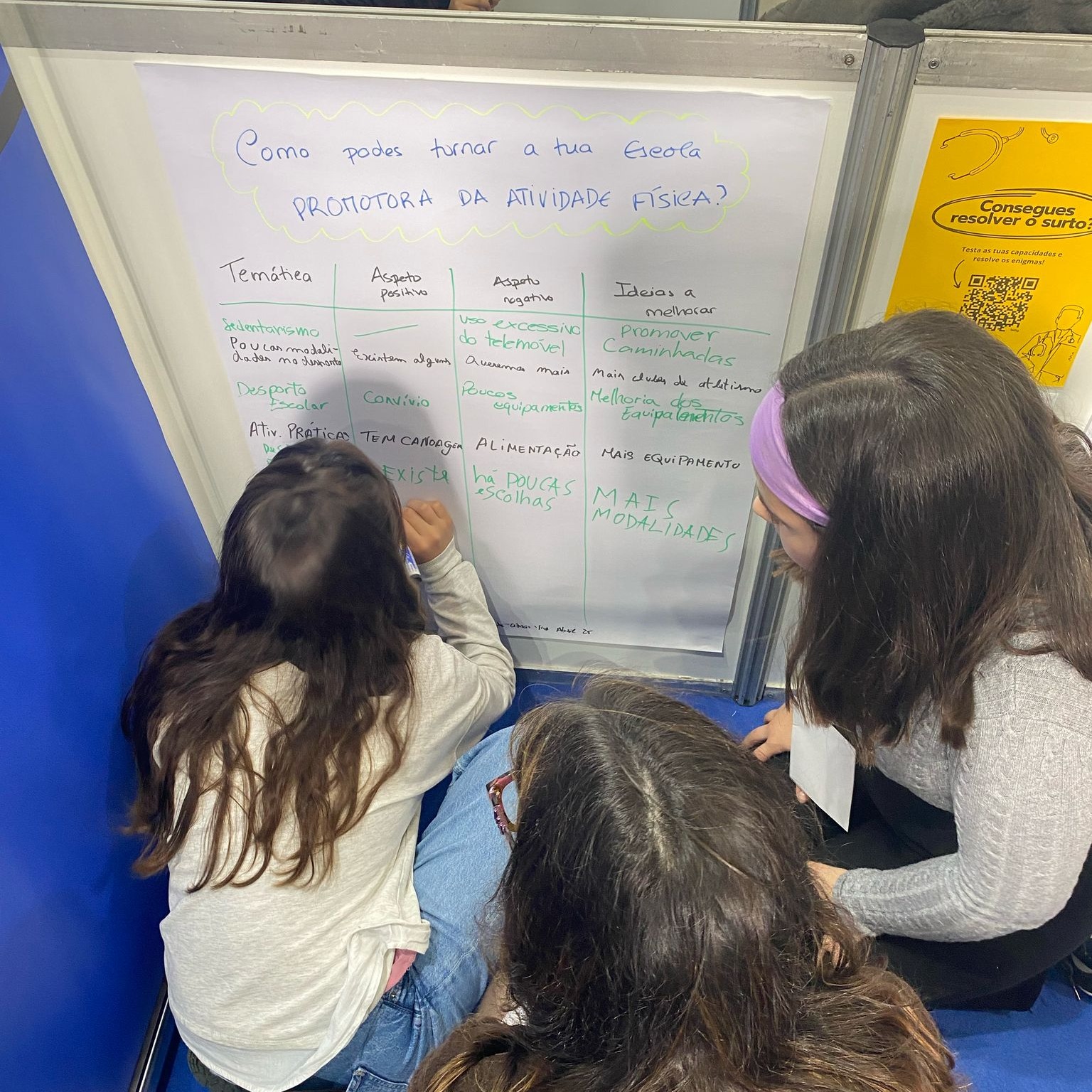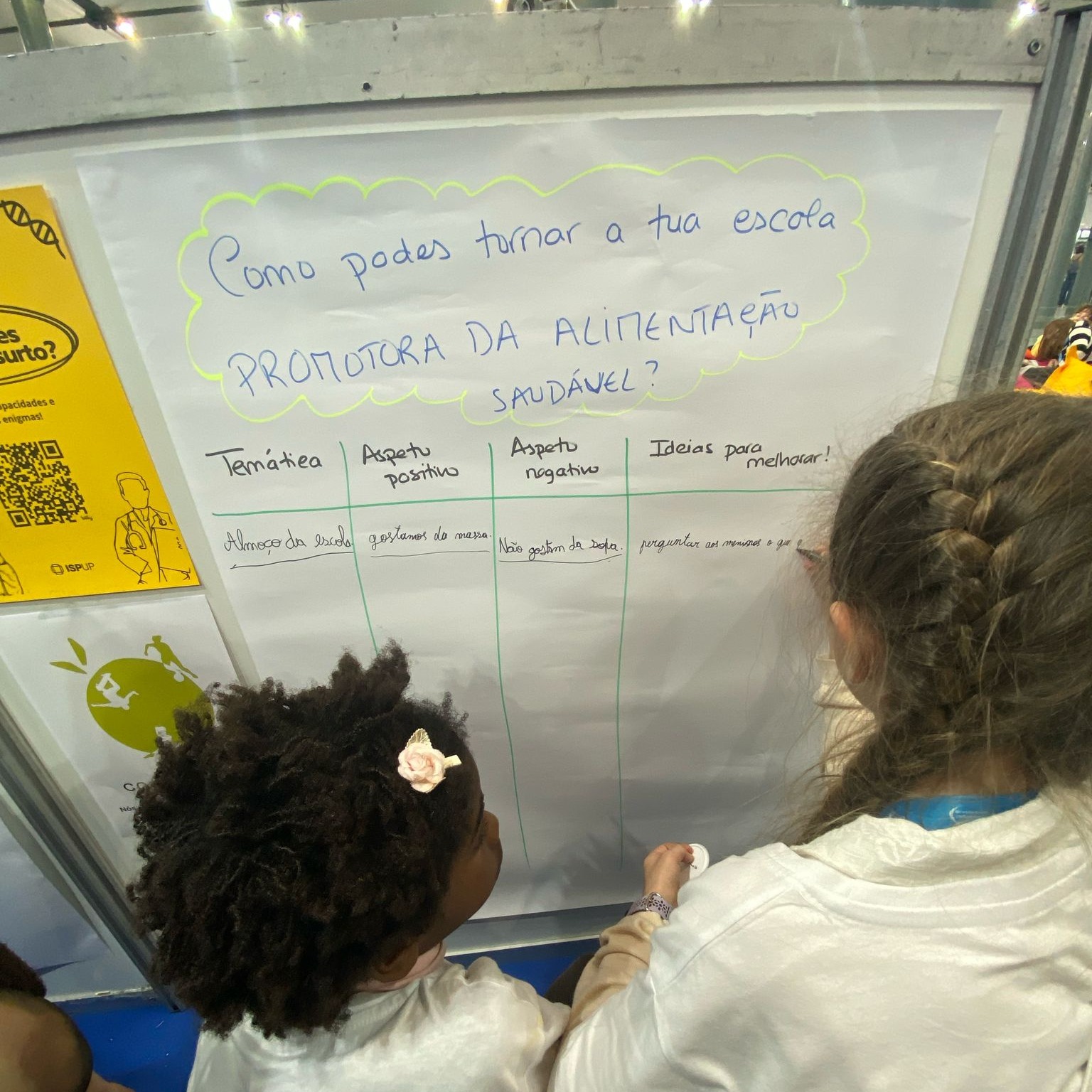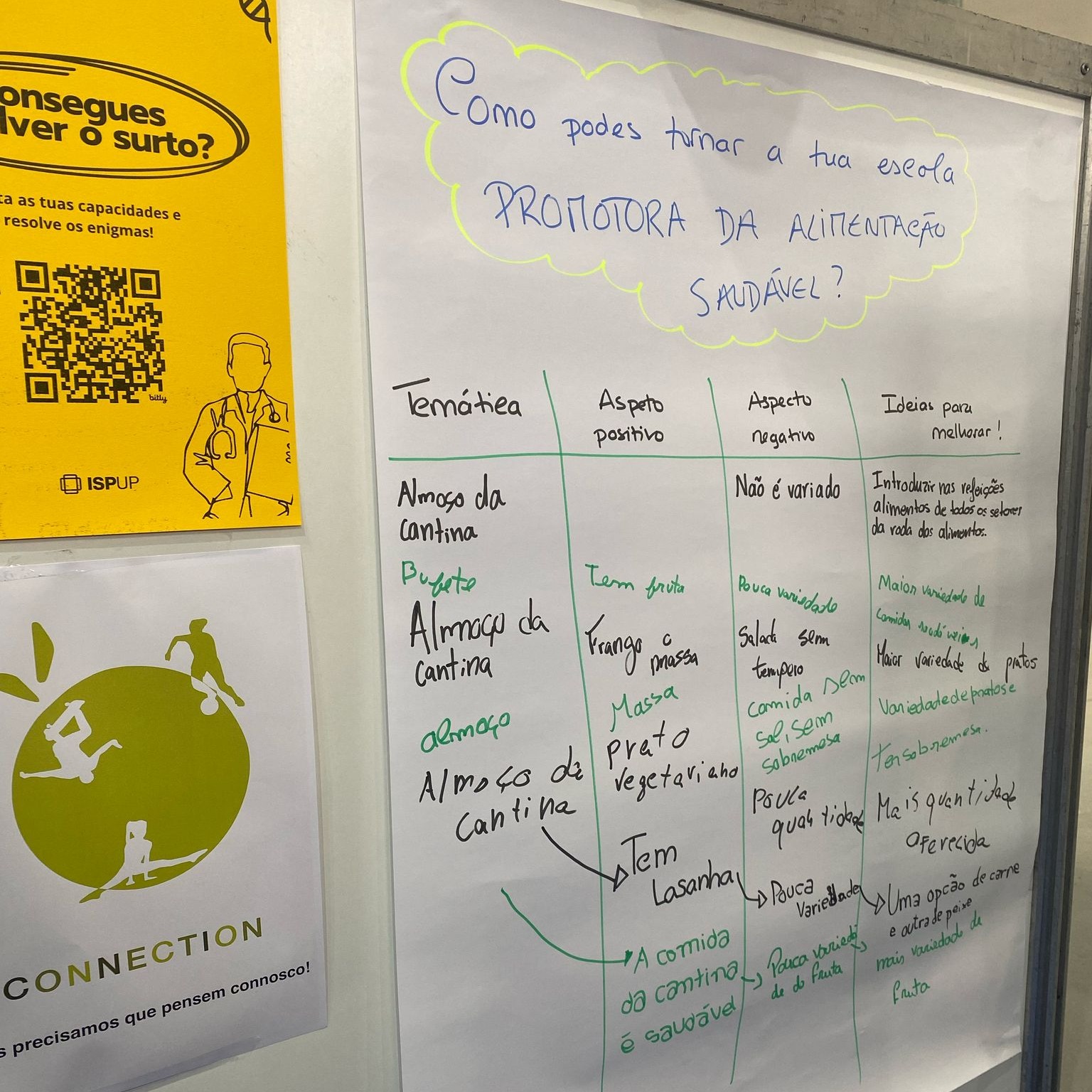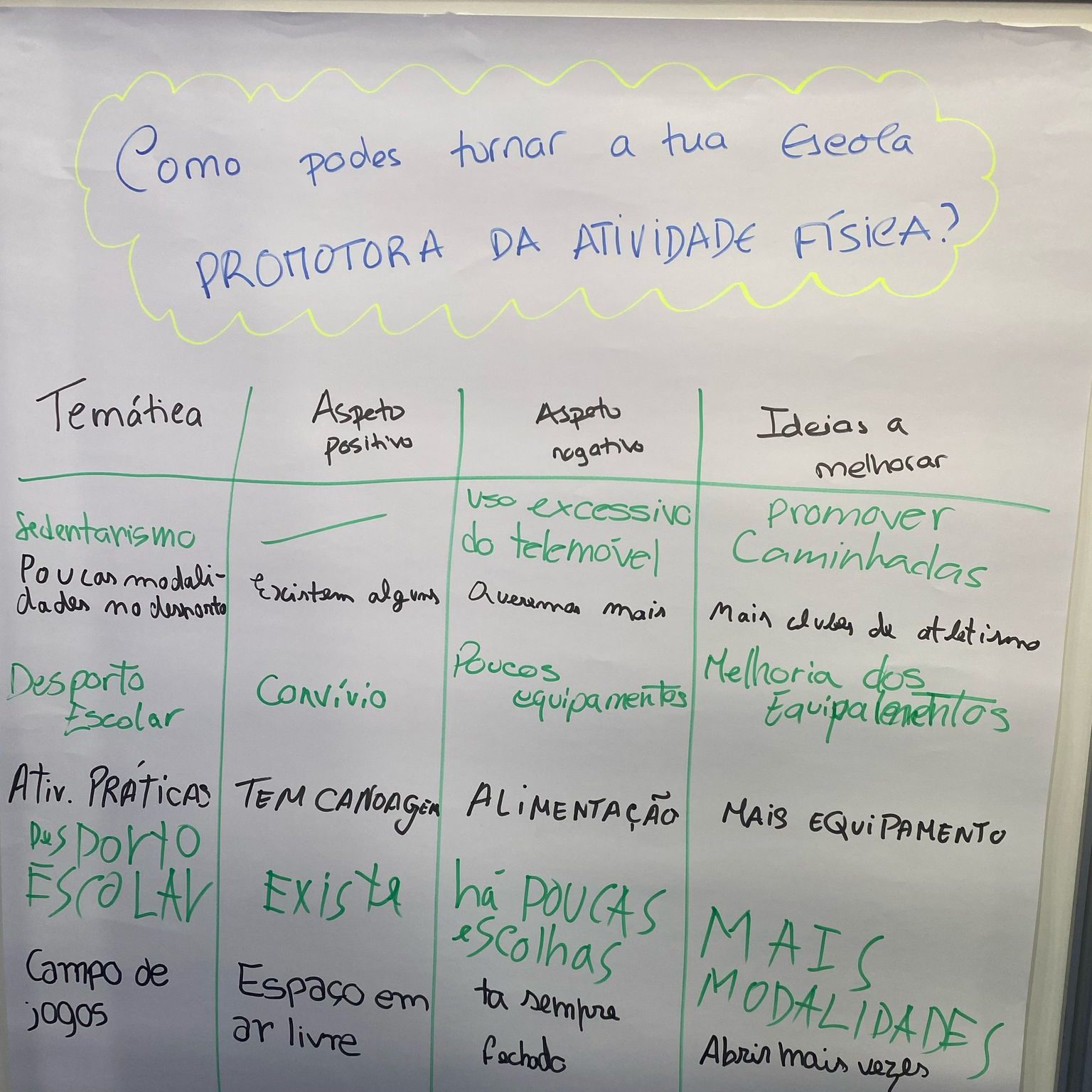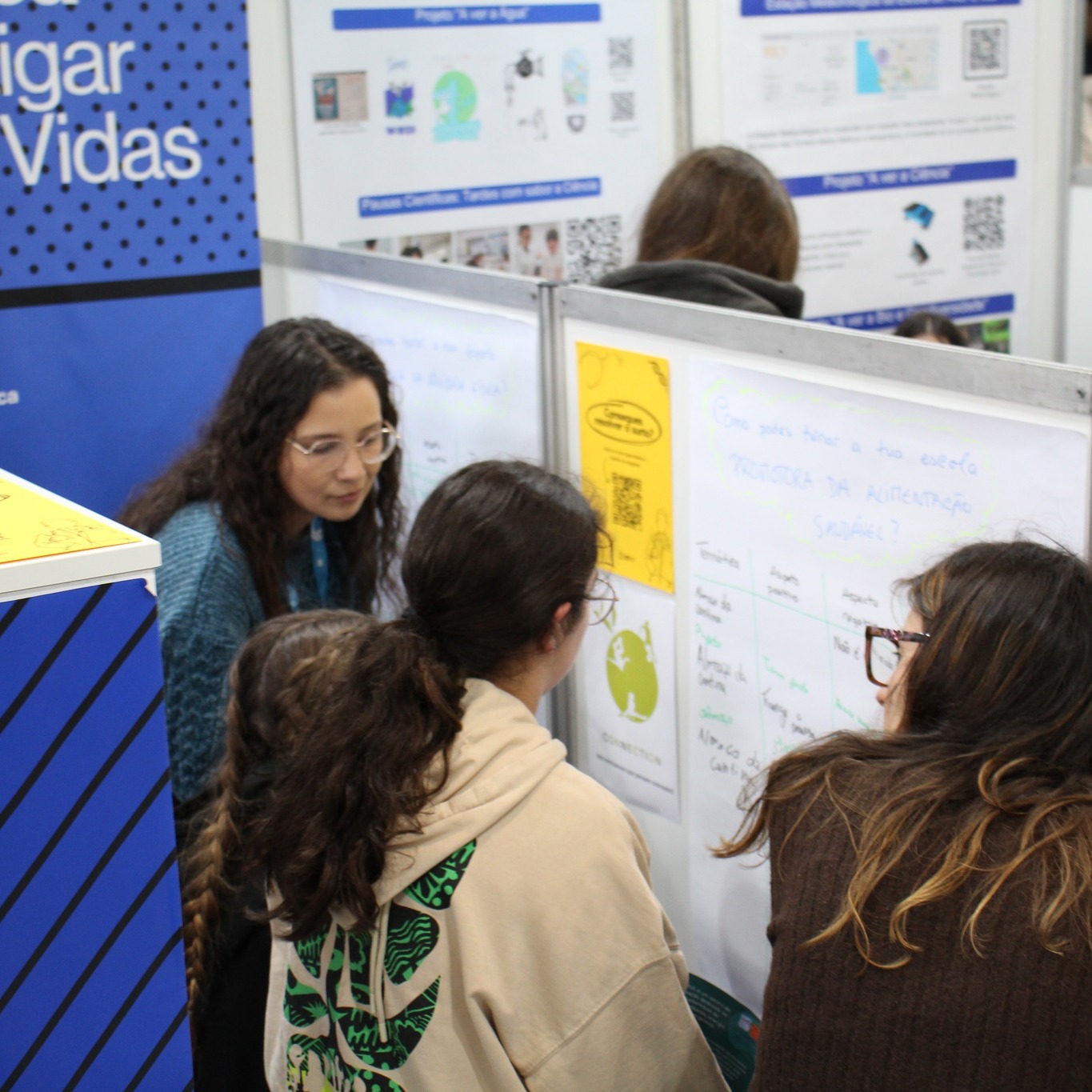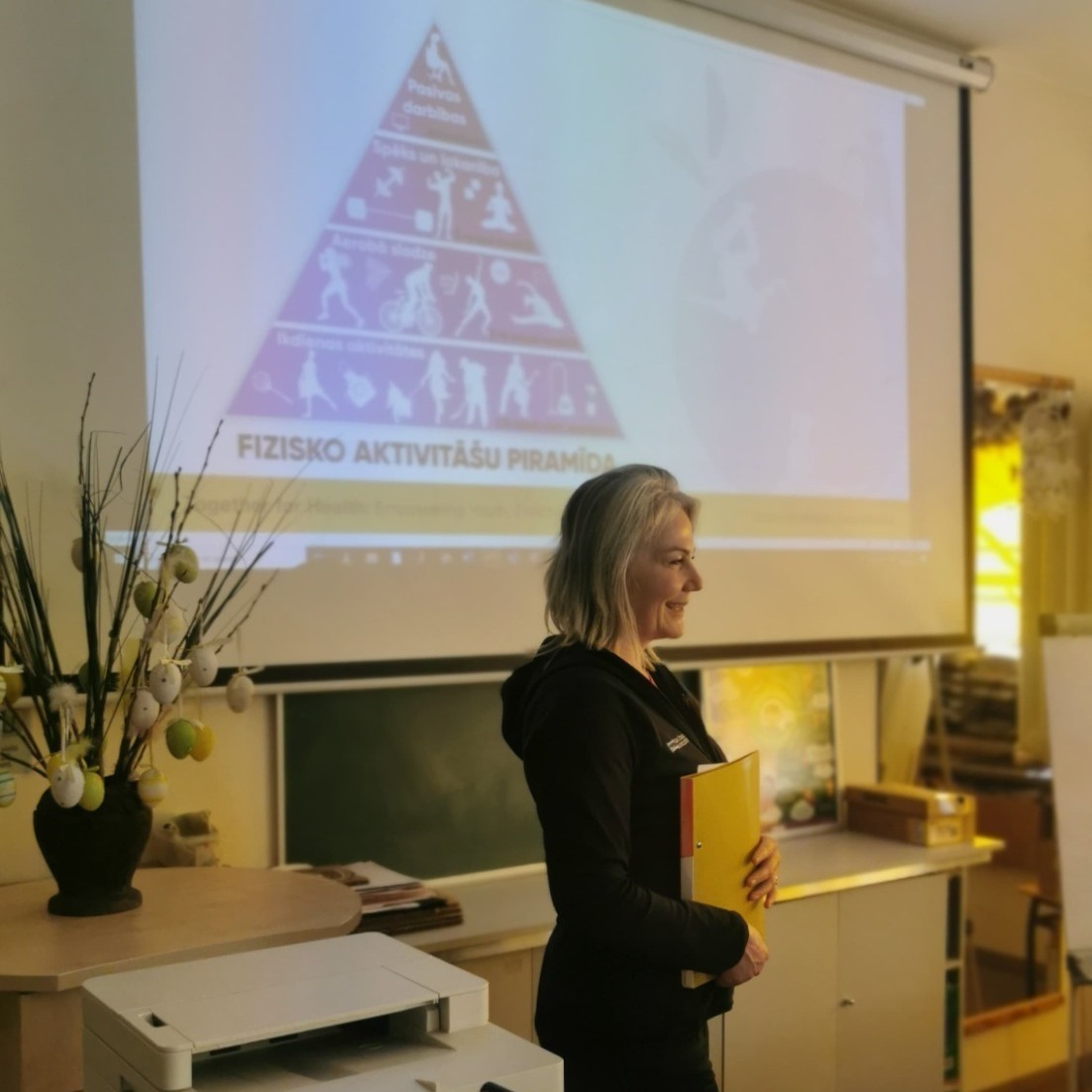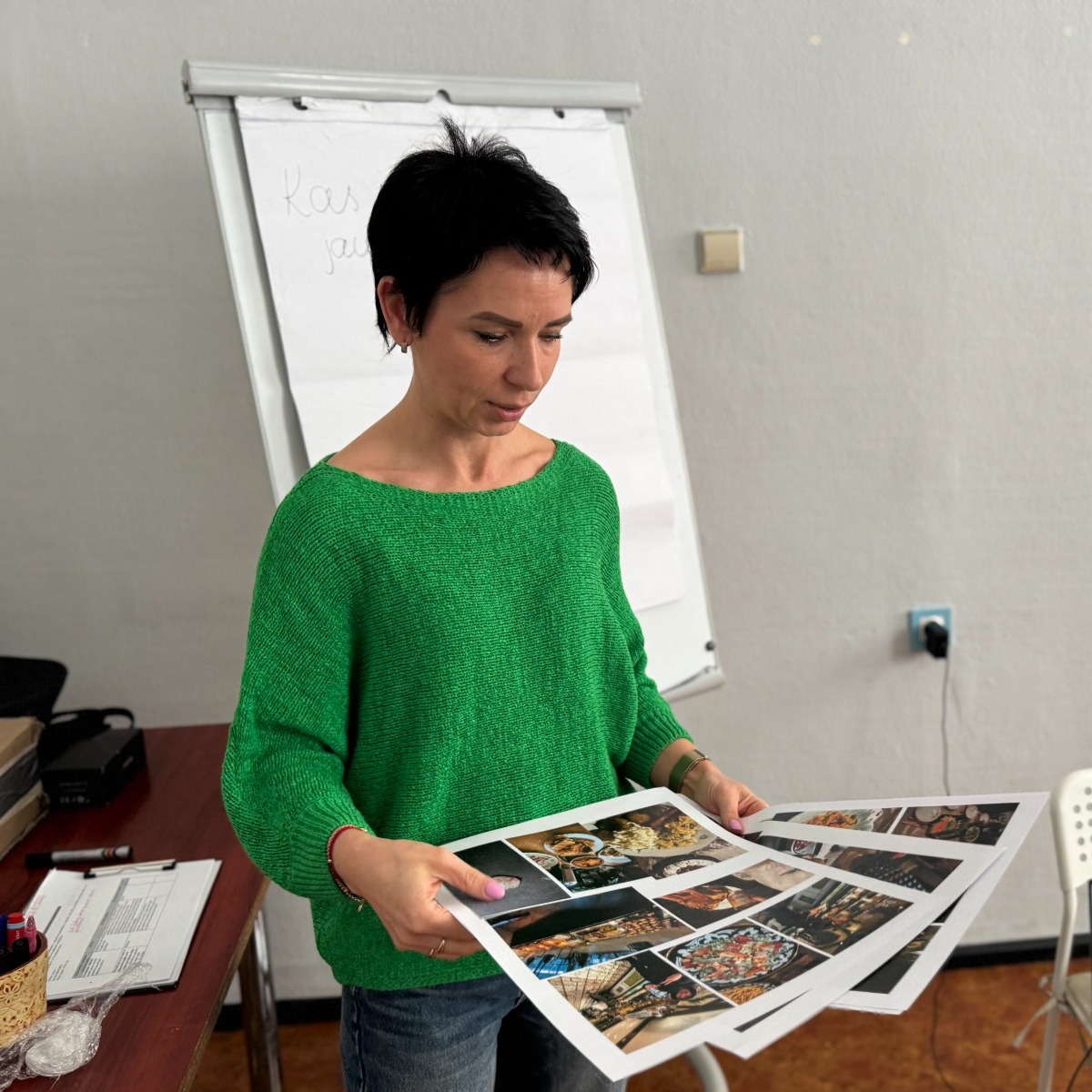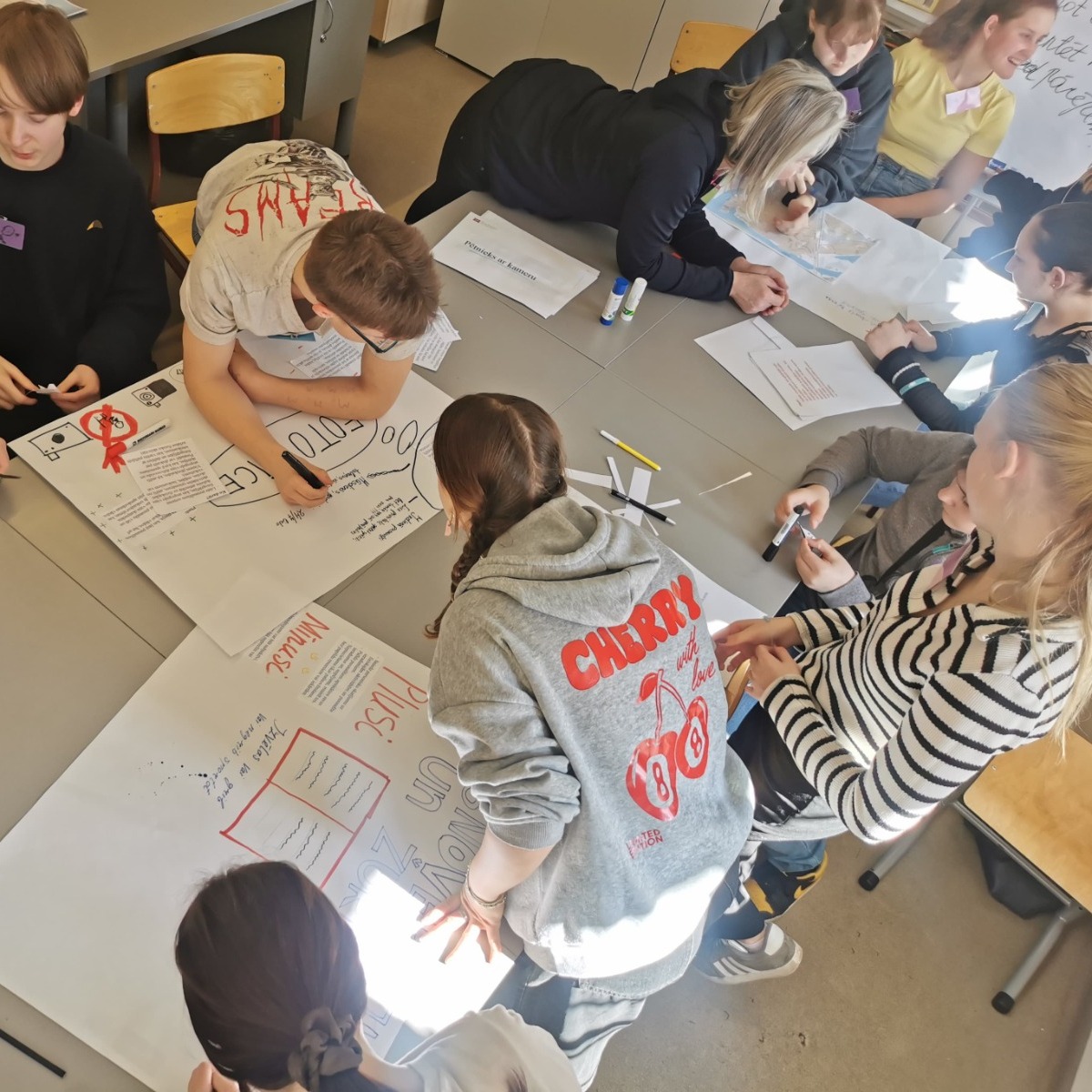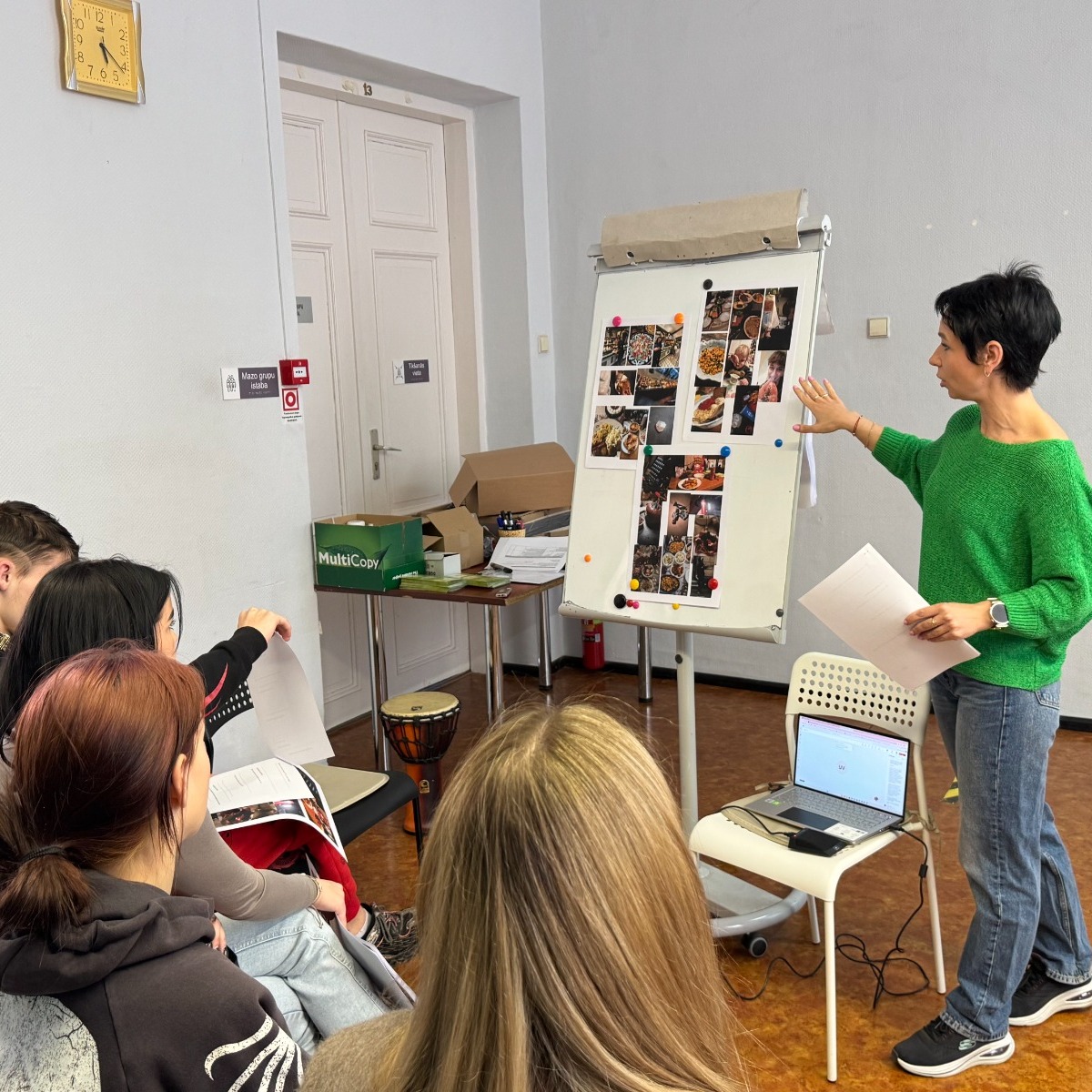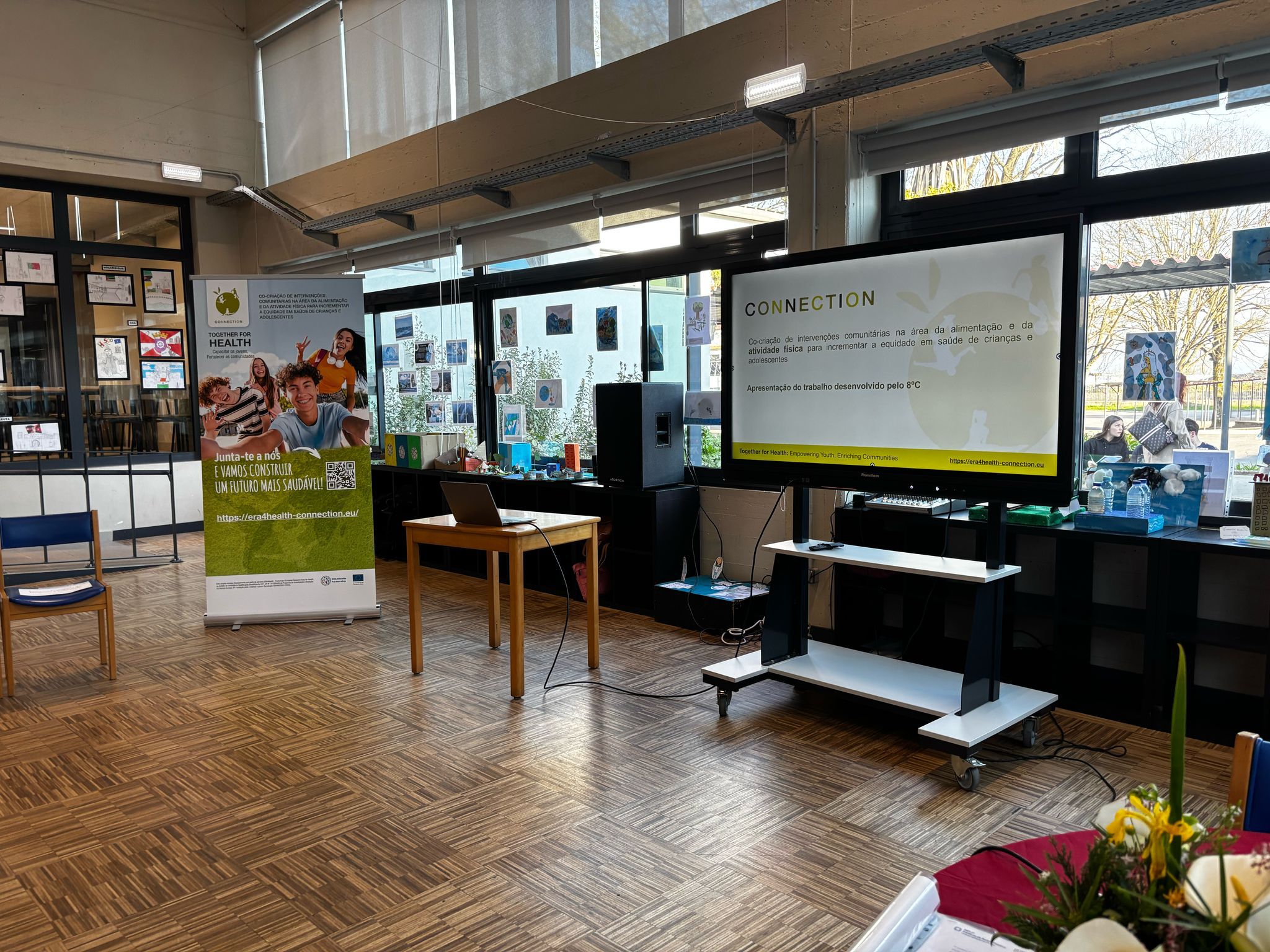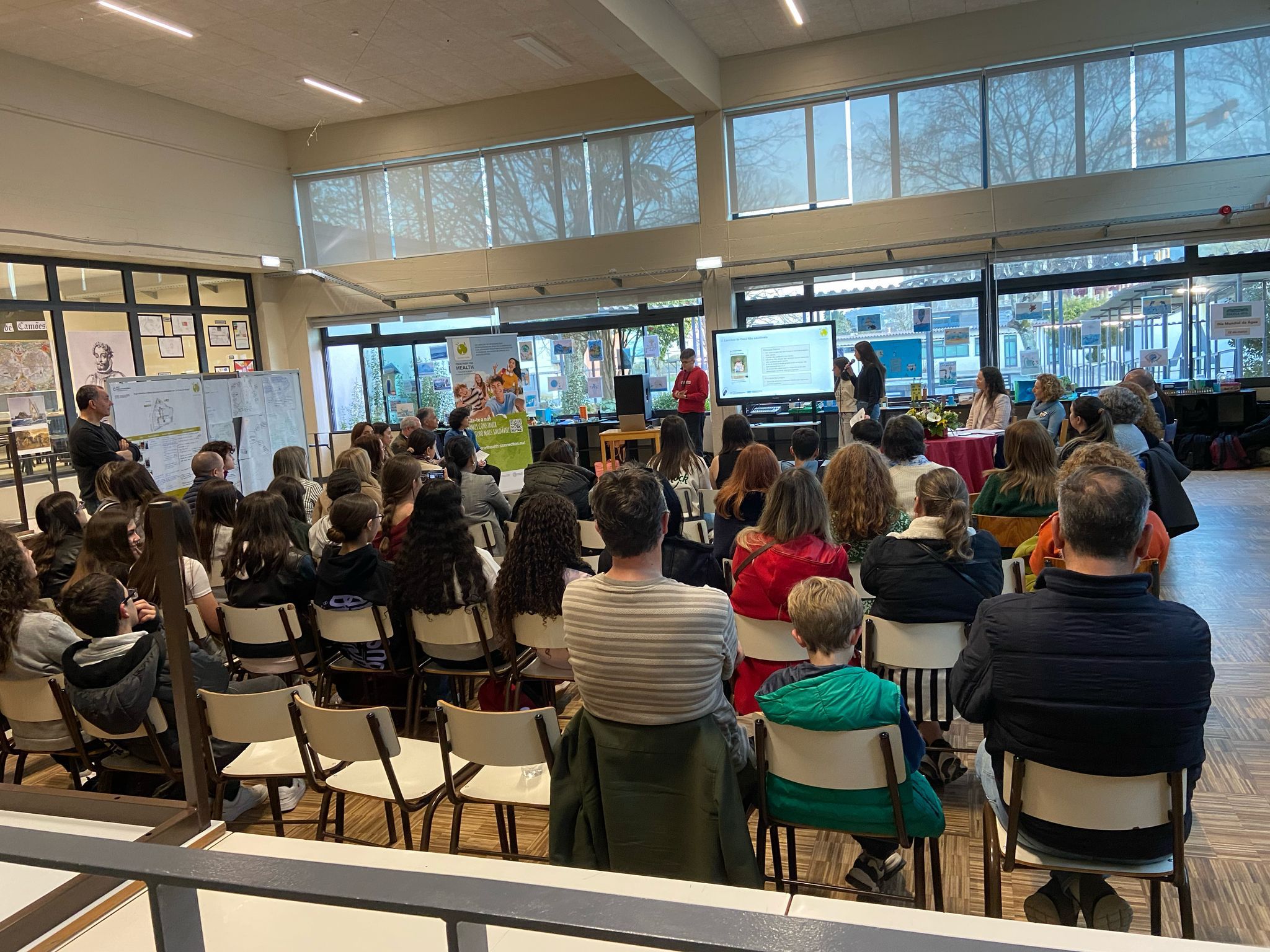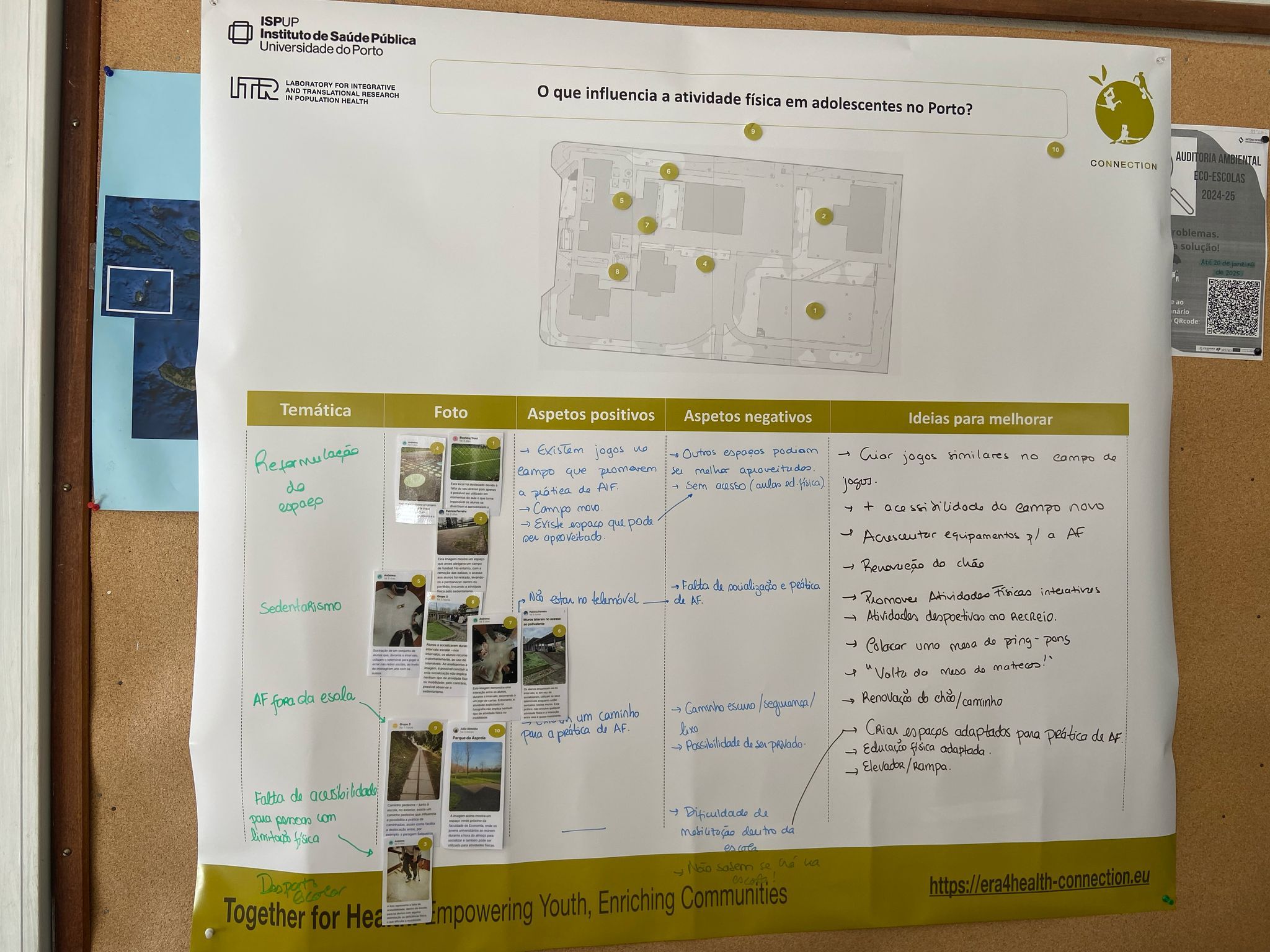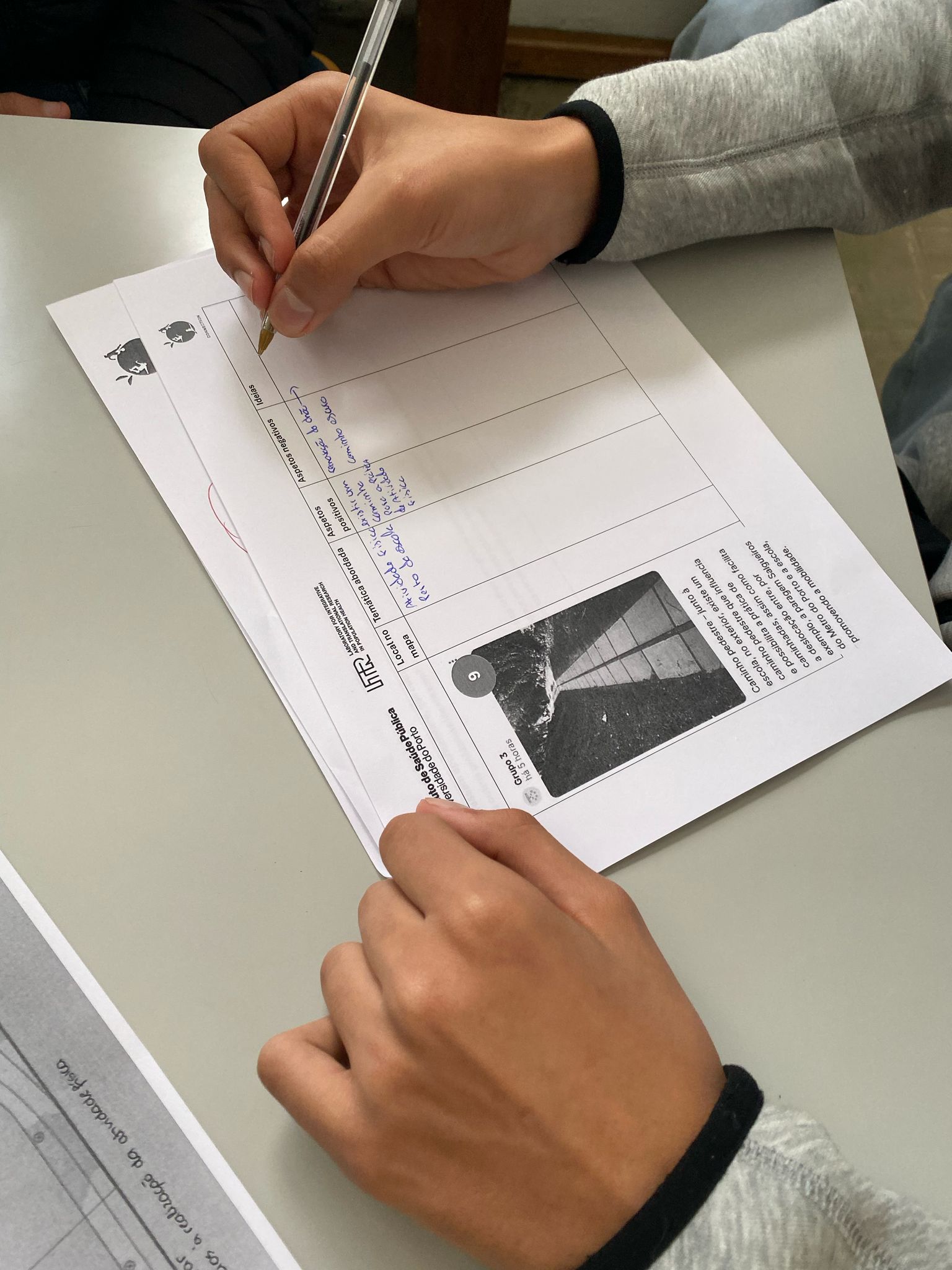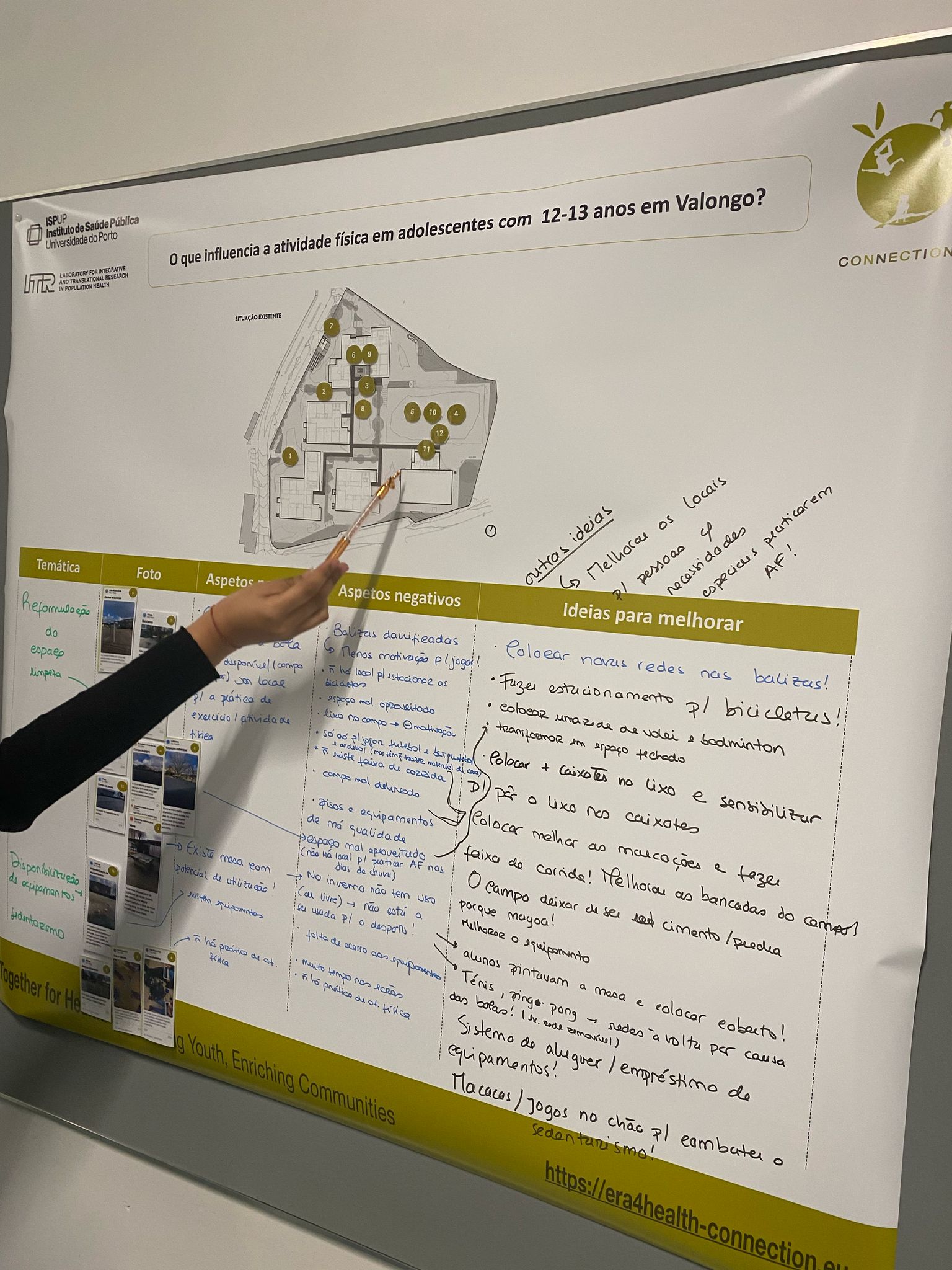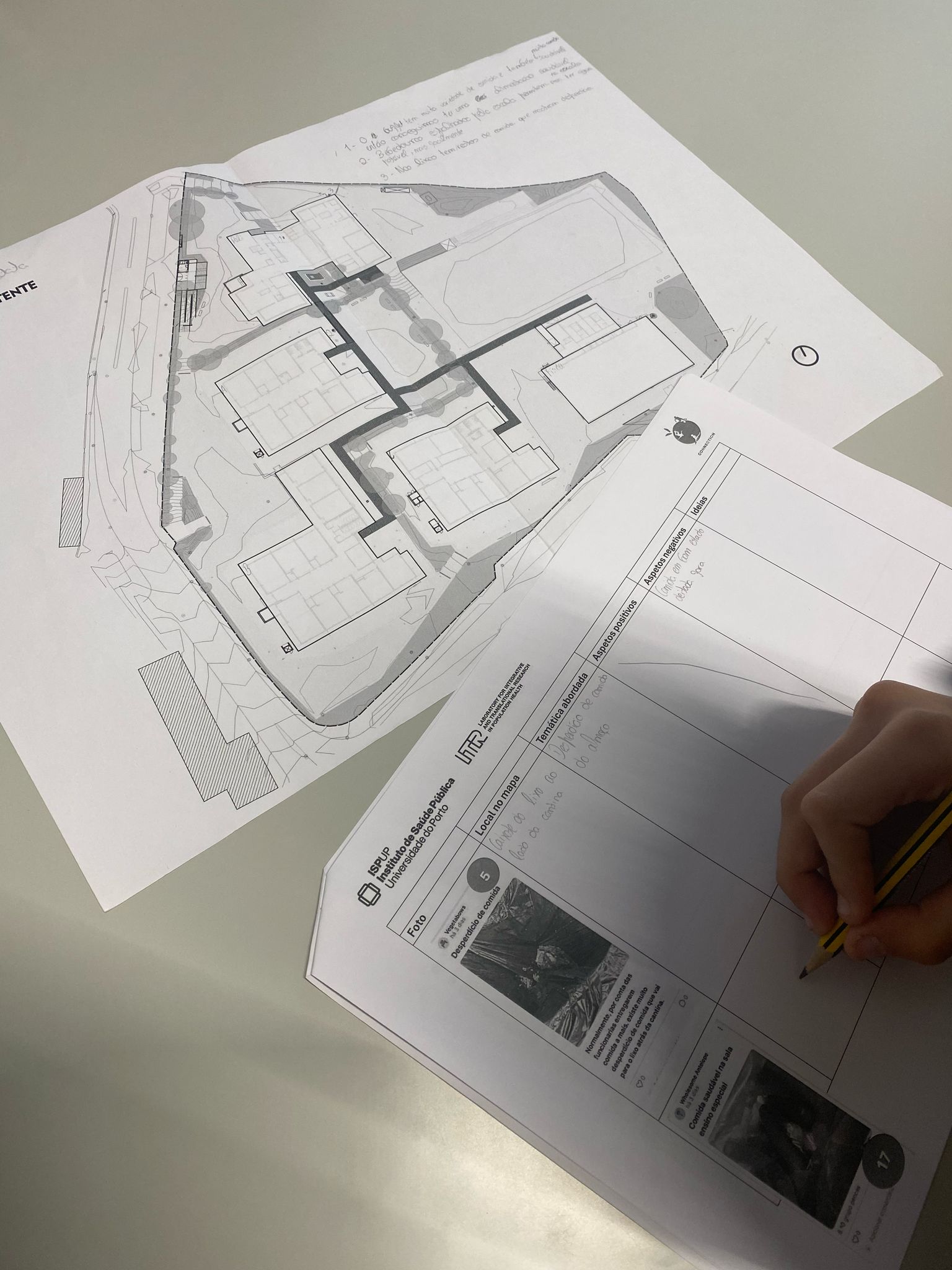
On May 12, the Department of Environmental Sciences at Vytautas Magnus University hosted Environmental Research Day 🌍 We presented the ideas of the Connection project, shared the health benefits of physical activity, and engaged students and schoolchildren with fun and interactive activities promoting active lifestyles 💪🚶♀️
#PhysicalActivity #Health #ConnectionProject #VMU #EnvironmentalSciences #NaturalSciences
How can we help children move more every day? 🤸♂️🌿
At 32nd International Scientific-Practice Conference “Human and Nature Safety 2026”, we presented the latest results from the Vytautas Magnus University partnership research in Kaunas.
Can city design, green spaces, schools, and daily habits encourage kids to be more active? Our research is looking for answers. 🚀
What do YOU think is the most effective way to increase children’s physical activity? 👇
#VMU #Research #ChildrenHealth #PhysicalActivity #Kaunas #Science #HumanAndNatureSafety #Connection #LMT
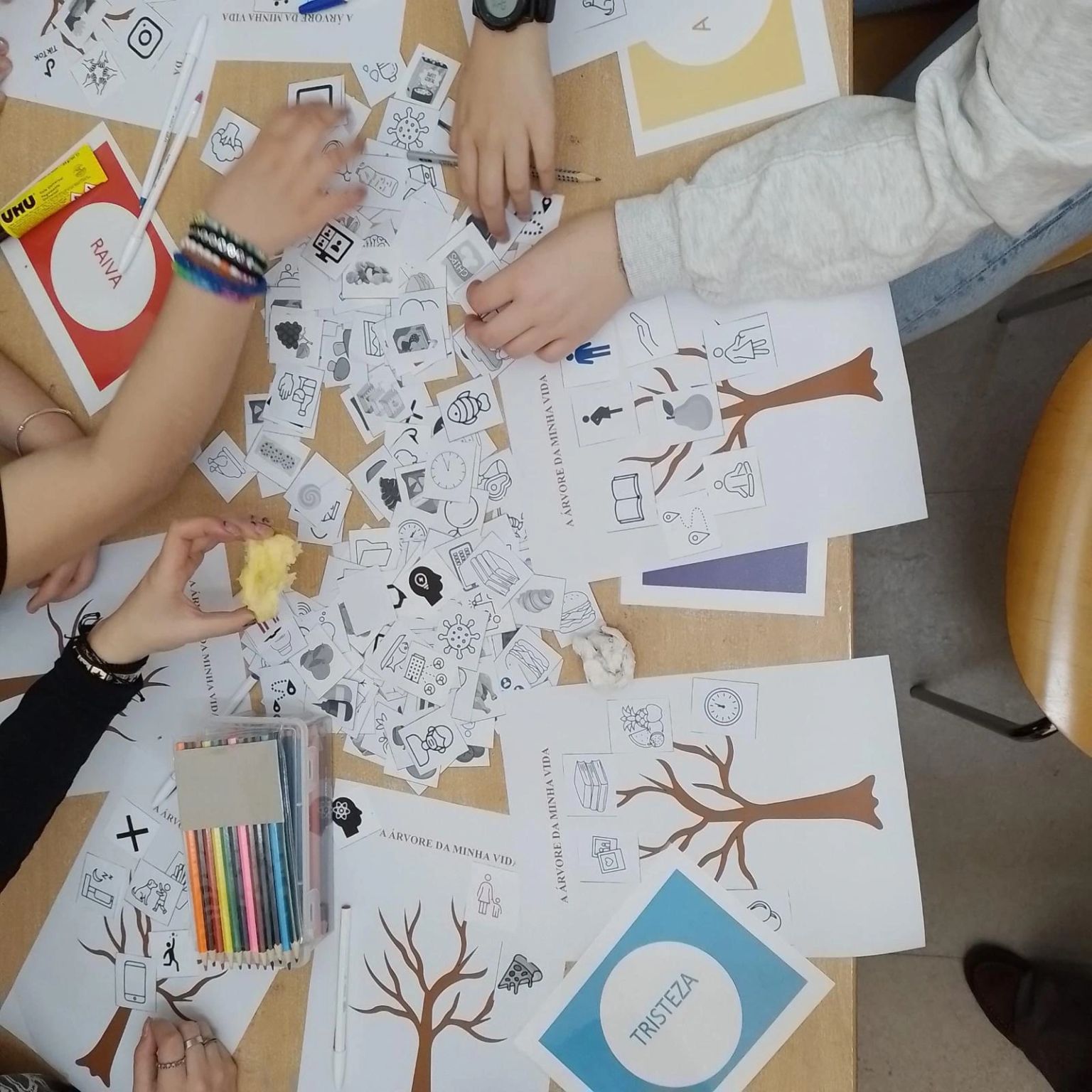
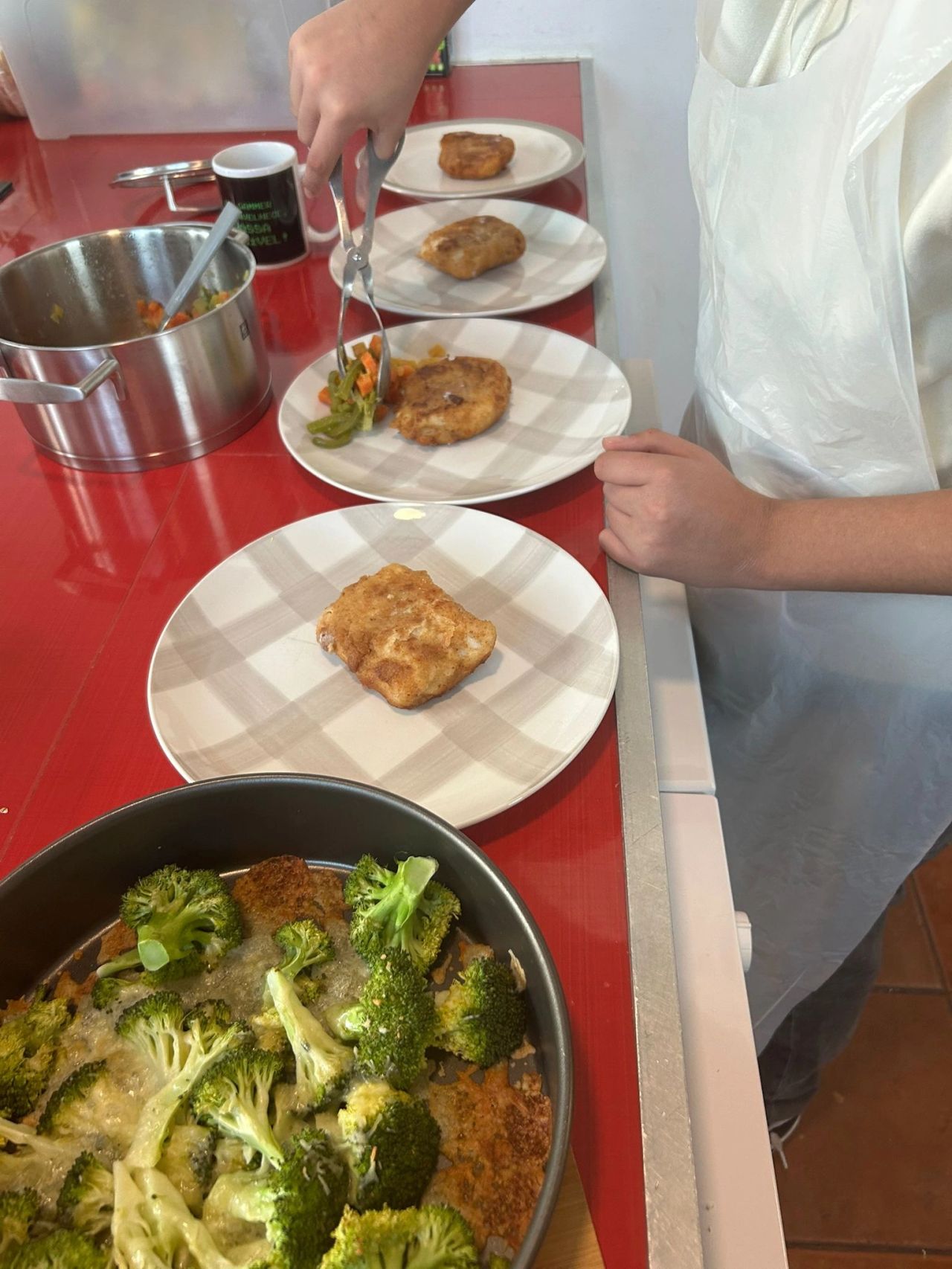
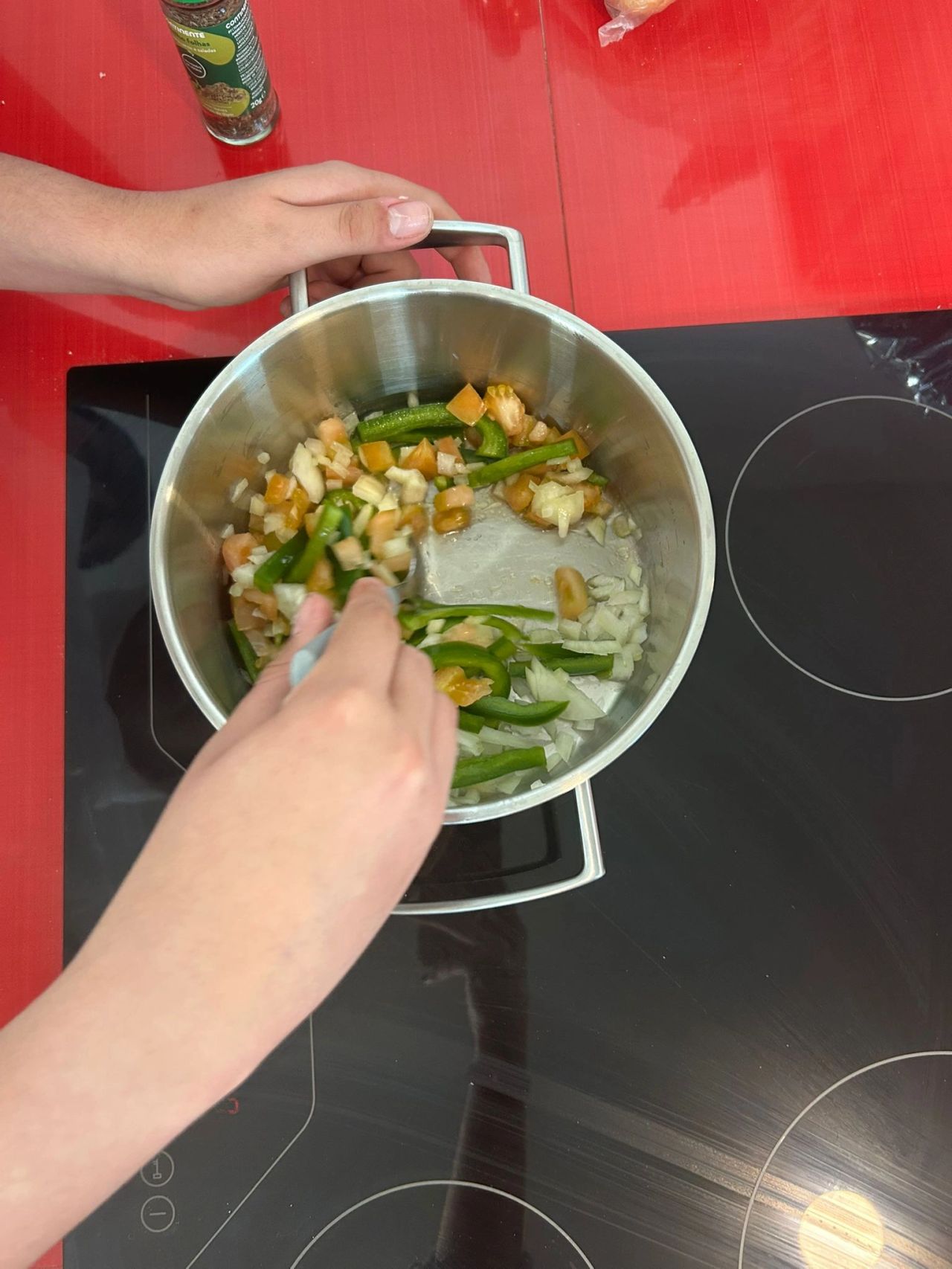
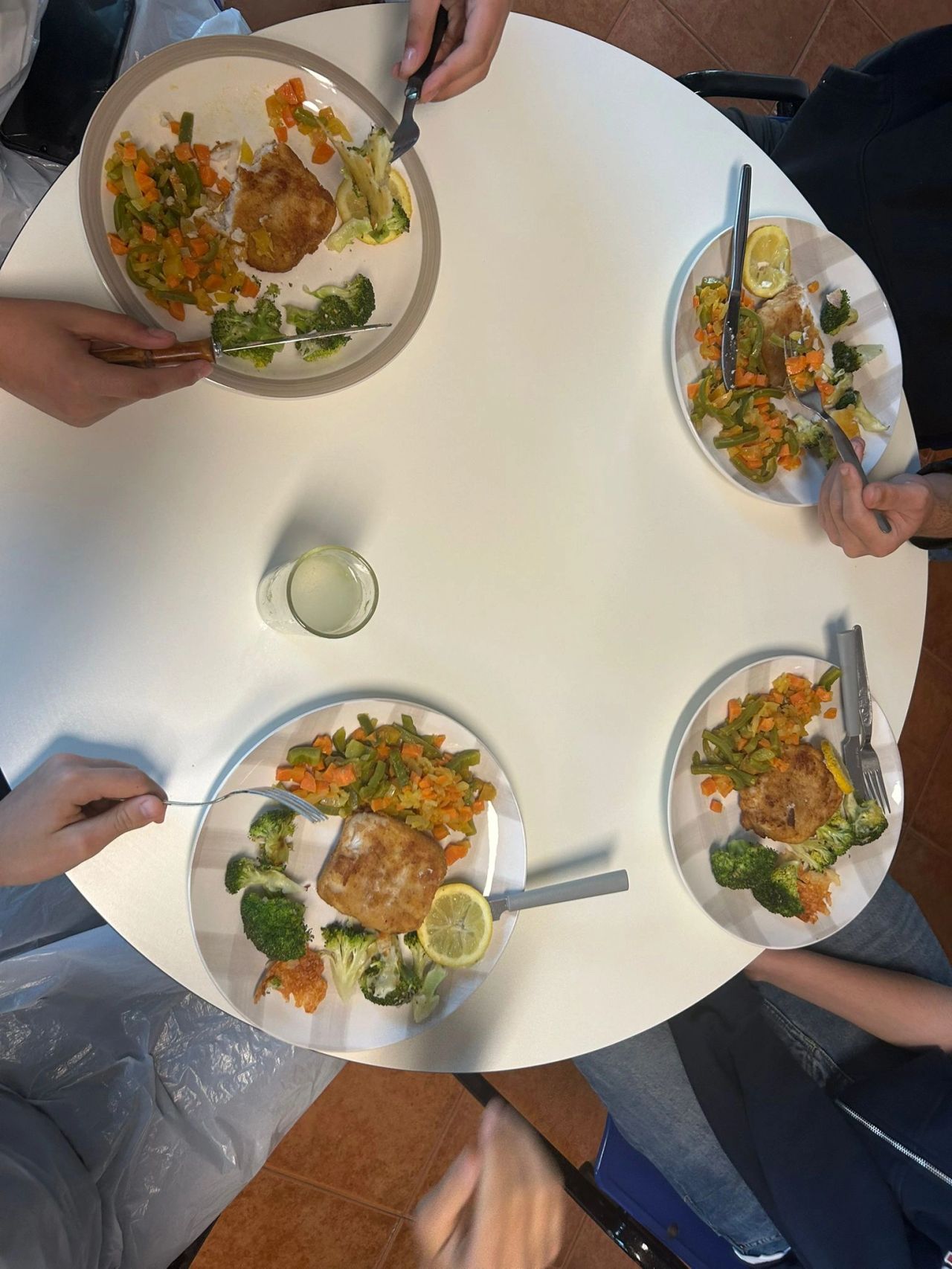
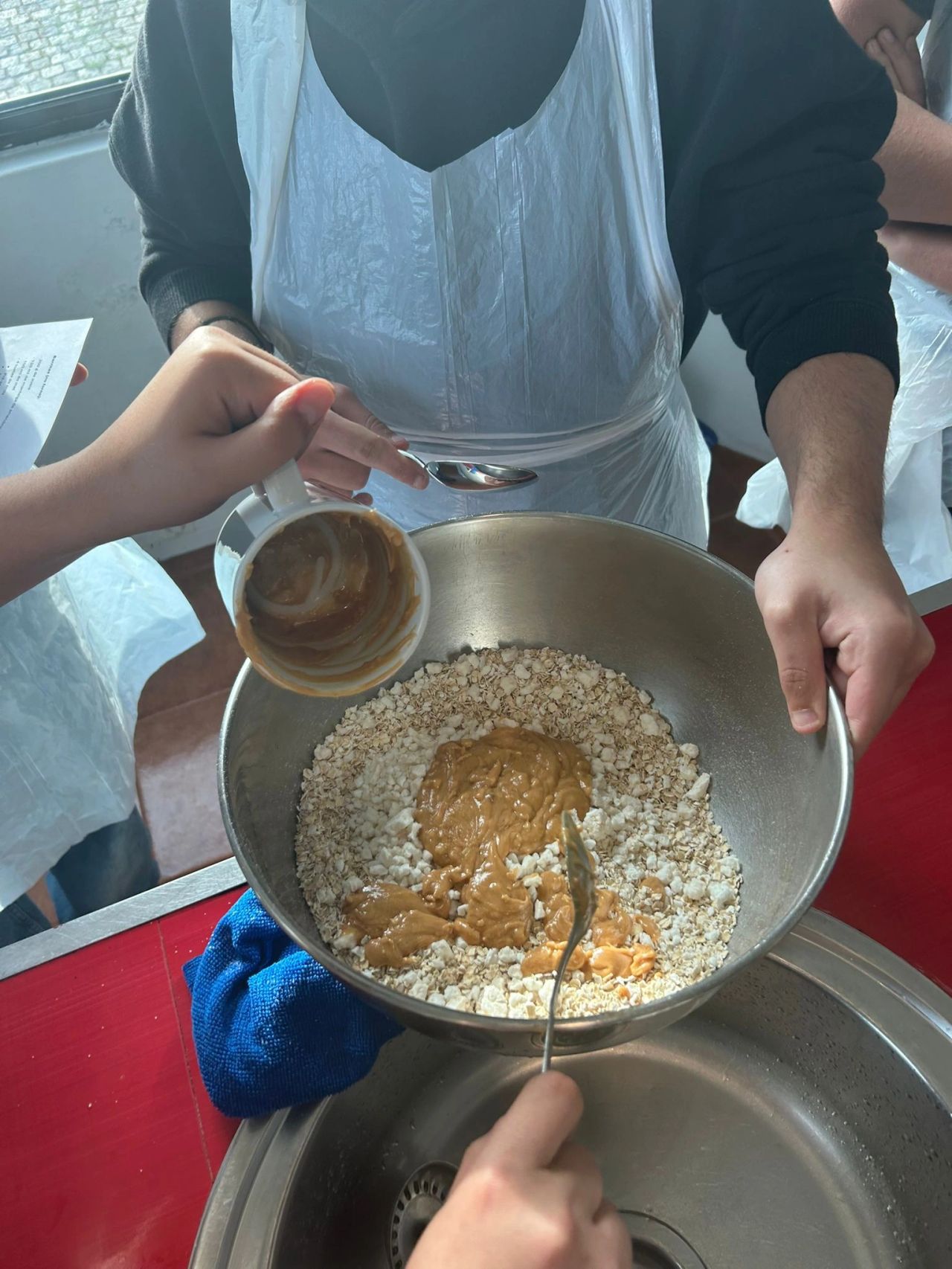
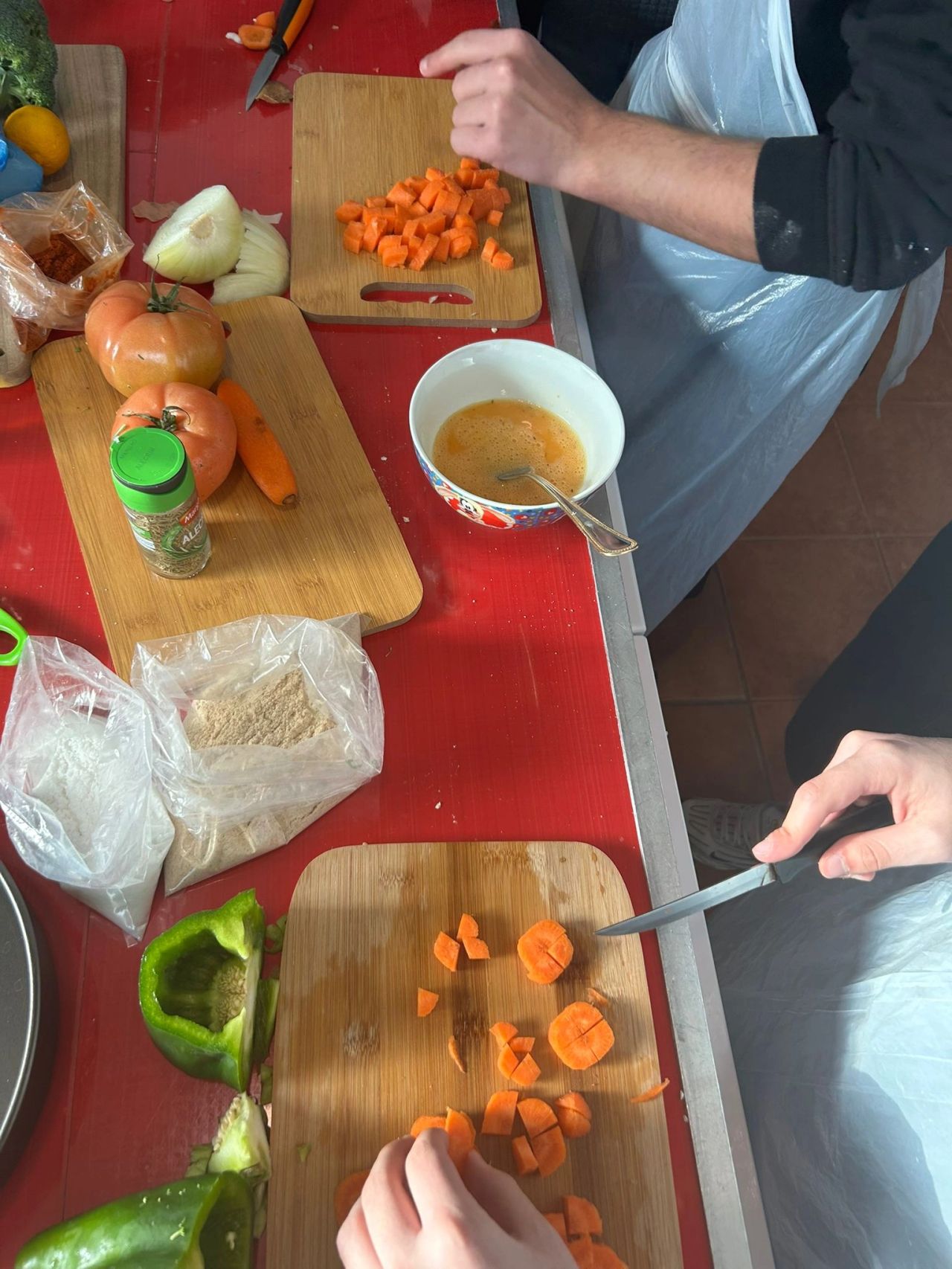
In Portugal, over the past weeks, CONNECTION sessions have been bringing together young people in three foster homes across Porto around food, choices, and everyday life 🍎
These sessions are part of the co-created interventions, where young people and key stakeholders identified food literacy as a priority, especially in understanding food labels, managing budgets when shopping, and learning how to cook.
👩🍳 Cooking has been a key part of the journey with young people getting hands-on in the kitchen, preparing meals, and building confidence along the way.
💬 Through interactive activities, they’re discovering that healthier options can be both affordable and satisfying. We also had the support of the Municipality of Porto’s psychologist in one session, enriching the experience.
✨ Practical, engaging moments that connect knowledge with daily habits and empower informed choices.
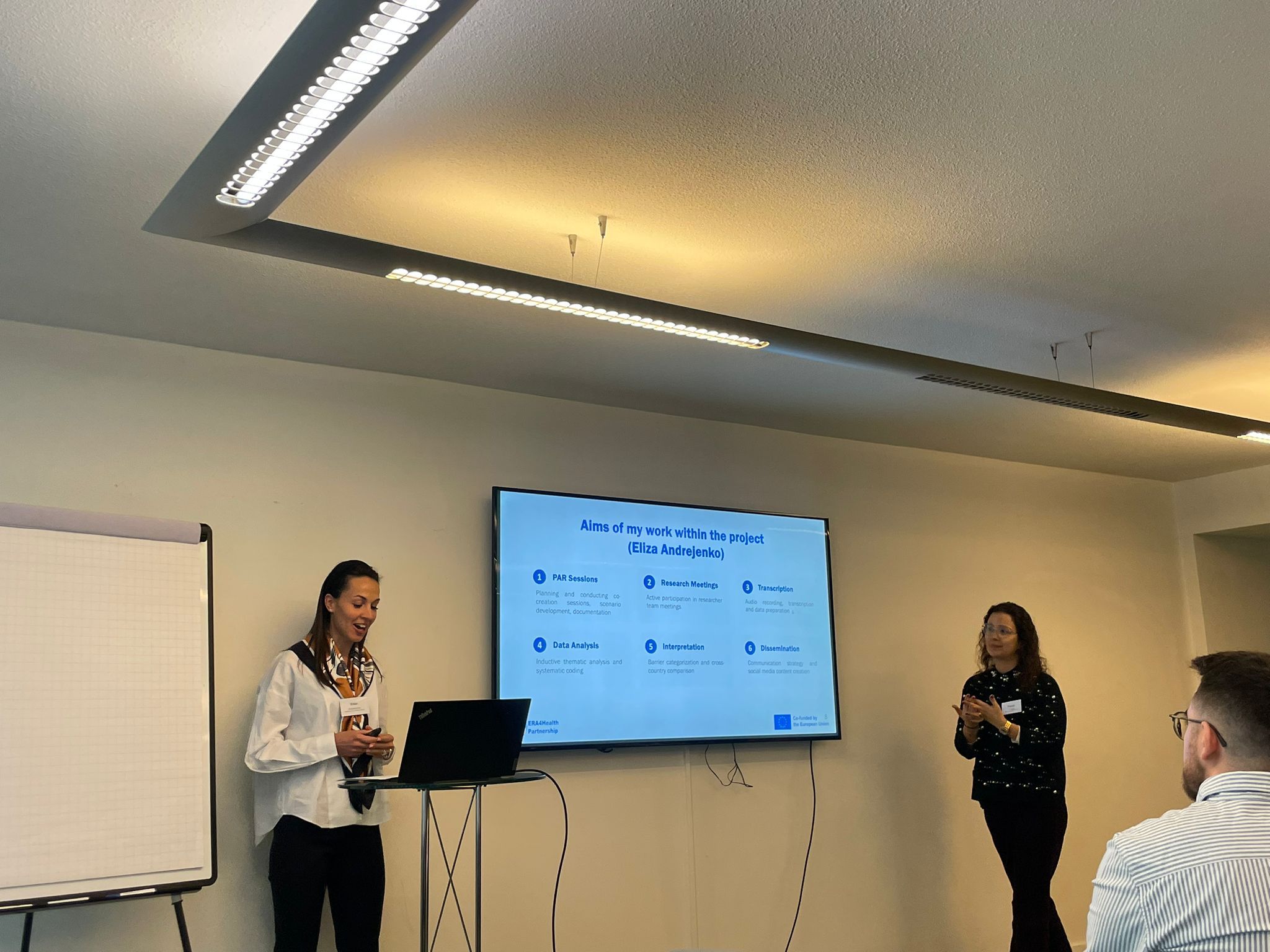
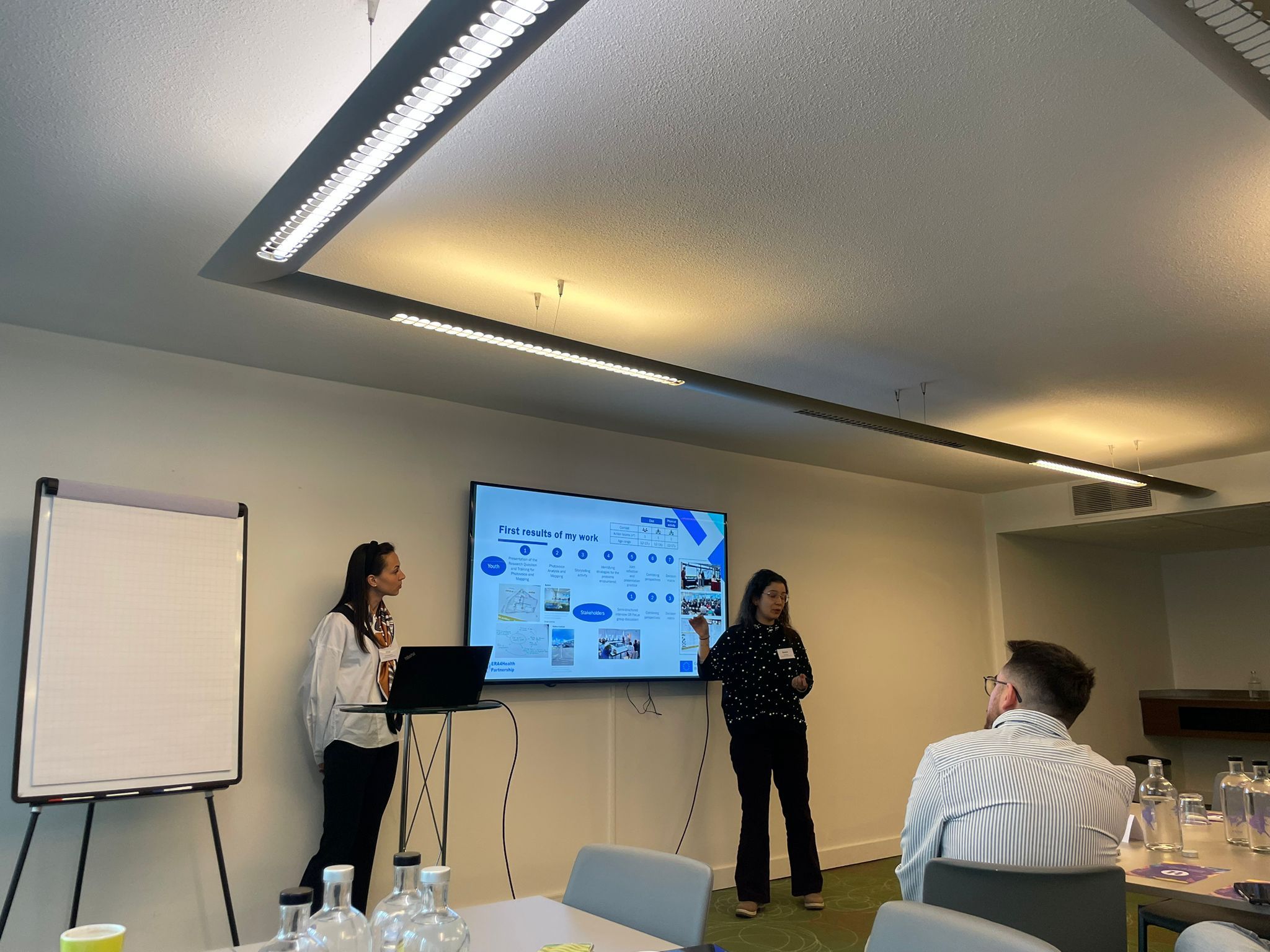
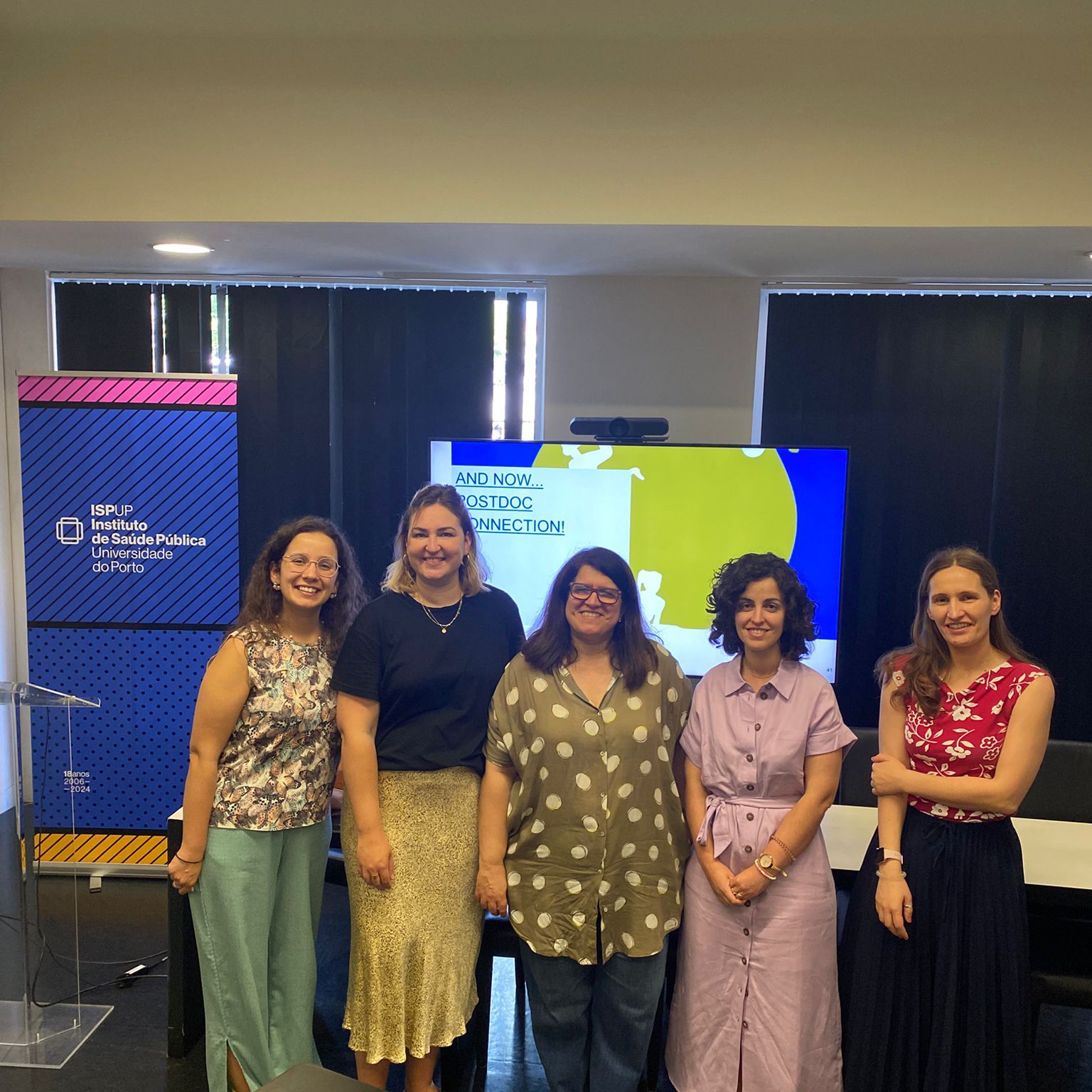
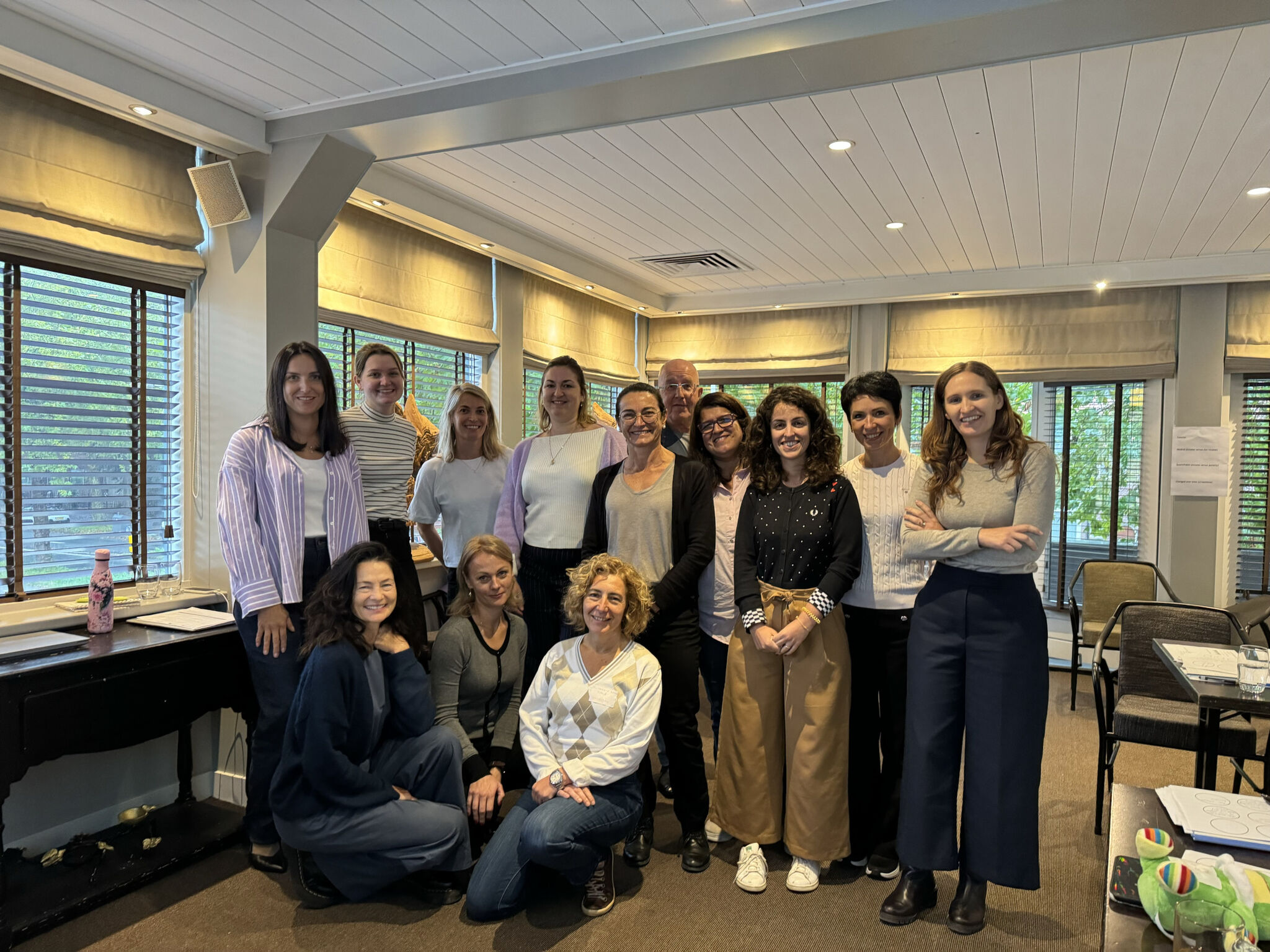
Early career researchers from the ERA4Health Early Career Network recently met in Brussels to share and discuss the results of several HealthEquity projects.
These presentations created a valuable space to exchange ideas, reflect on common public health challenges, and explore potential solutions together.
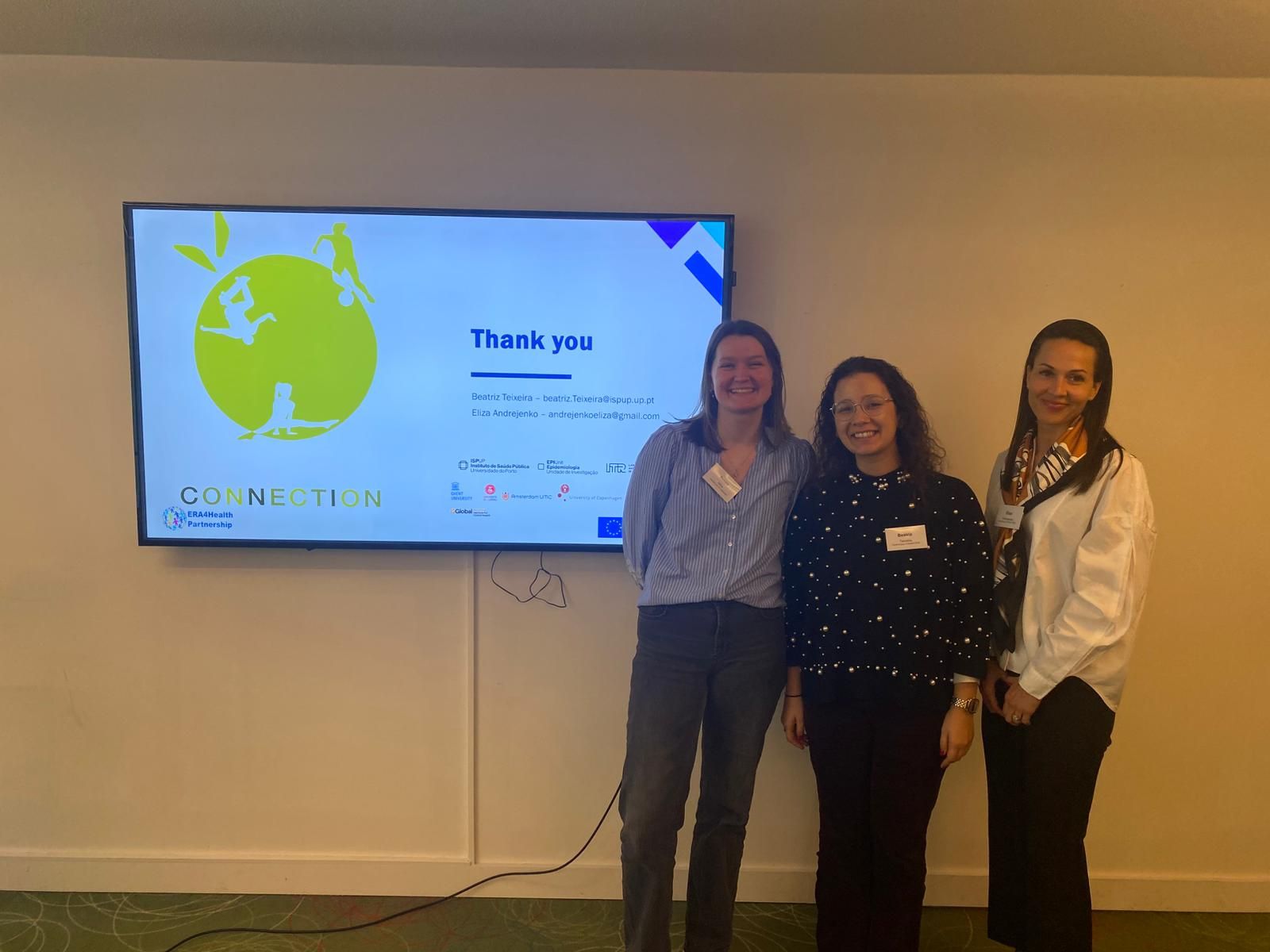
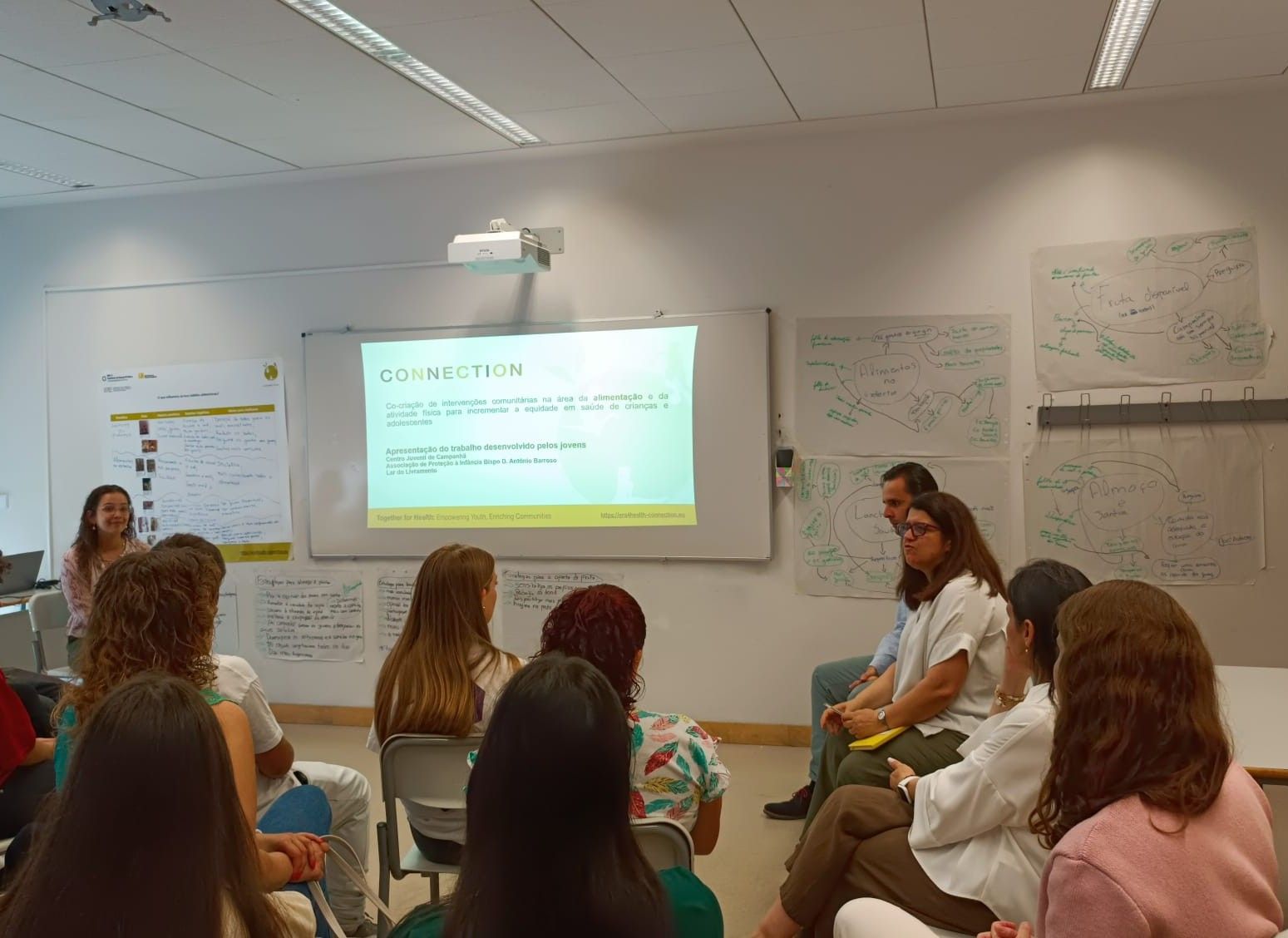
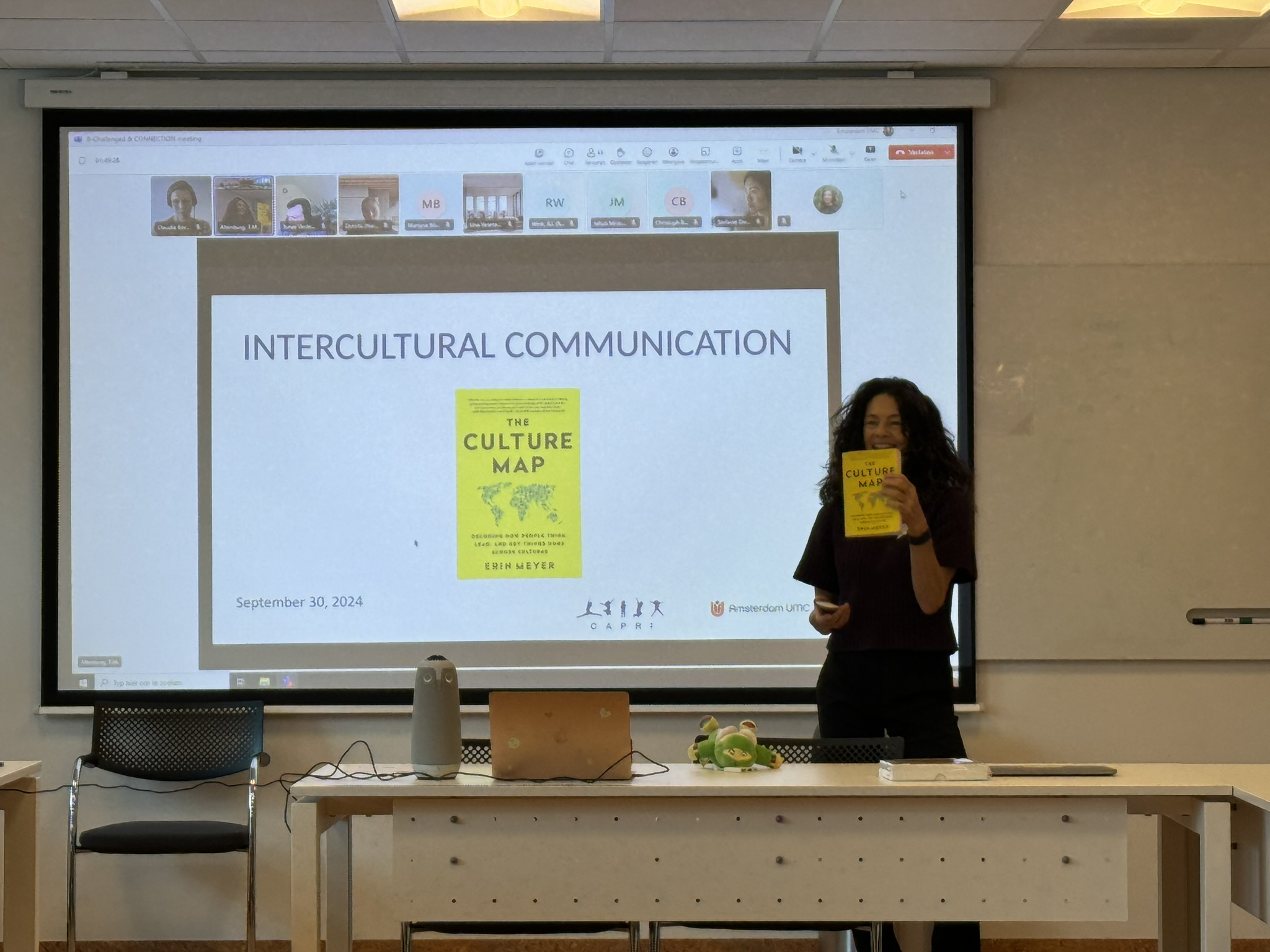
As part of the session, Beatriz Teixeira from Porto (PT) and Eliza Andrejenko from Riga (LV) presented the results of the Connection Project, with the presence of Renée Wink from Amsterdam (NL) contributing to the discussion on the project’s findings and perspectives.
The meeting also included a training session on how to effectively communicate scientific results and deliver impactful presentations, supporting early career researchers in strengthening their scientific communication skills.
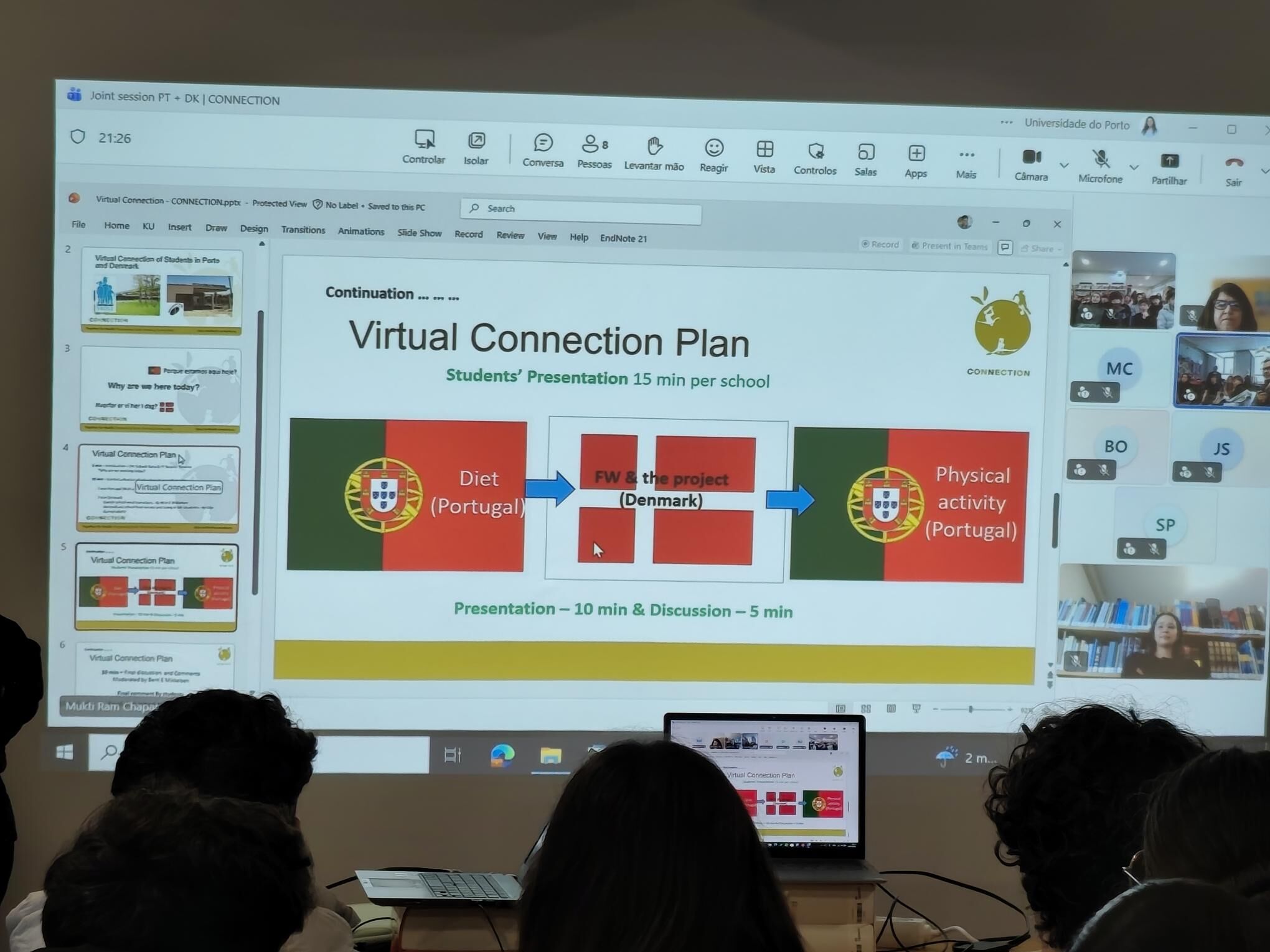
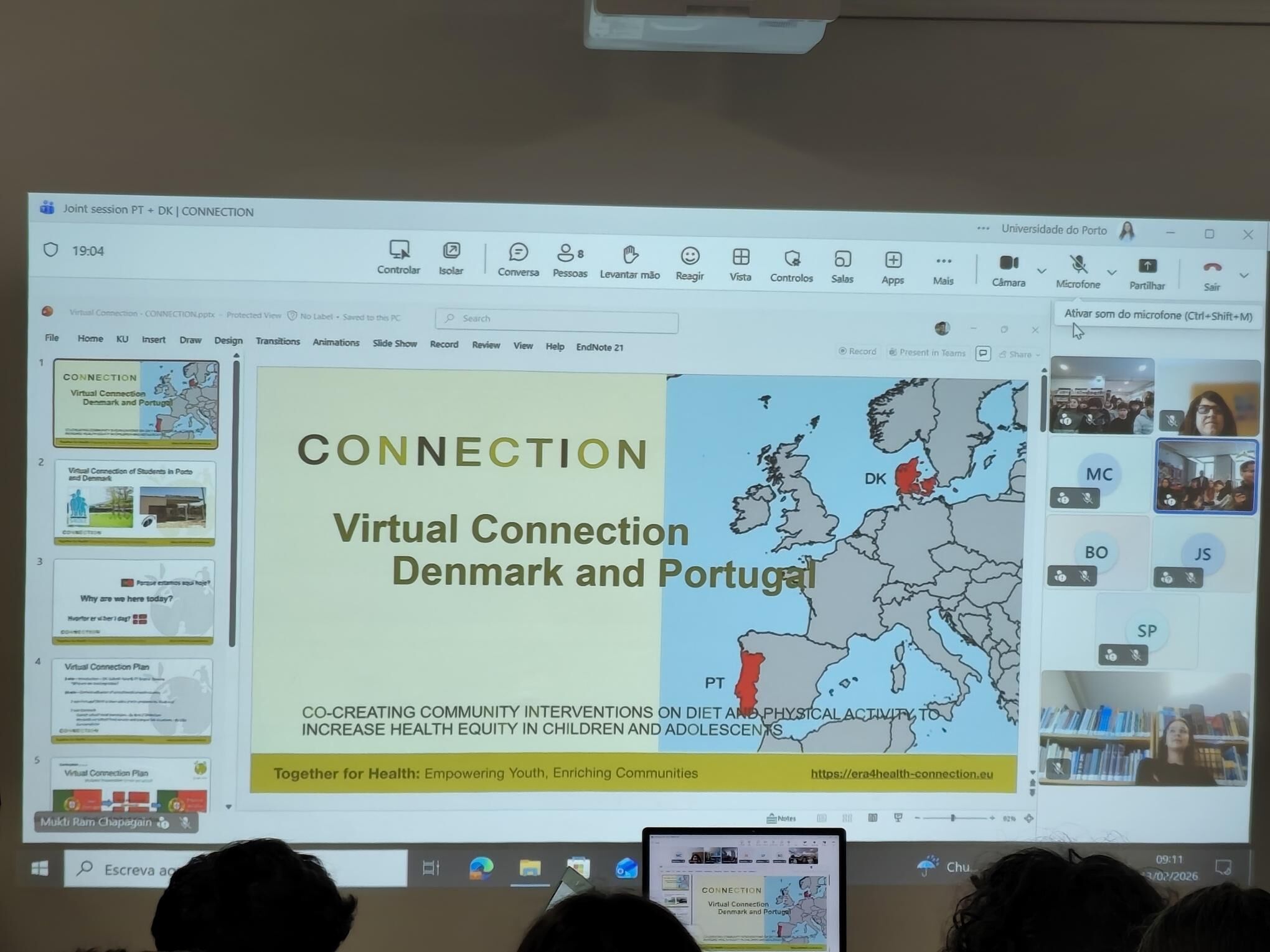
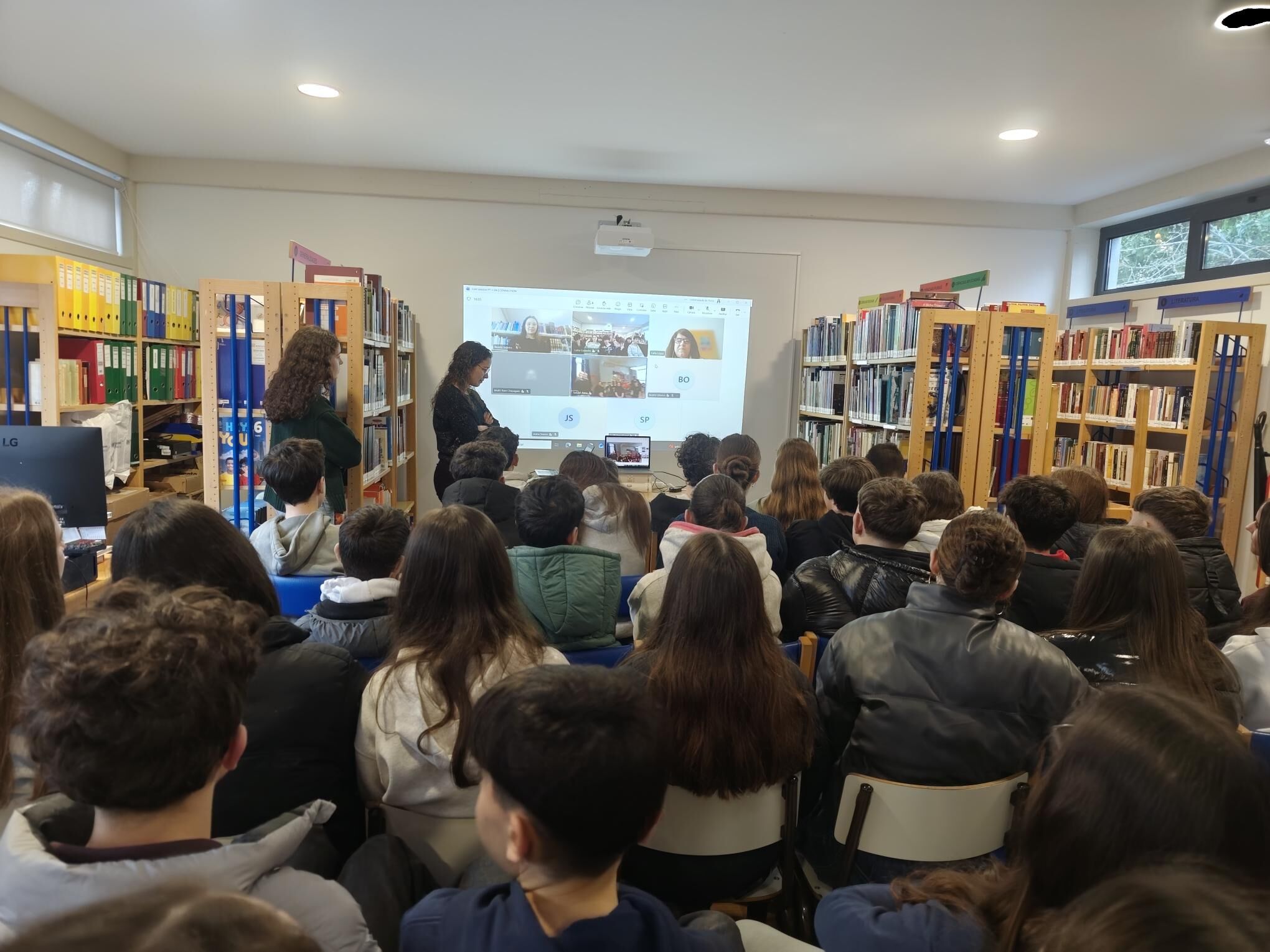
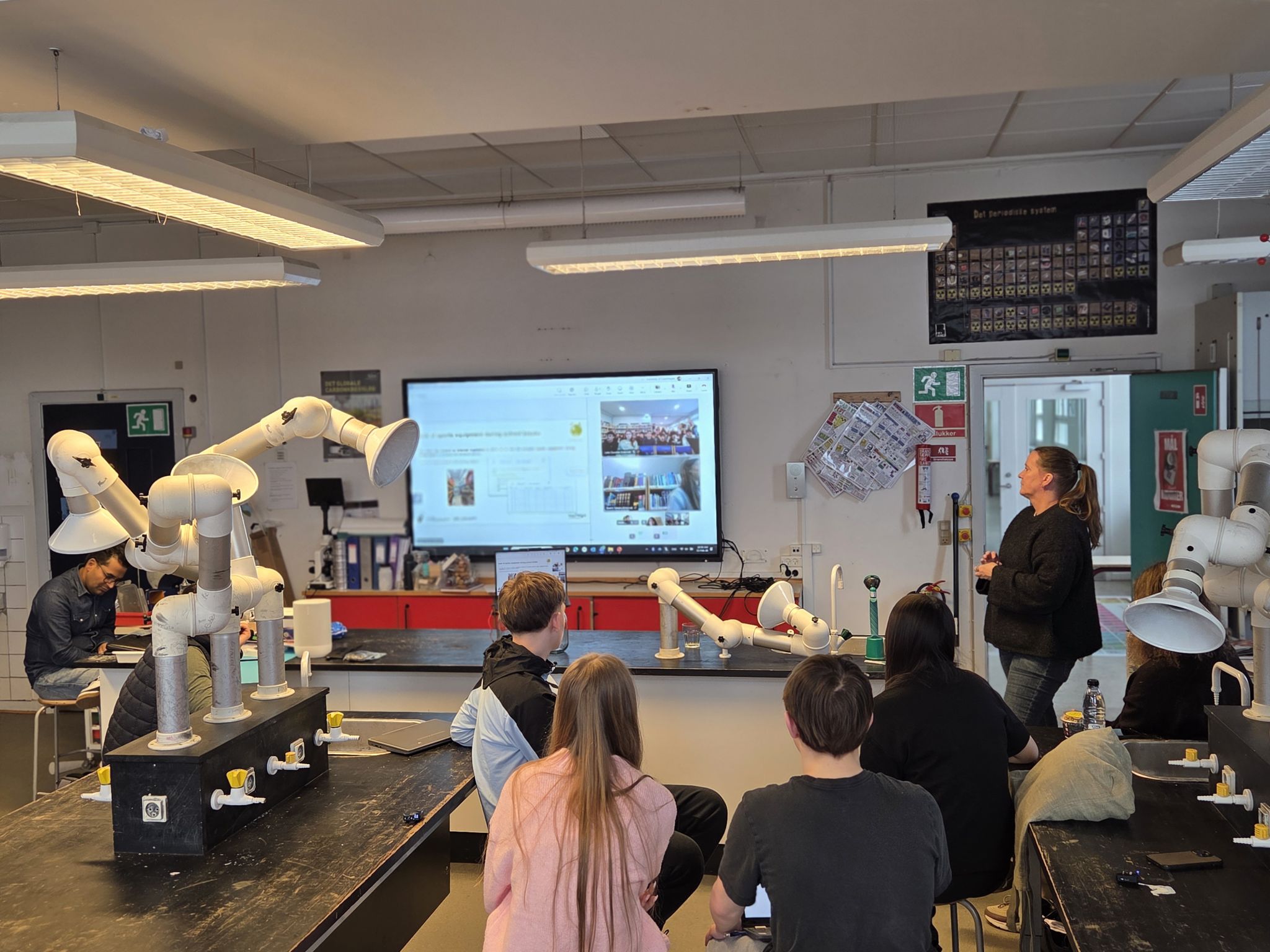
🌍✨ In February, we made CONNECTION across borders! ✨🌍
Young people from Portugal and Denmark came together in a joint virtual session to share what is being developed within the CONNECTION project in their schools.
👩🎓👨🏫🔬Through meaningful dialogue, students, teachers, and researchers shared learning, exchanged ideas and perspectives, and built lasting connections in a truly enriching moment of collaboration.
💡 This experience reinforced something we deeply believe in: when young people are involved from the very beginning, the impact is stronger and the results are long-lasting.
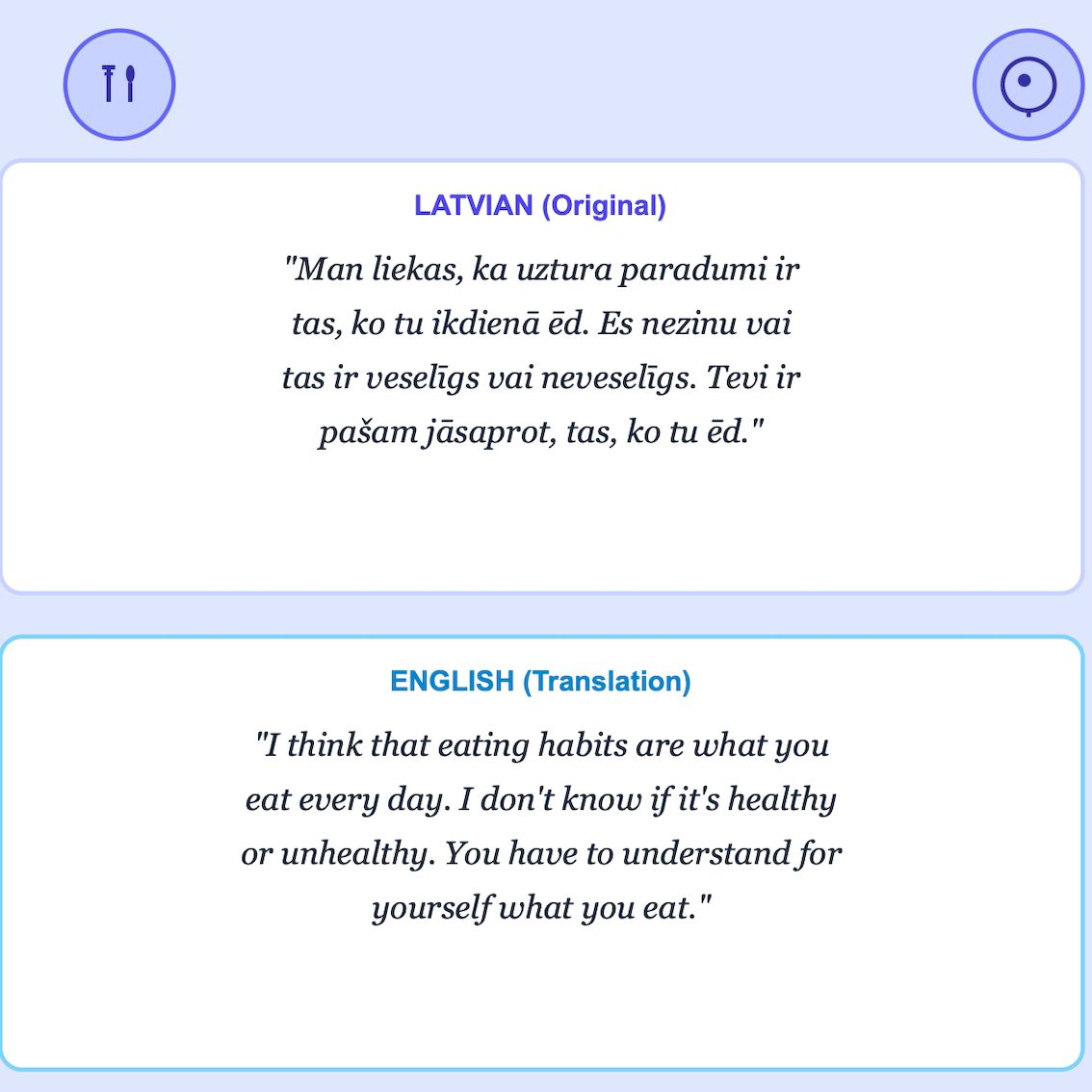
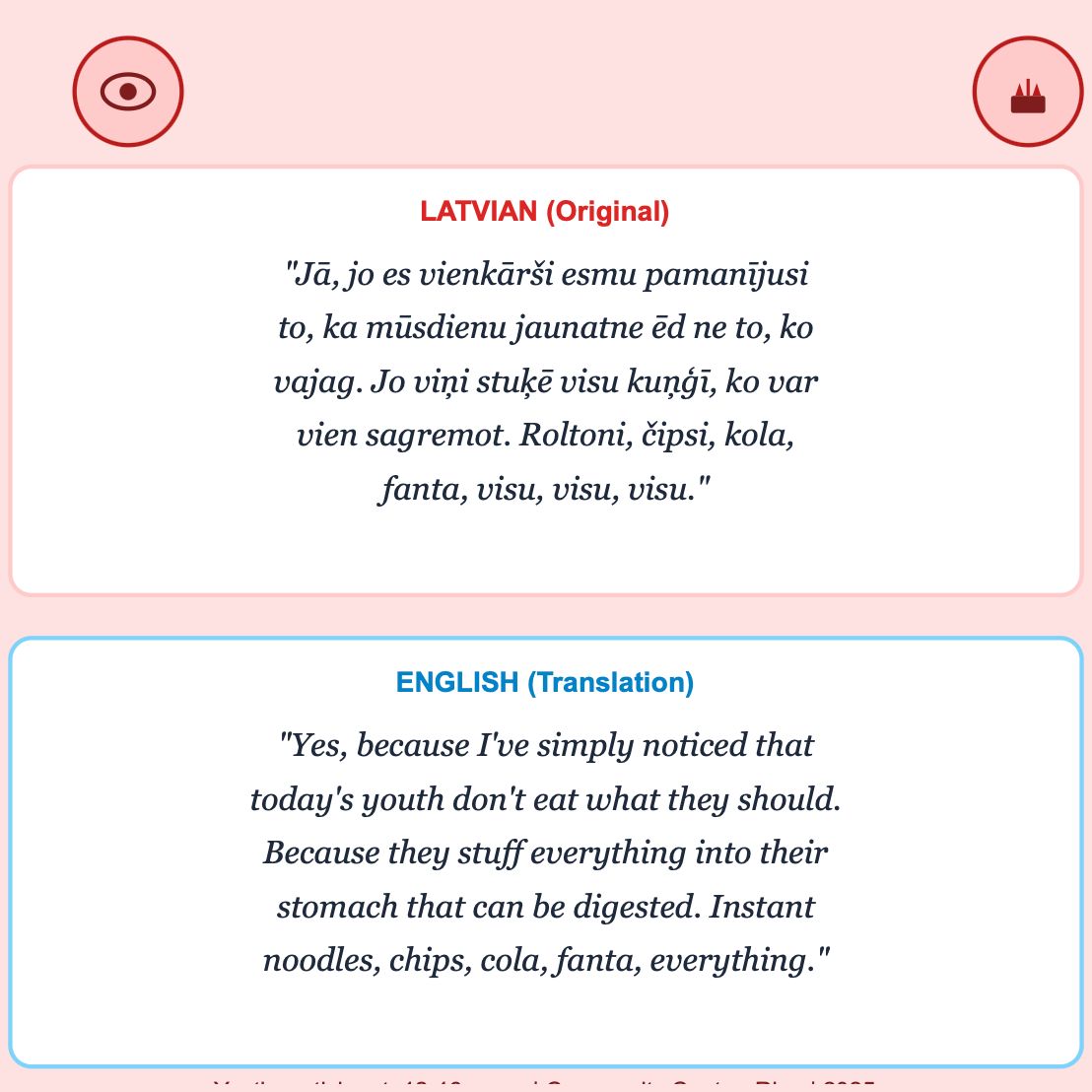
Youth Voice: Everyday Reality
“I used to do that sometimes when I went to the community centre, I had half an hour, I ran to McDonald’s, just walked down the street and ate.”
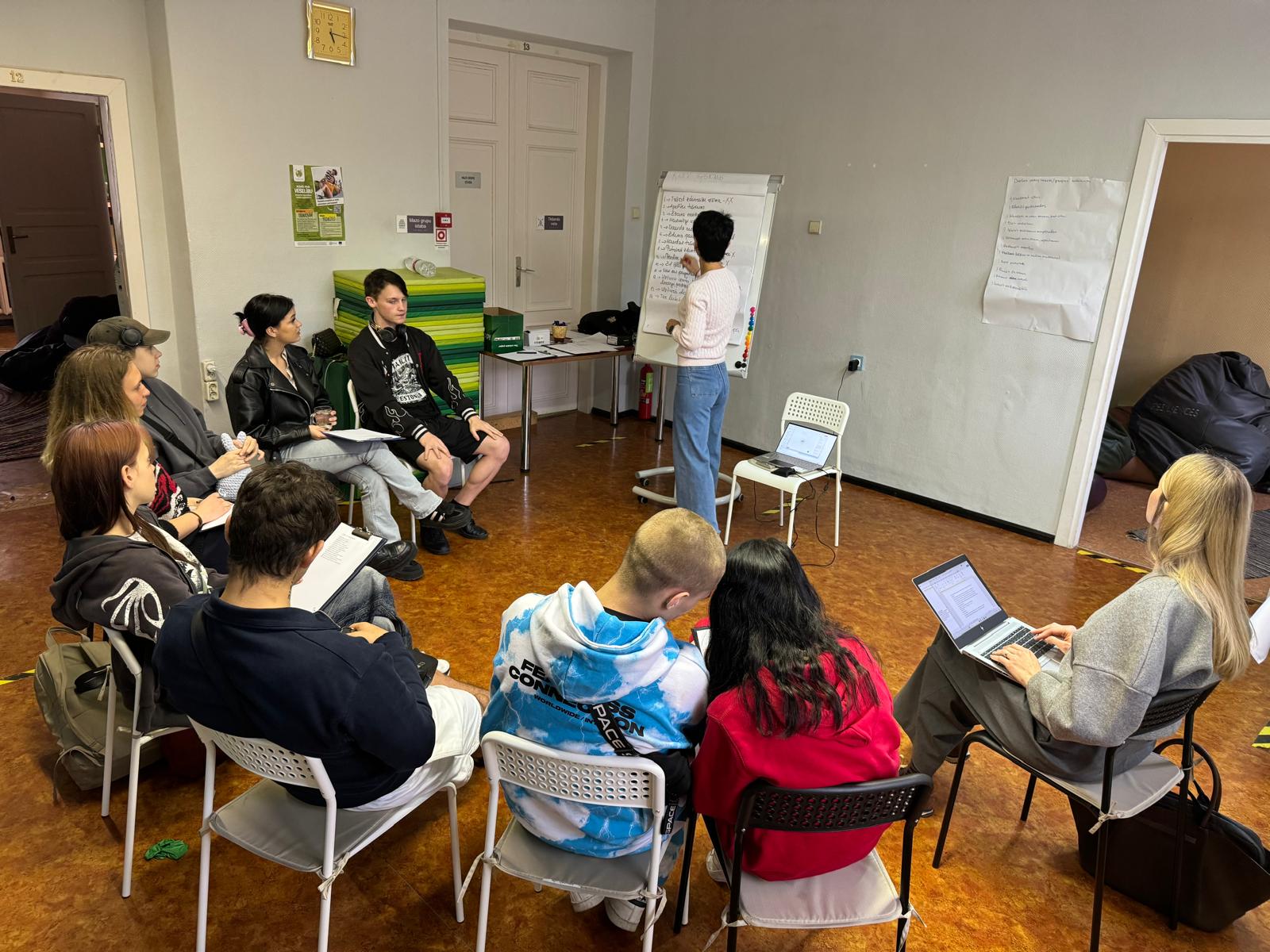
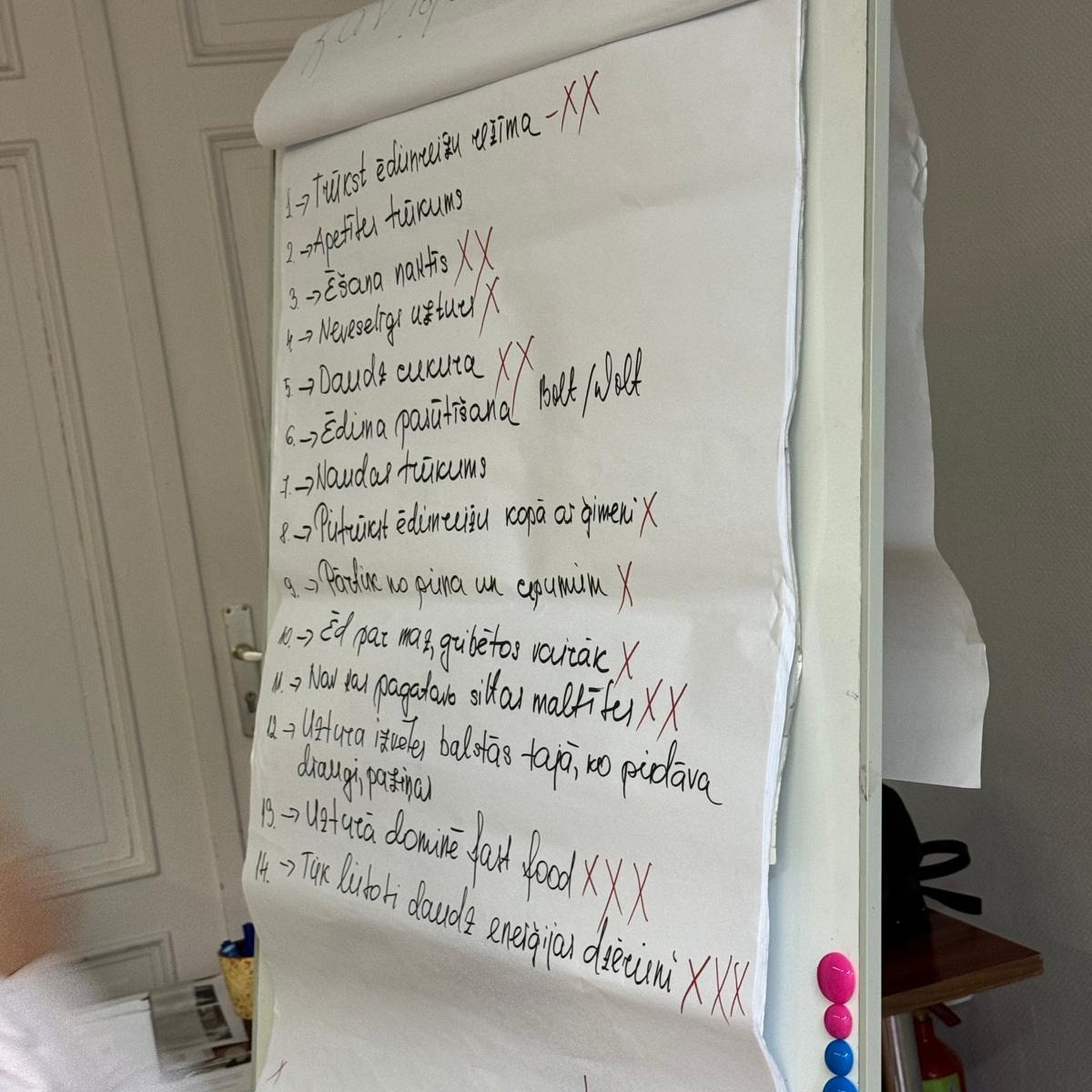
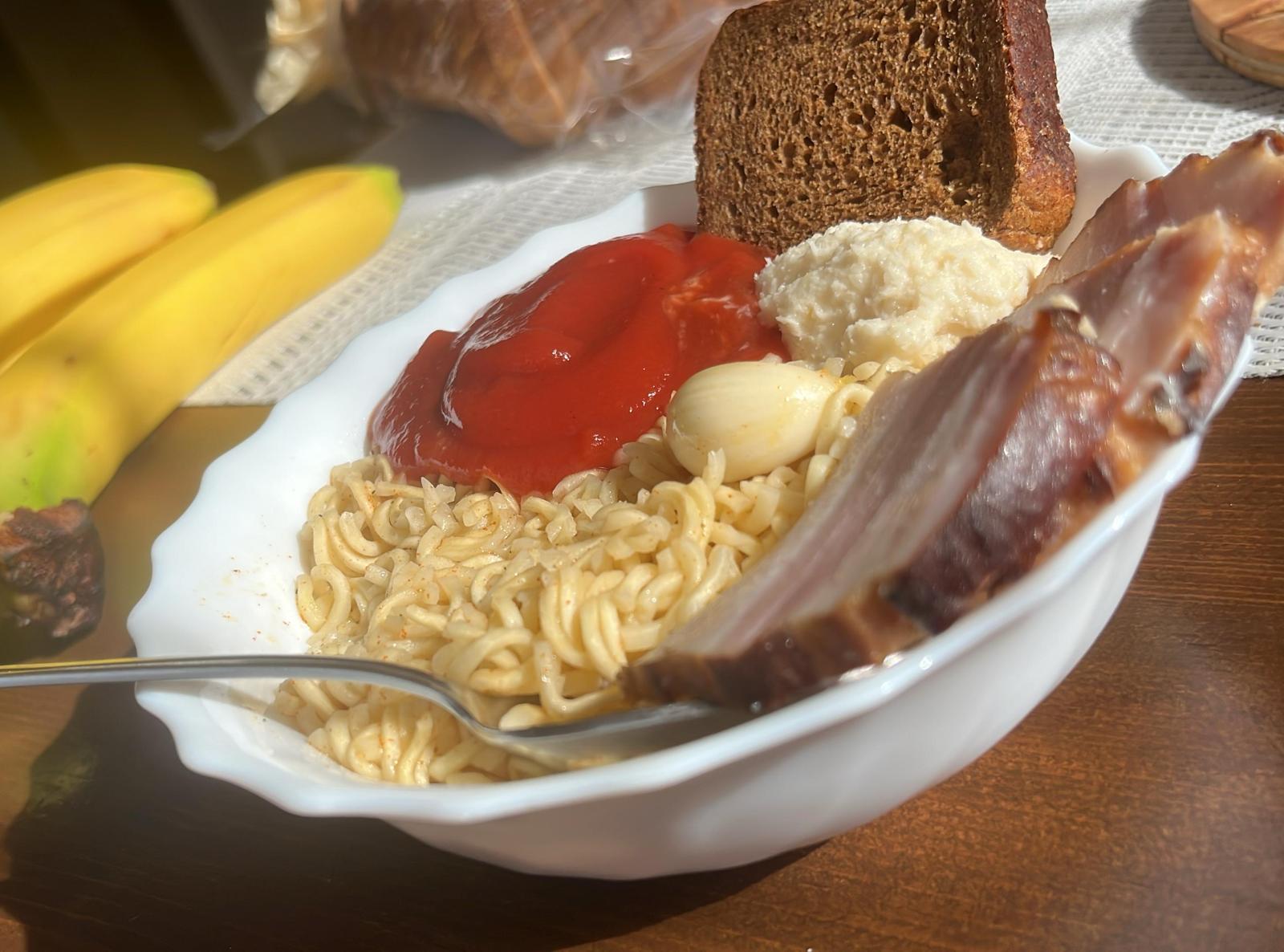
This honest story from our co-creation session with young people at the “Resiliences Avots” reveals an everyday reality – between school, after-school activities, and dance classes, they often simply don’t have time to stop and eat properly.
When daily life is packed with activities, quick solutions become the norm.🏃♀️🏃🏃♂️
What do you think – how can we help young people choose healthier options without asking them to sacrifice their time?🍏🍐🍊
In Denmark, the co-created interventions with adolescents have already started! 🎉
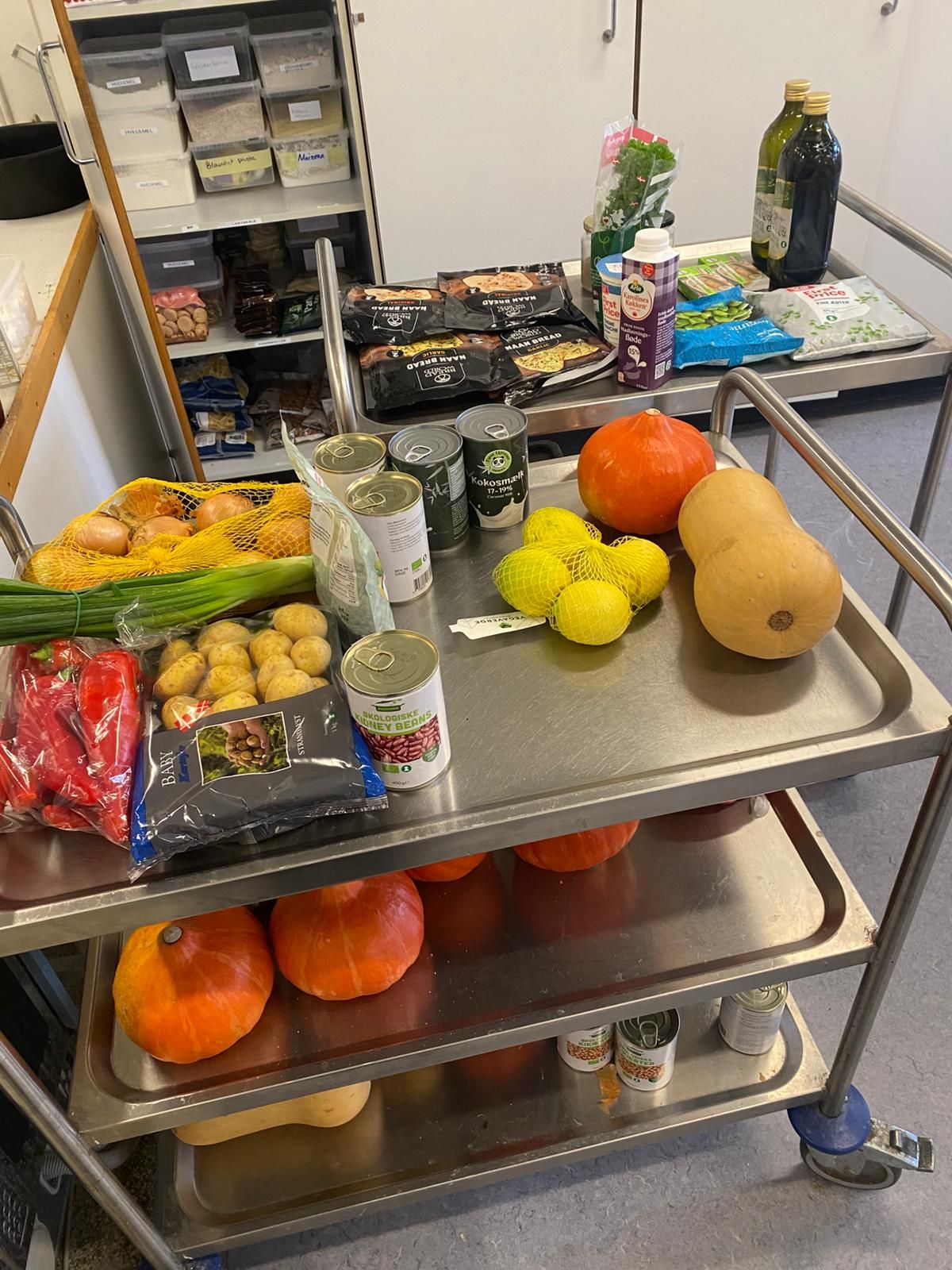
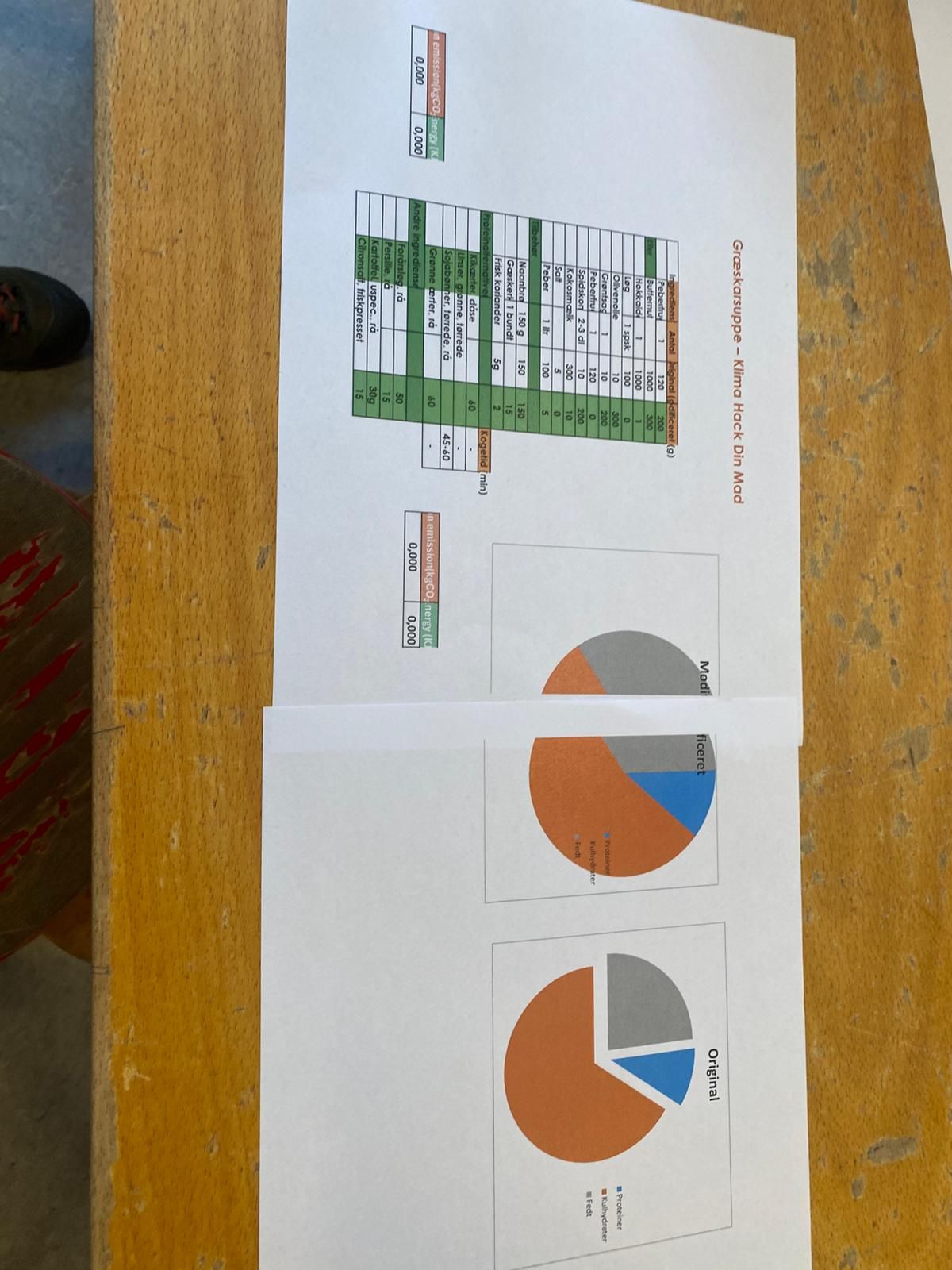
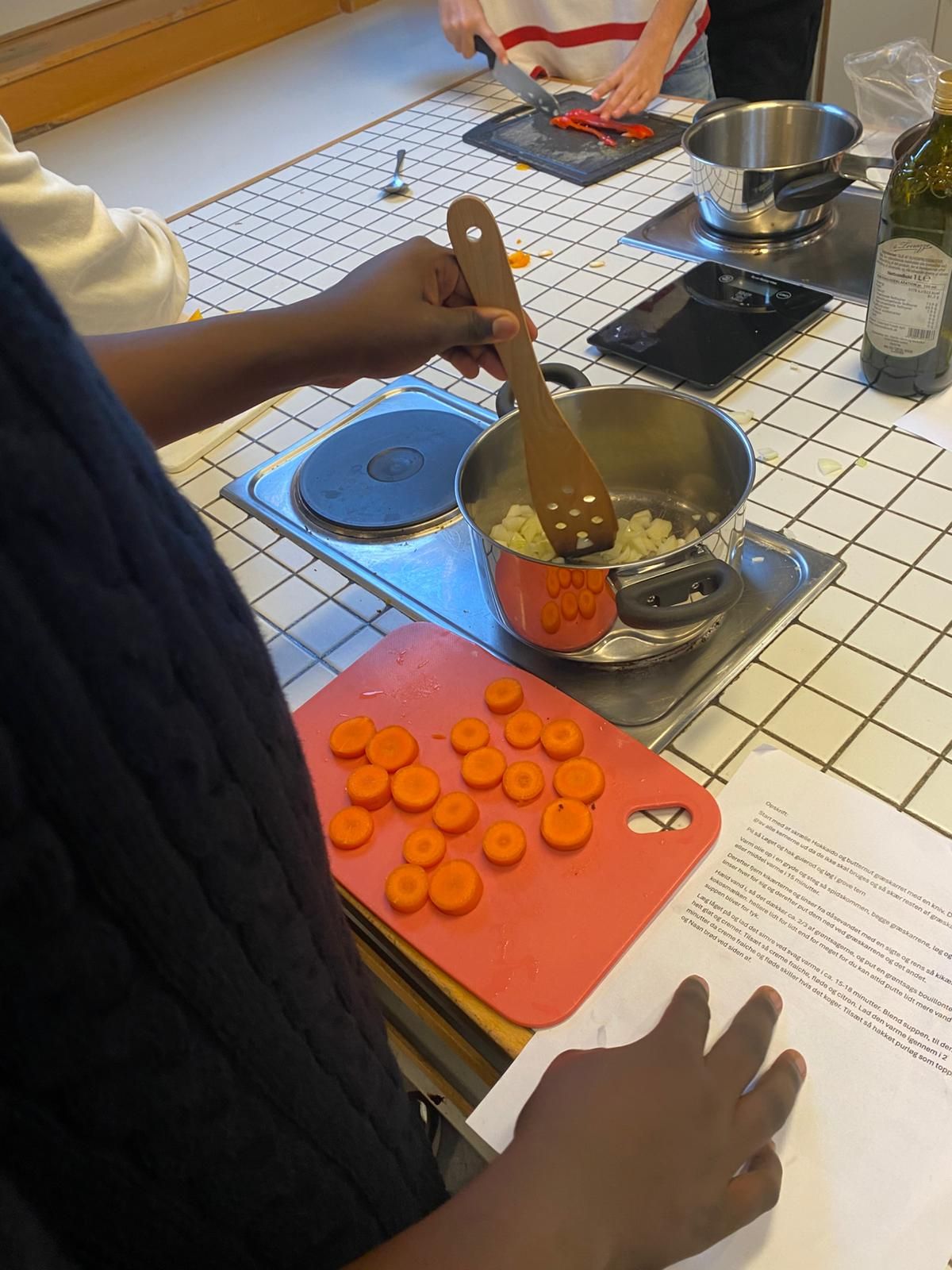
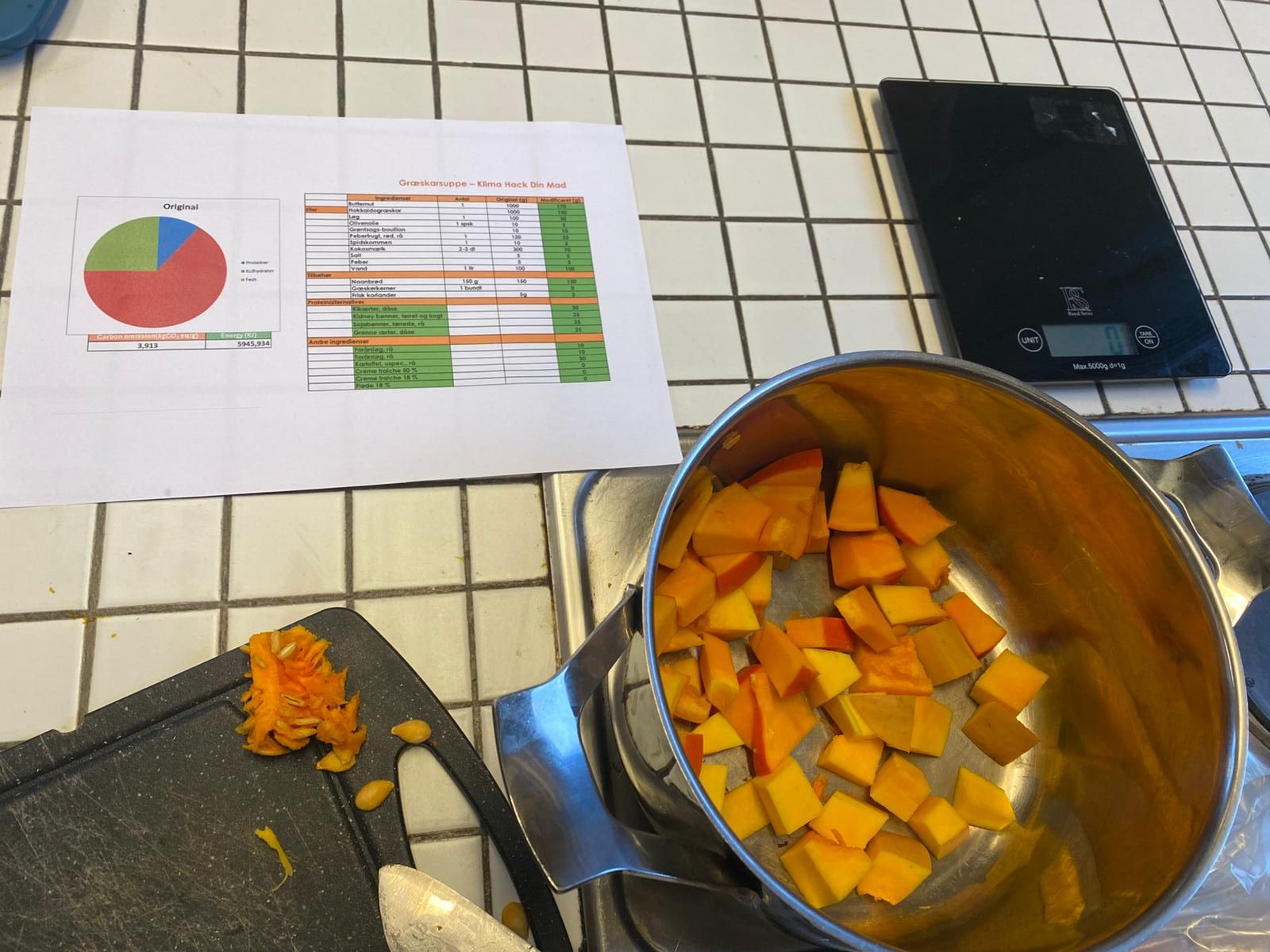
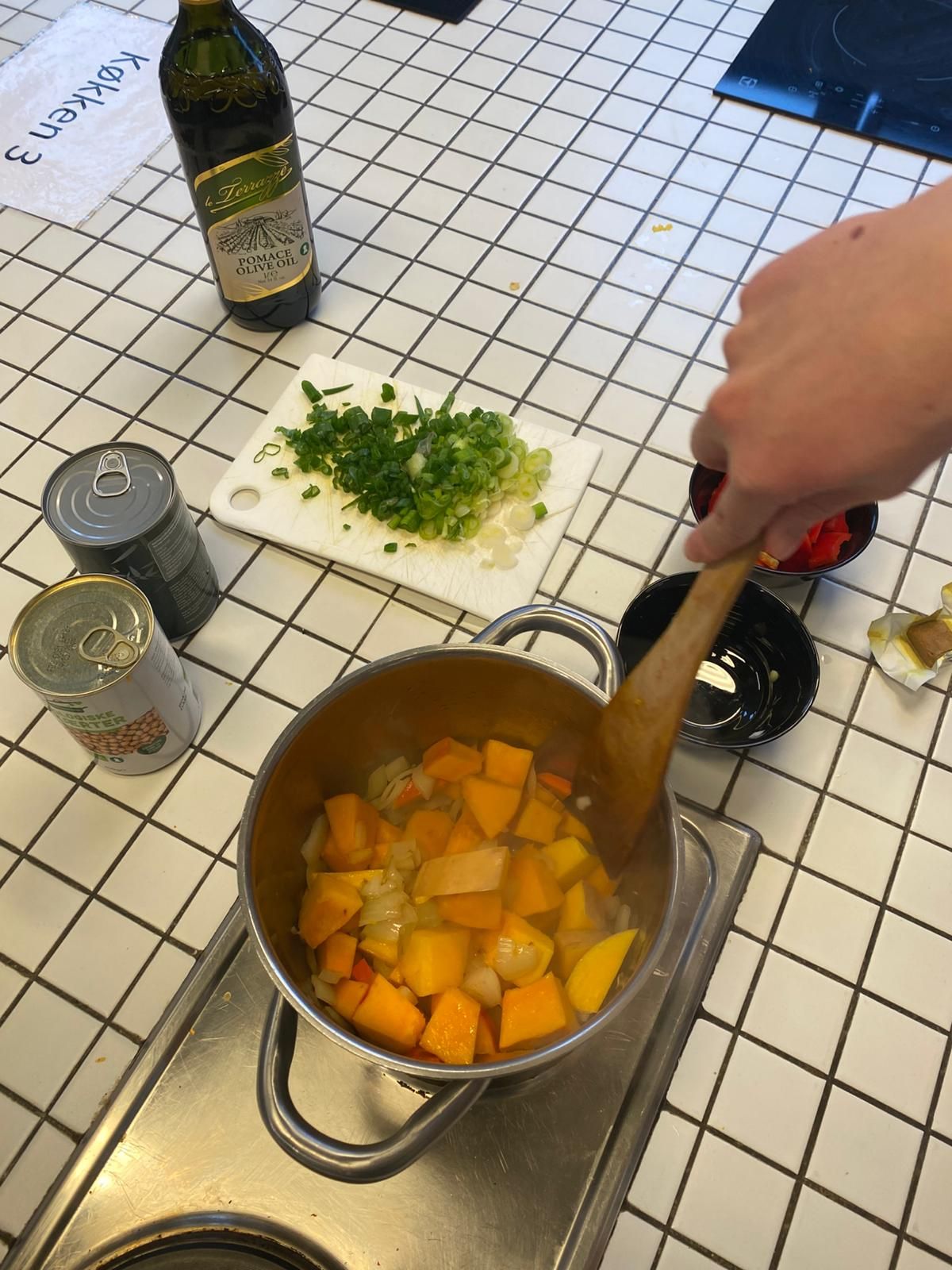
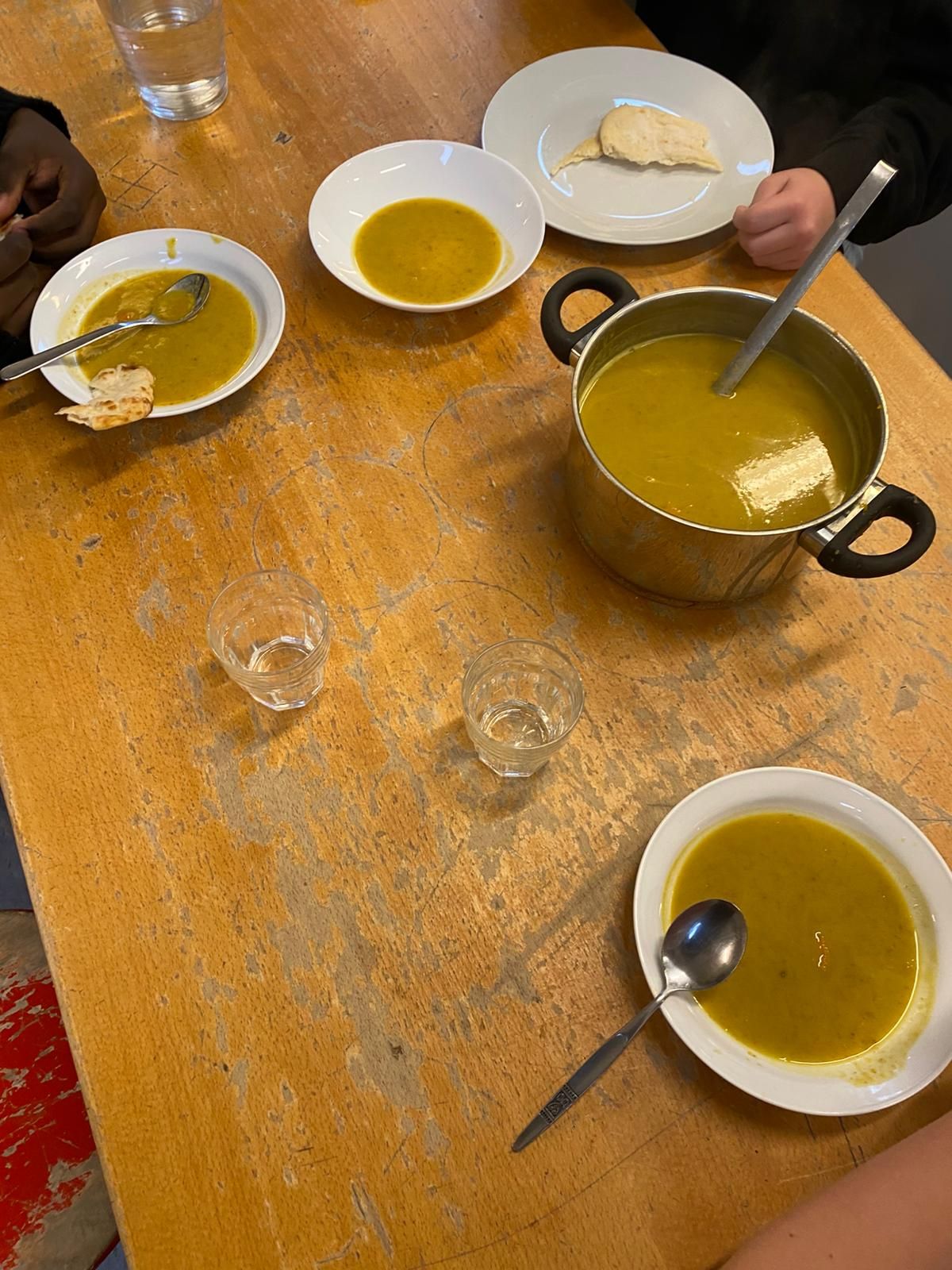
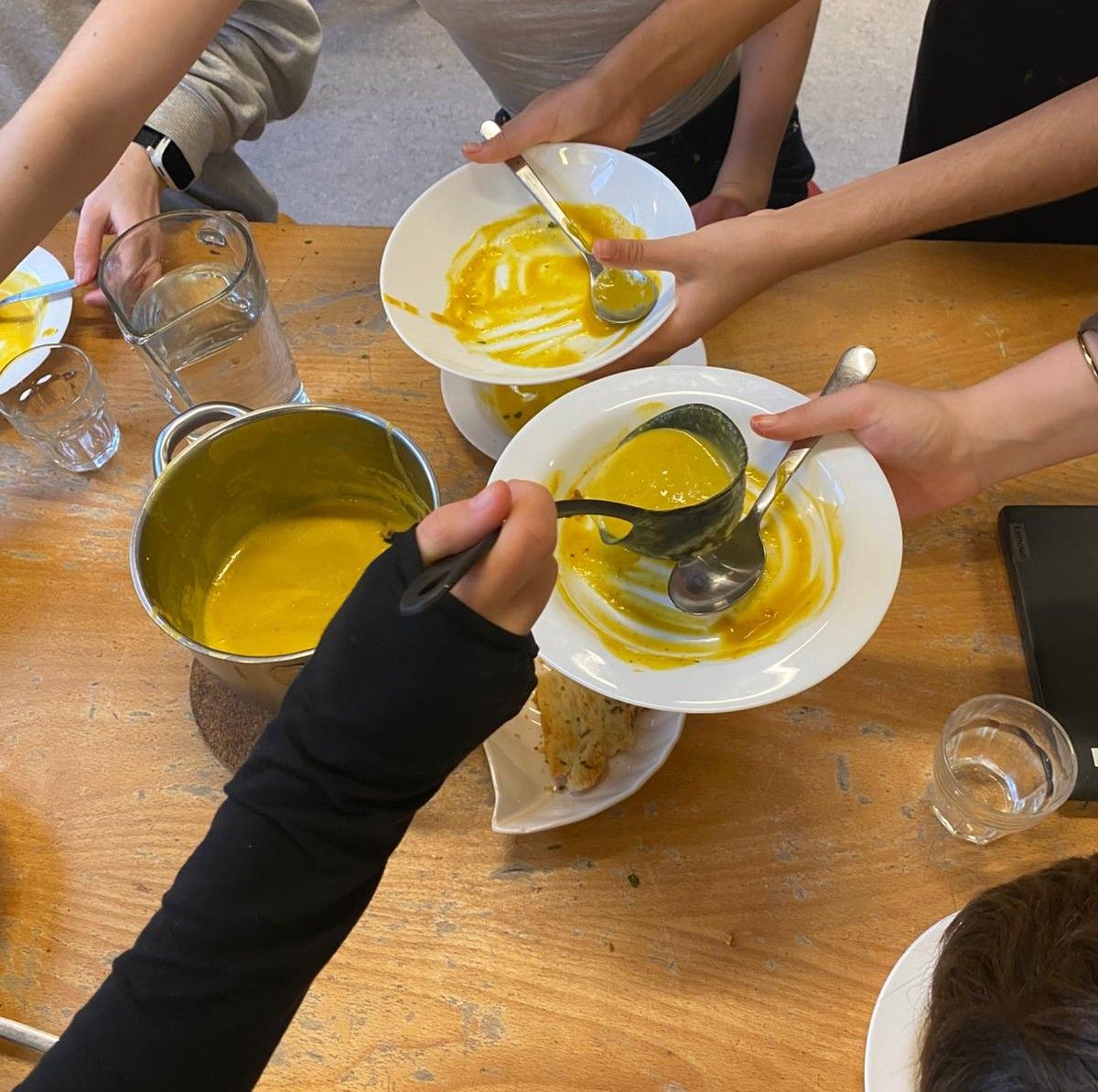
At Lindevang School in Copenhagen, with the support of teacher Frederikke Zacho, young participants are co-creating recipes and learning how to eat and cook in a healthy and environmentally sustainable way. 🌱👩🍳
They are adapting recipes to stay healthy while reducing their environmental footprint and then get the chance to taste their own creations and those of their classmates, followed by a fun group discussion. 🥗💬
This month’s they cooked Pumpkin Soup! 🎃🍲
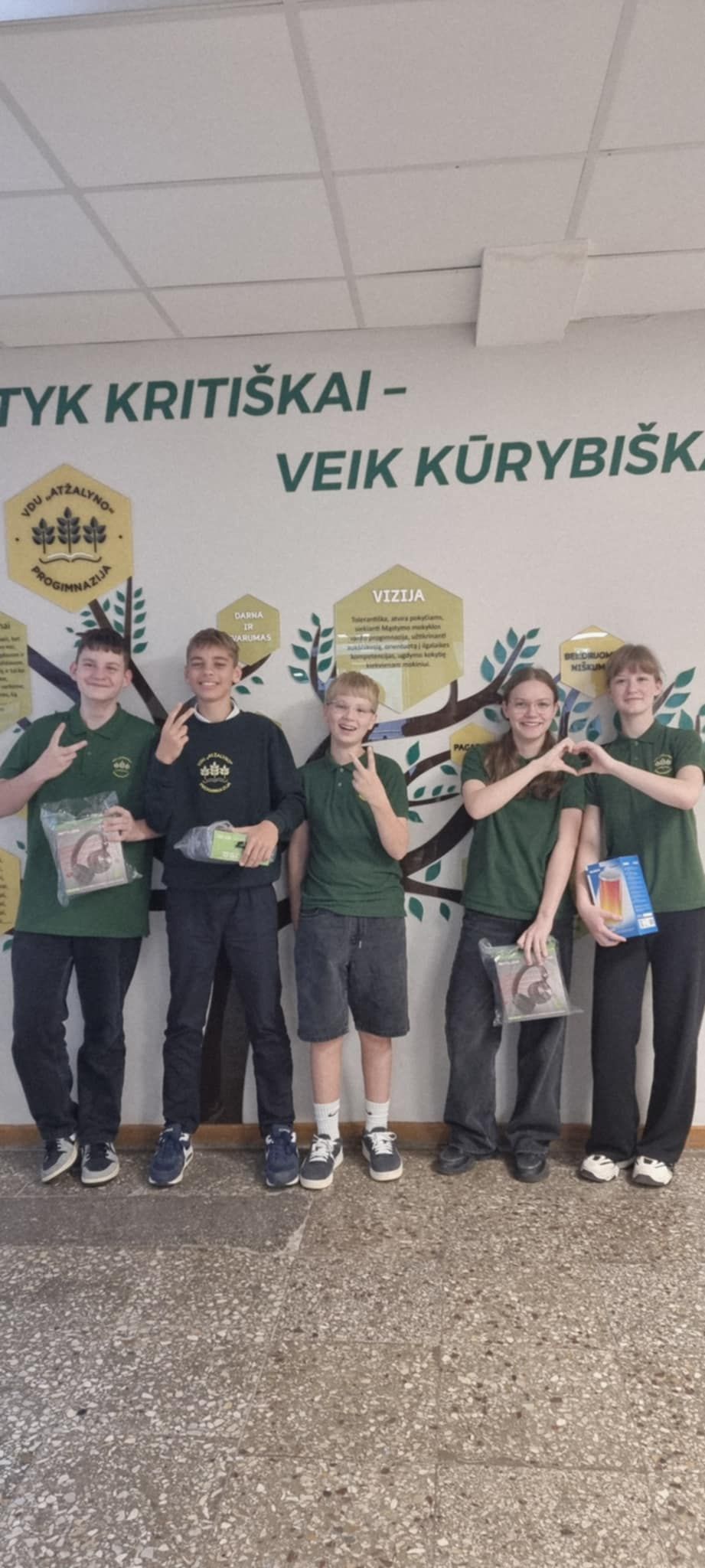
Vytauto Didžiojo universitetas researchers met with the curious and motivated students of Atžalynas progymnasium! 🌿📚✨
During the meeting, we talked about how science is connected to everyday life, why curiosity and asking questions matter, and how teamwork helps turn ideas into real projects. 🚀💡
It was an inspiring time full of discoveries, laughter, and new experiences — proving that learning can be exciting both inside and outside the classroom. 🤝🎓🌟
As part of our commitment to supporting Early Career Researchers (ECRs), CONNECTION is fostering international collaboration through mobility missions across Europe.
In May 2025, our colleague Marjolijn Vos, from
Ghent University visited ISPUP | Instituto de Saúde Pública da Universidade do Porto in Porto, Portugal, to:
• Exchange expertise and strengthen collaboration
• Align next steps for WP3 activities
• Gain valuable international and interdisciplinary experience
Outcomes: A concrete plan for CONNECTION Work Package 3, stronger ties between partners, and enhanced career development opportunities for ECRs.
Looking ahead: The next mission is planned for November 2025 in Copenhagen, Denmark, with Beatriz Teixeira (PT). Stay tuned for more updates!
From February to June 2025, we facilitated 6 participatory action research (PAR) sessions at Duo² vocational school in Ghent University, working with students aged 14-18 from the Project-T program.
What Worked:
Photovoice walks combining creativity, movement & gamification
Short interactive formats
Activities with autonomy and friendly competition
Key Lessons:
Co-creation needs structure, not just open space
Predetermined topics and non-voluntary participation reduced engagement
Group dynamics and peer hierarchies shaped participation
Abstract tasks required more scaffolding
Shorter sessions with concrete language work best
Main Takeaway: Working WITH vulnerable youth requires flexibility and real-time adaptation. The process was imperfect but instructive – exactly what participatory research should be.
Over the past months, researchers from the Connection project — including Sara C., Catarina Carvalho, Rita Pereira, Catarina Campos Silva, Sofia Vilela, Sarah Warkentin, Sandra Andrusaityte, Costanza Pizzi, Maja Popovic, Silvia Maritano, and Xhesika H. — have been hard at work harmonizing variables to ensure their comparability across multiple European cohort studies, including ABCD studie (The Netherlands), Generation XXI (Portugal), INMA (Spain), KANC (Lithuania), and NINFEA (Italy).
🌍 Why does this matter?
Because harmonization allows the Connection project to use data from multiple cohort studies to better understand how environmental factors (such as walkability of the neighborhood or accessibility to green spaces) influence children’s and adolescents’ eating habits and physical activity patterns across Europe.
🔄 What exactly is data harmonization?
When studies from multiple countries join forces, combining data presents unique challenges. Differences in data collection methods and varying contextual outcomes can make harmonization complex. Take physical activity, for example: soccer and field hockey might be popular youth sports in some countries, while basketball leads the way in others which may result in different physical activity scores. Within the Connection project, the team has been carefully working on integrating and standardizing these key variables to ensure they are comparable across different datasets. In essence, harmonizing data means aligning variables, definitions, and formats so we can analyze them as one powerful dataset.
🧩 What does it add?
This complex work allows us to join forces with other cohorts unlocking insights that no single study could reveal on its own.
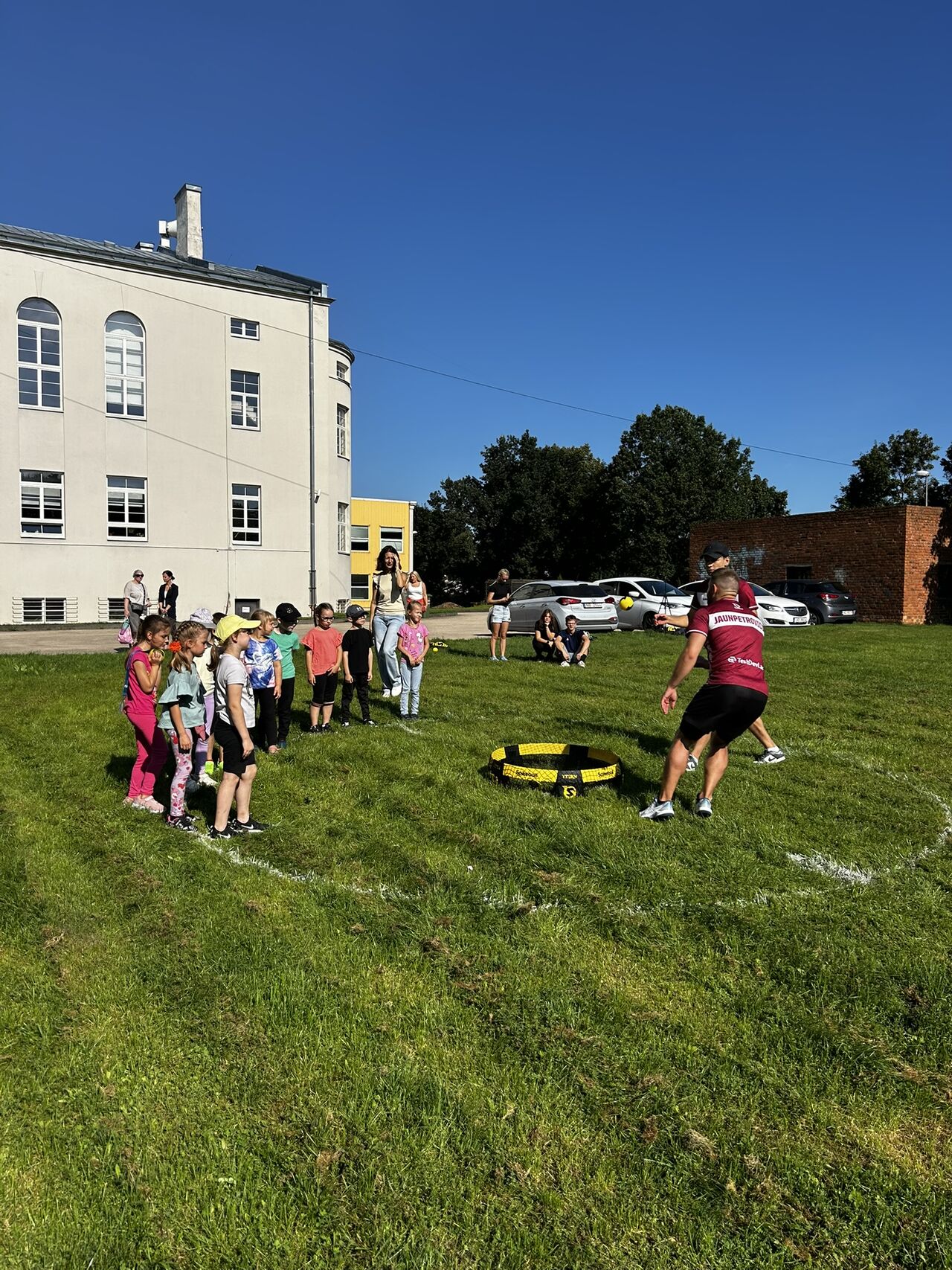
As part of the Connection project, an introduction to roundnet was held on September 5 at Riga Bolderaja Primary School, which was a great opportunity to learn about new sports and improve your skills with the help of the Latvian Roundnet Federation.
This event served as an excellent platform for forming new friendships and developing a new sport.
Thank you to all the participants and organizers! Let’s keep moving and improving ourselves every day!
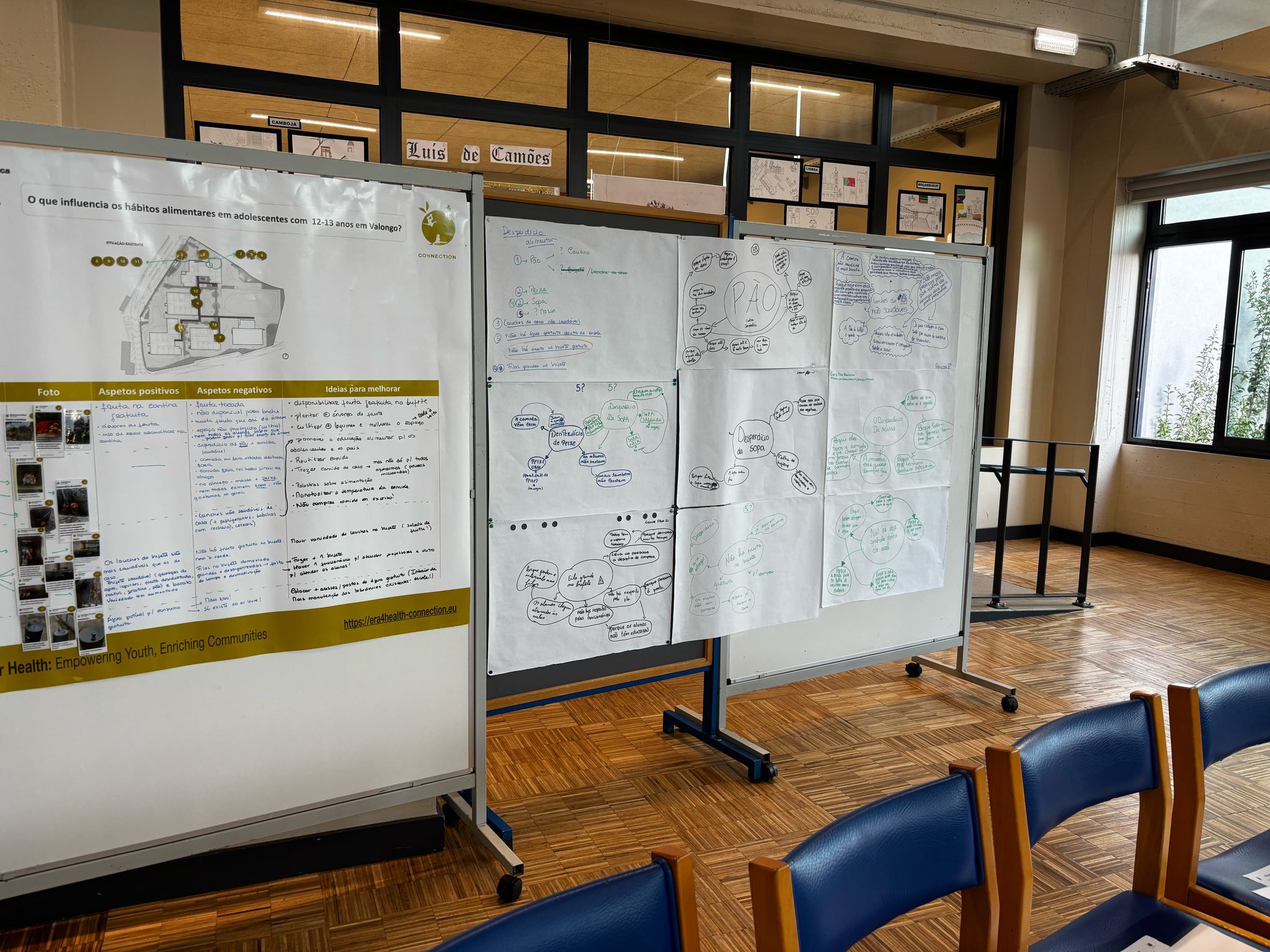
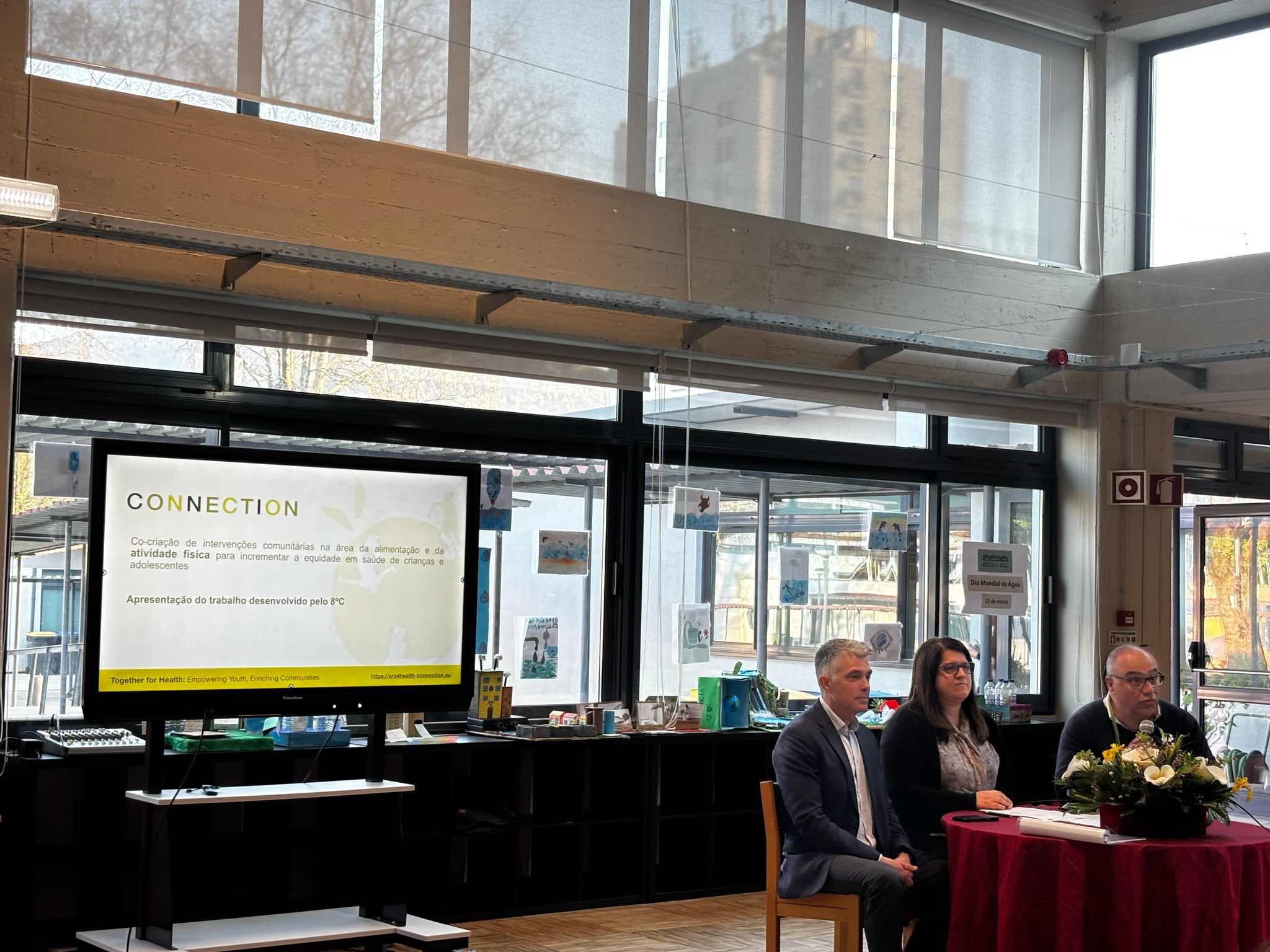
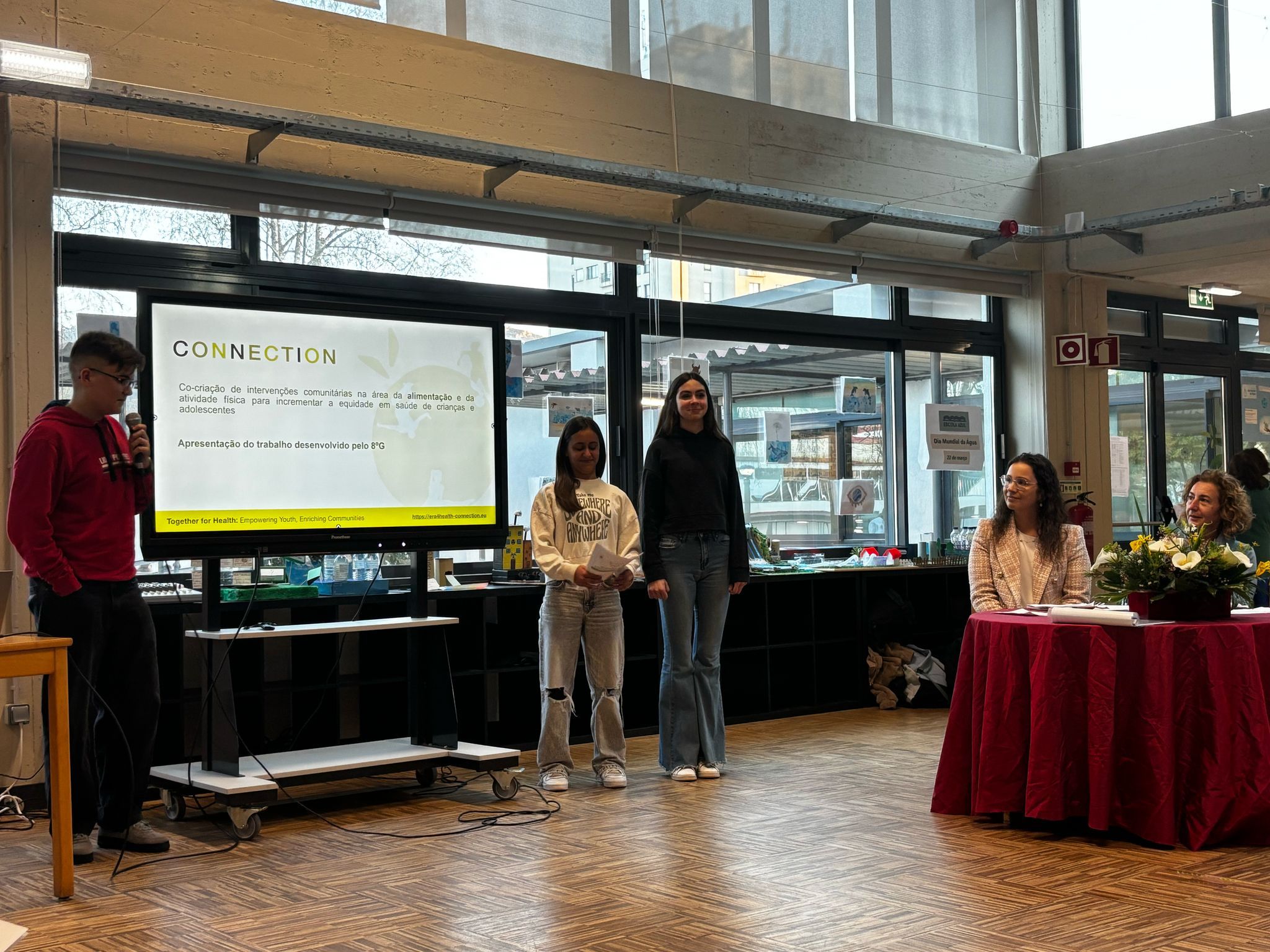
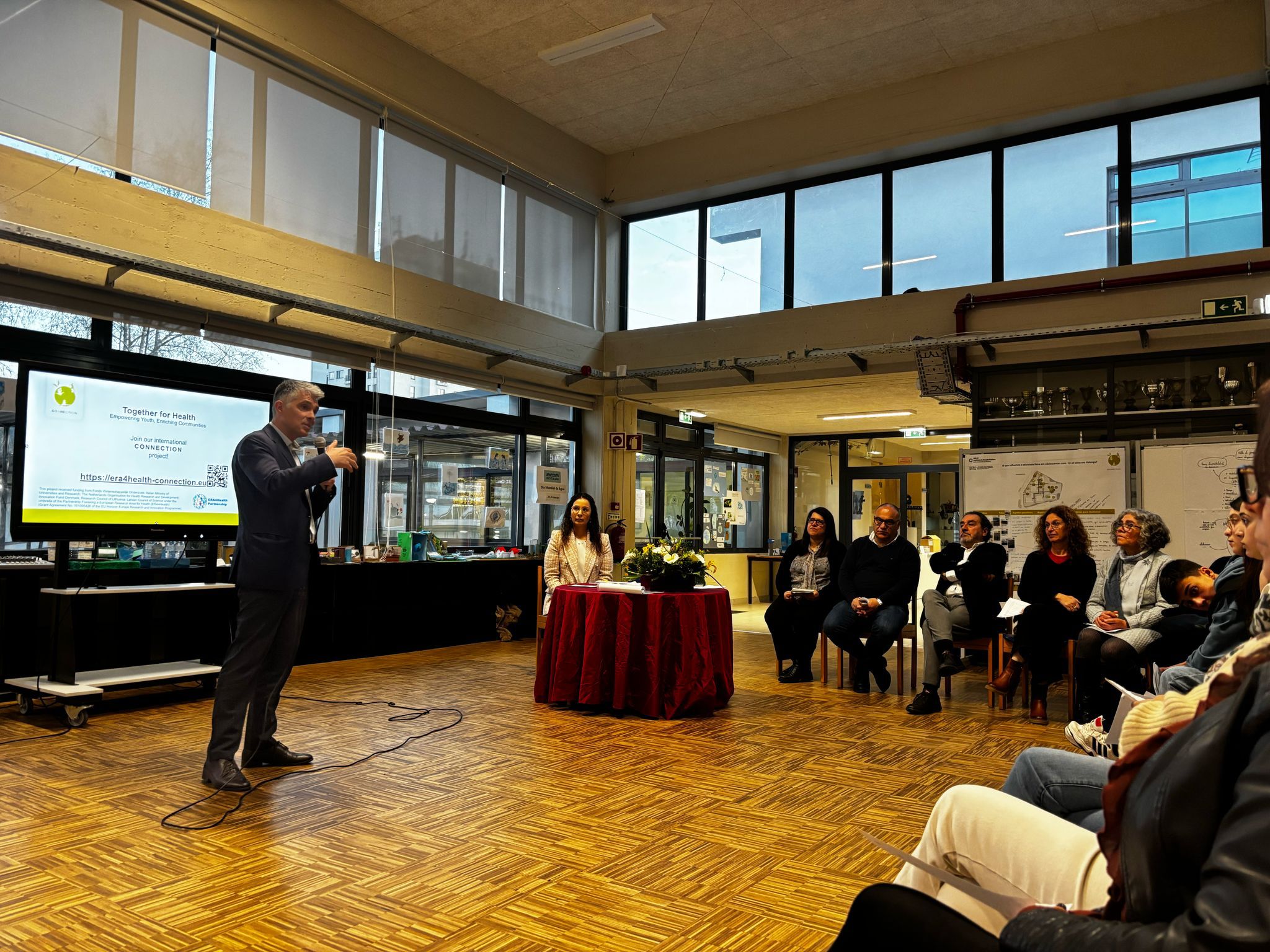
During the months of June and July, the Portuguese team of the CONNECTION project had the opportunity to work with youth from three different care homes through the association Movimento Transformers.
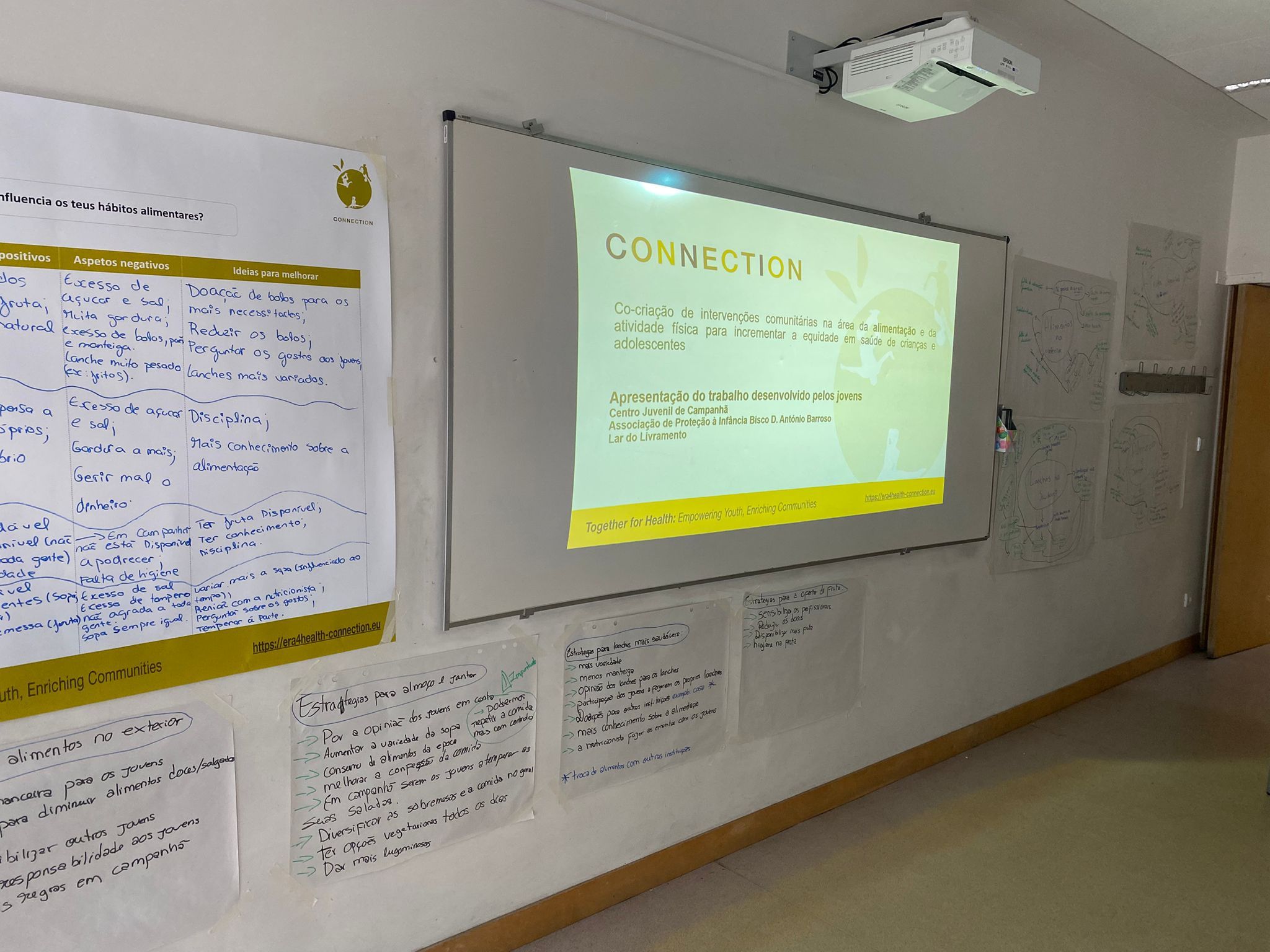
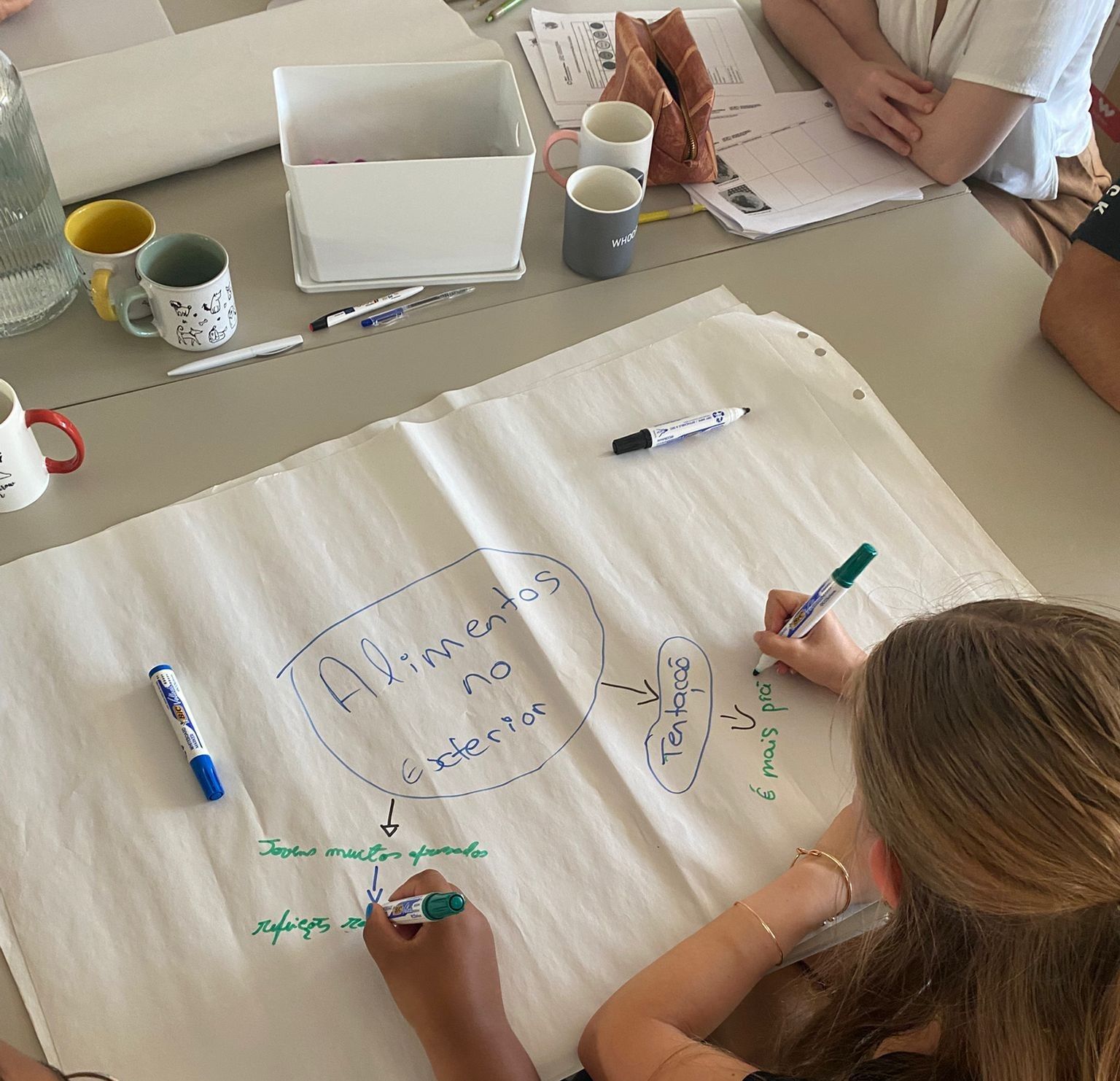
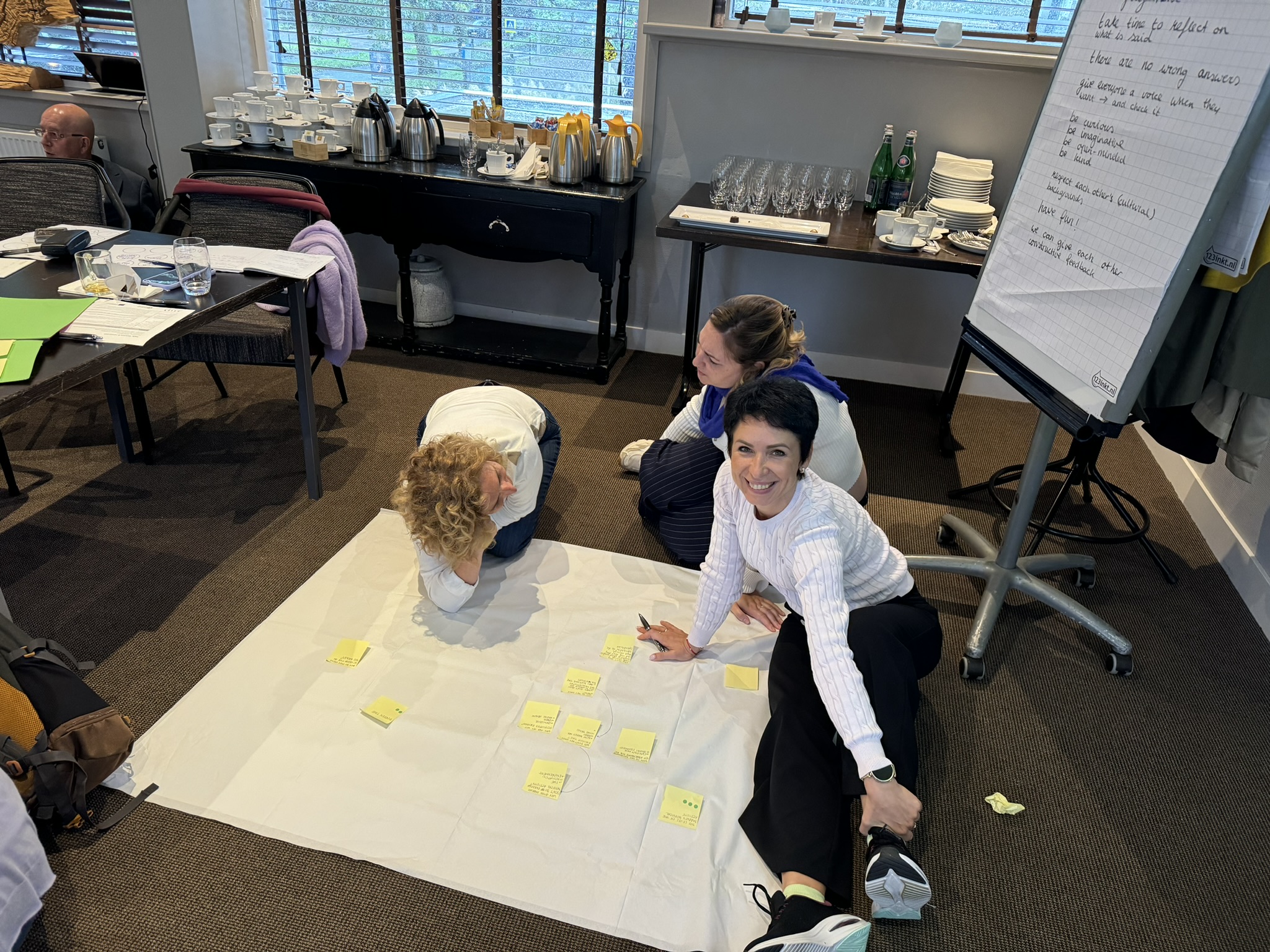
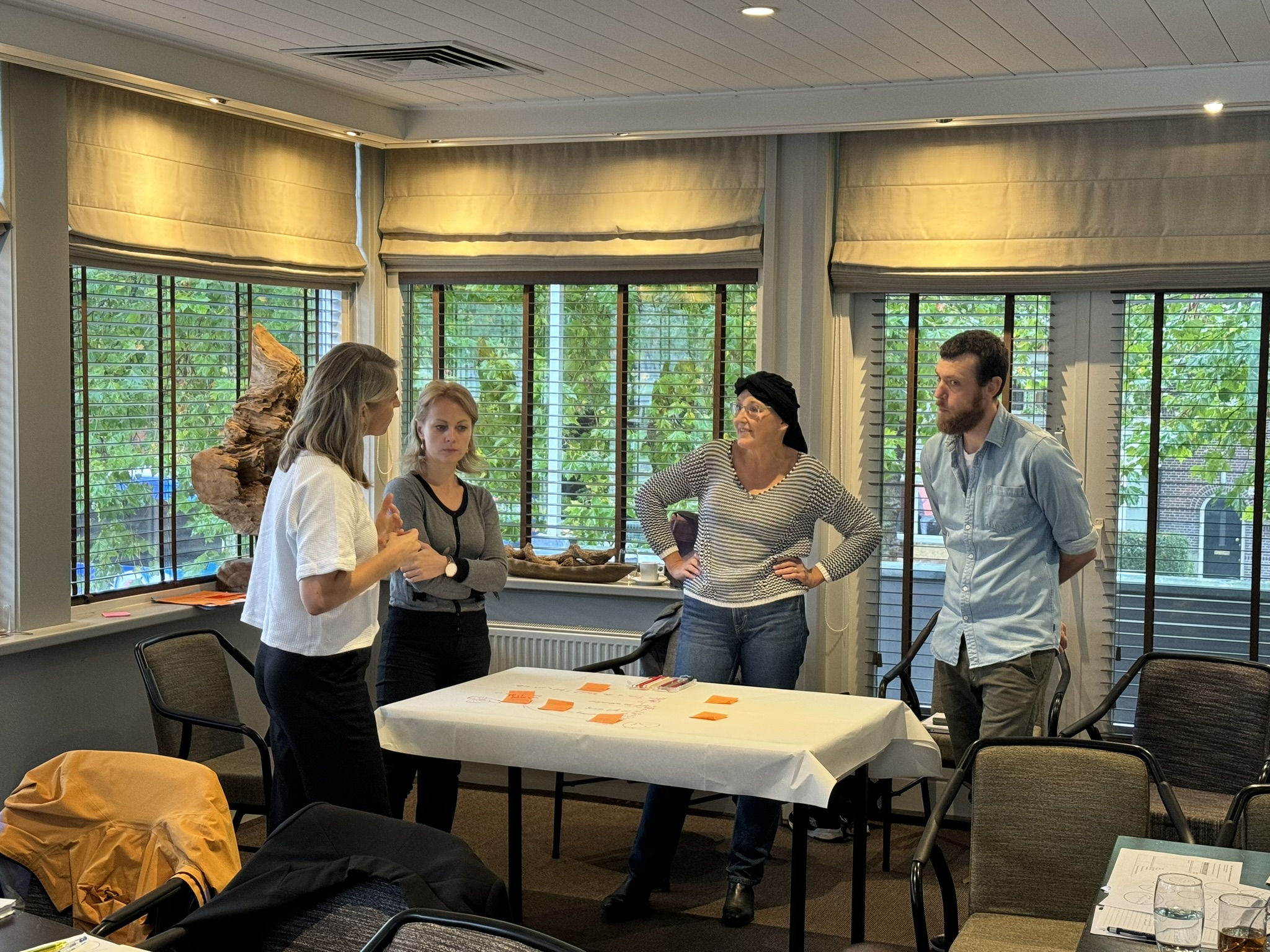
Together, six young people had the chance to identify, through co-creation, the main issues related to their diet, the root causes, and strategies to improve their eating habits in each of the care homes. On July 11th, they had the opportunity to present their work to representatives from each of the institutions and to Câmara Municipal do Porto.
Following the presentation, there was a very constructive and enriching exchange of ideas, where the adults shared their views on the impact and feasibility of the proposals presented.
During the months of June and July, the Portuguese team of the CONNECTION project had the opportunity to work with youth from three different care homes through the association Movimento Transformers.
Together, six young people had the chance to identify, through co-creation, the main issues related to their diet, the root causes, and strategies to improve their eating habits in each of the care homes. On July 11th, they had the opportunity to present their work to representatives from each of the institutions and to Câmara Municipal do Porto.
Following the presentation, there was a very constructive and enriching exchange of ideas, where the adults shared their views on the impact and feasibility of the proposals presented.
Last month, the Portuguese team of the CONNECTION project presented the data collected so far on two Portuguese schools at the biggest national congress on Nutrition and Food in Portugal.
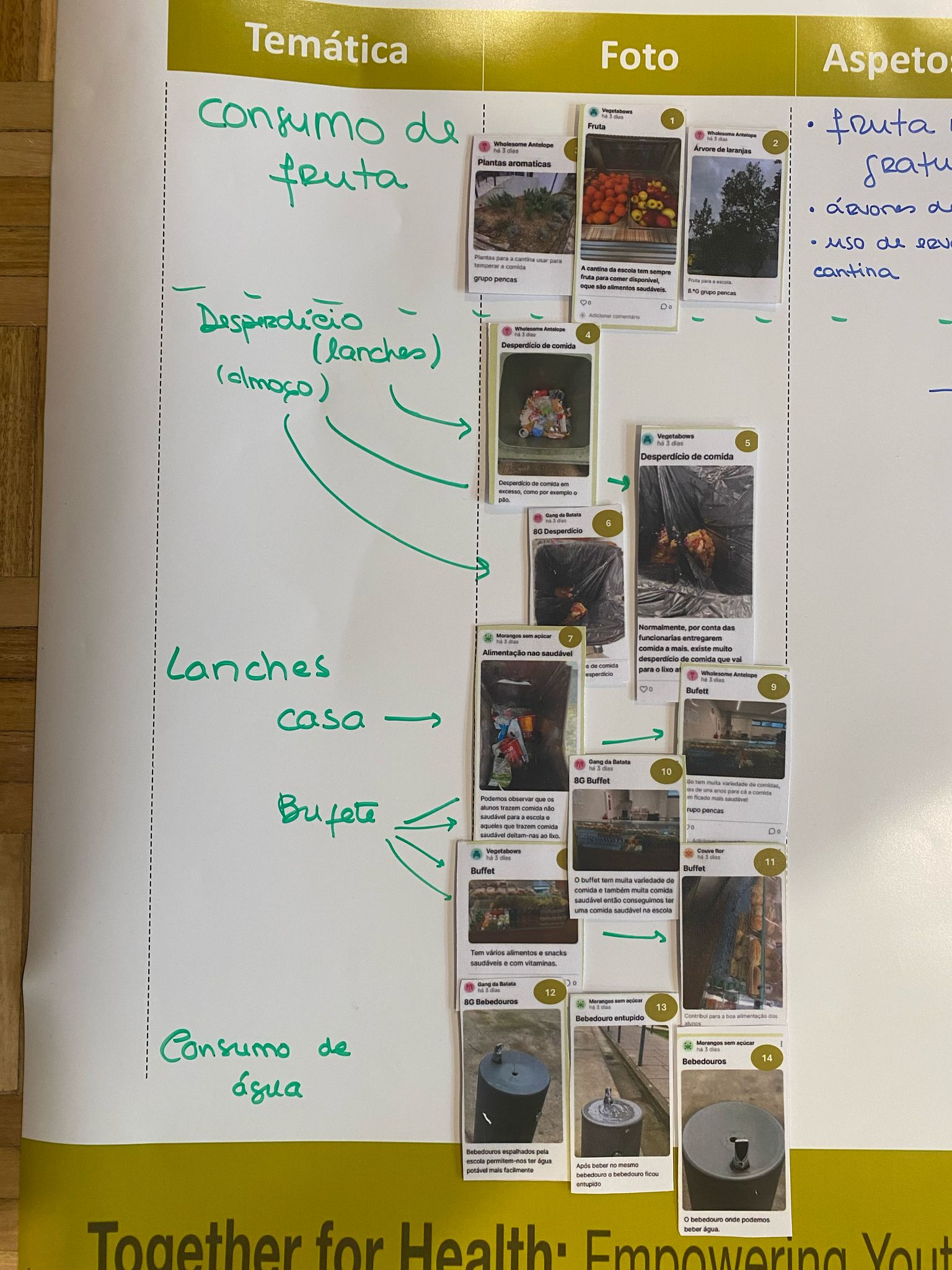
The presentation began by highlighting the importance of Participatory Action Research methods and involving young people in the co-creation of interventions. Then, the main issues identified by the students themselves were shared, related to dietary habits and physical activity, as well as the causes and the strategies they suggested to improve these behaviours and promote health equity.
Giving visibility to this work is essential to inspire positive changes in schools and in the health of young people!
Institute of Public Health, Marjolijn Vos, Bent Egberg Mikkelsen,Department of Geosciences and Natural Resource Management, University of Copenhagen, Mukti R. Chapagain, Subash Rana, Sarah Warkentin, Sandra Andrusaityte, Catarina Carvalho, Maria Paula Maia Santos, ISPUP | Instituto de Saúde Pública da Universidade do Porto!
COOPERATION is at the heart of CONNECTION’s innovative approach to tackling public health challenges, social issues, diet and physical activities. It represents a shift in how we design and implement solutions by putting young people in the lead. Instead of traditional top-down approaches, young individuals actively shape interventions that align with their unique needs, preferences, and lifestyles, ensuring that the solutions are both practical and sustainable. But COOPERATION goes beyond individual behavior. It also focuses on transforming the social and physical environments that contribute to unhealthy or undesirable behaviors. By changing these environments, COOPERATION creates conditions where healthier choices are not just encouraged but become the new norm. This holistic strategy empowers young people to become agents of change in their communities, fostering healthier habits, relationships, and spaces for everyone. In partnership with organizations, governments, and local communities, COOPERATION brings together a diverse range of stakeholders to support the design and implementation of these youth-led interventions. Together, we aim to create lasting change, making healthy behavior not just accessible but the default option for future generations. At CONNECTION, we aim to transform the health and wellbeing of young people through a novel, youth-centered approach. Our initiative focuses on empowering youth to lead the way in creating sustainable changes to improve physical activity and dietary behavior, ultimately helping to prevent diseases and improve overall health outcomes. Key elements of our approach include: Youth-Led System Change: We take an innovative approach by placing young people at the forefront of designing and implementing interventions that directly affect them. This ensures that solutions are tailored to their needs and lifestyles. Reducing Health Inequalities: A key focus of our project is engaging youth from disadvantaged areas to address and reduce health inequalities. By including underrepresented voices, we aim to create inclusive interventions that benefit all. Collaborative Design with Stakeholders: Young people work closely with adult stakeholders—such as policymakers, educators, and health professionals—when designing interventions. This collaboration ensures that everyone’s perspectives are considered, supporting sustainable, community-wide solutions. Evidence-Based Interventions: Our interventions are not just based on creative ideas but are grounded in a solid scientific evidence-base. By combining youth insights with proven strategies, we ensure that the initiatives are effective and impactful. International Scope: Our project spans five countries—Belgium, Denmark, Latvia, Lithuania, and Portugal—bringing together diverse perspectives and experiences in a shared mission to create healthier environments for young people across Europe. Through these efforts, CONNECTION is making a significant contribution to creating healthier, more equitable futures for youth.
This text briefly introduces your service to your visitors.
Use this section to describe the service you offer. You could share your company’s story and details about why you are in business. The goal is to create a connection with the client. Ipsum dolor sit amet consectetur adipiscing. Magna sit amet purus gravida quis. Praesent tristique magna sit amet purus. Turpis nunc eget lorem dolor sed. Dui id ornare arcu odio ut.